
Guide / examples
Inventory system examples — from the website to the warehouse
Three businesses, one shared pattern: a distributor, a manufacturer, a trade supplier — each running the same record differently. What their days look like, and what to copy from vendor websites.
The key facts
- The same record, three costumes: a distributor (goods in, mixed orders out), a manufacturer (materials through recipes to batches), a trade supplier (repeat orders through portals).
- What to copy from vendor websites: honest screenshots, public pricing, stated boundaries — the tells of a vendor worth trialling.
- What not to copy: feature-grid comparisons and testimonial theatre; neither survives contact with your warehouse.
- BSimple appears in all three examples — wholesale, manufacturing, trade supply is its home ground ($180/mo AUD up, trial).
- Where it fits: this page is one branch of the inventory management guide.
- 01The key facts
- 02Example 1: the wholesale distributor
- 03Example 2: the manufacturer
- 04Example 3: the trade supplier
- 05What to copy from vendor websites — and what to skip
Example 1: the wholesale distributor
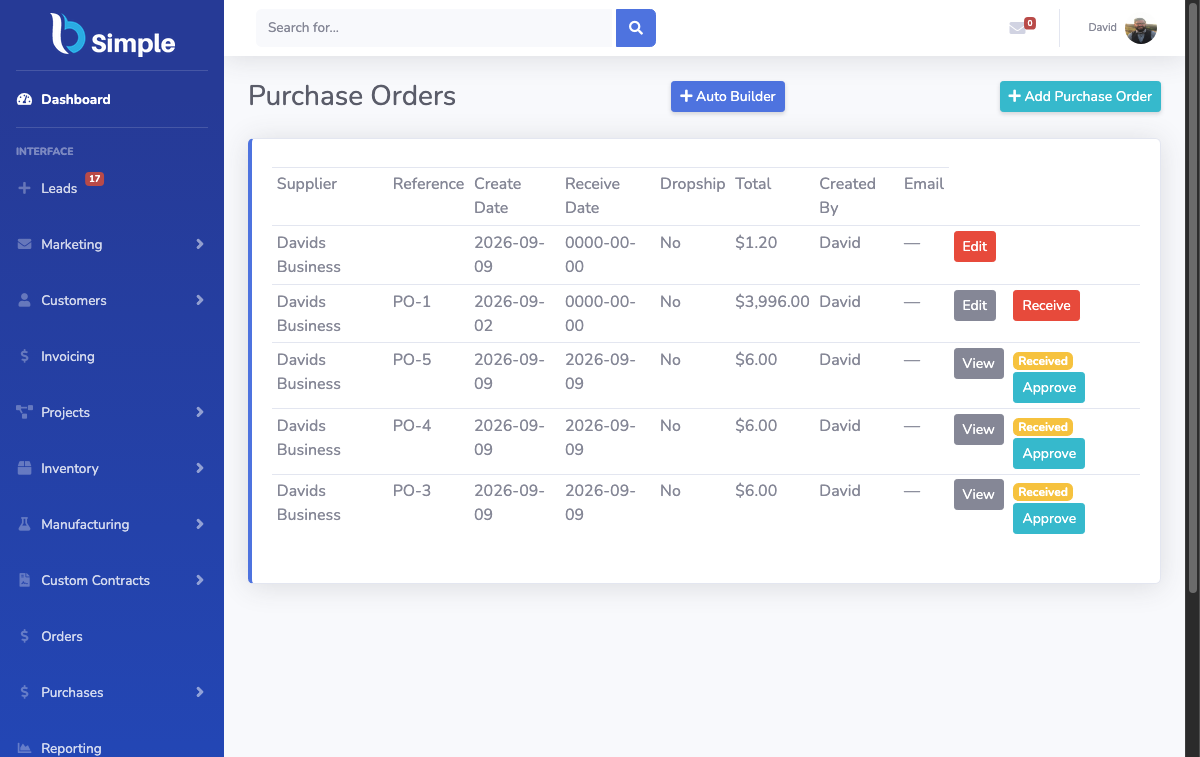
Goods arrive in bulk from suppliers, leave as mixed customer orders. The system's day: receipts update quantities per location and lot; customer orders — many through their own portals — check against live stock; picking and packing produce the dispatch paperwork; approved invoices push to the books. The failure it prevents: selling the same pallet twice, or discovering at packing that the order was never really in stock. The wholesale pattern is the fuller story.
Example 2: the manufacturer
The record stretches across transformation: raw materials issued against a recipe, production runs with shortage checks before the work starts, finished batches created with use-by dates and traceable back to input lots. A customer complaint becomes a trace query — which batch, which lots, which customers — answered in minutes. Recipes version, so the batch made in March is explainable in September. The manufacturing pattern and the BOM mechanics cover this example in depth; BSimple's production core was built for it.
Example 3: the trade supplier
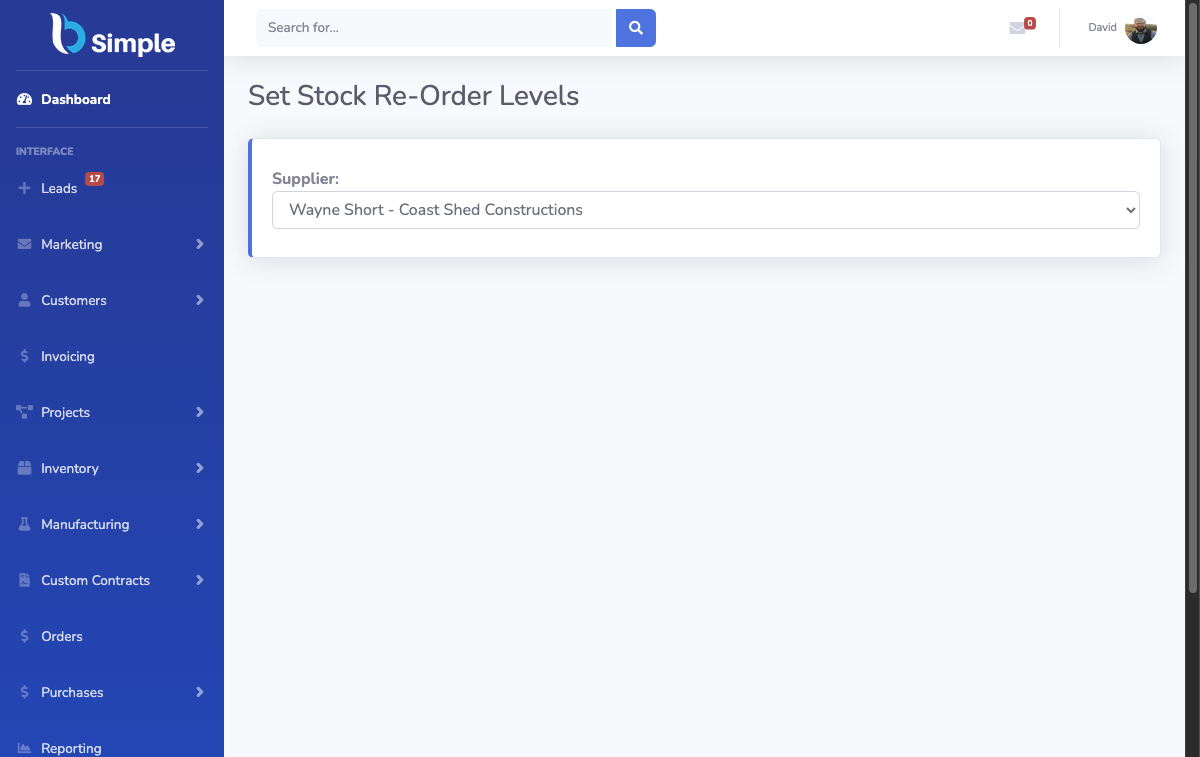
The same customers order the same lines at the same prices, weekly. The system's job: per-customer product lists and pricing behind a unique portal link; orders landing checked against live stock; restocking signals from reorder levels rather than memory. The trade supplier's margin lives in removing friction from repeat orders — which is why the portal is usually the fastest win of the three examples. The hardware-shop case walks it.
What to copy from vendor websites — and what to skip
Copy the discipline, not the promises: honest screenshots (real captures with real captions, as this site uses), public pricing, and stated boundaries — what the product refuses to do. Those three tells separate vendors worth trialling from vendors worth ignoring.
Skip: feature-grid comparisons (every product wins the grid its vendor paid for), testimonial theatre, and screenshots of sample data — none of it survives contact with your warehouse. The system examples and the key-features checklist turn the copying into an evaluation, and the trial is how any example — including BSimple — gets tested on your products in an afternoon.

Frequently Asked Questions
What are some examples of inventory management systems?
The three above — a distributor keeping mixed-order promises true, a manufacturer tracing batches through recipes, a trade supplier automating repeat orders. Different industries, one shared record pattern: movements, states, counts.
Which example matches a small business best?
The distributor pattern at small scale: one store, one van, repeat customers. It exercises all four jobs — know, buy, sell, count — without the production layer. The stage guide places your business on it.
What should a vendor's website show before we trial?
Real screenshots with honest captions, public pricing including plan differences, and stated limits. If a site hides pricing or claims everything, the trial will reveal why — better to notice first.
Is BSimple suitable for all three examples?
Yes — distribution, manufacturing and trade supply are its designed ground, which is why all three examples run on it here. The trial tests your own version of one of them before any commitment.
How do we turn examples into a decision?
Pick the example closest to your business, list the moments that fail today, and run exactly those moments in a trial. The evaluation checklist structures the week.
BSimple