Inventory Management System Key Features for Manufacturing
Inventory Management System Key Features helps Australian wholesalers and manufacturers manage inventory, orders, and purchasing. Xero integration, customer ...
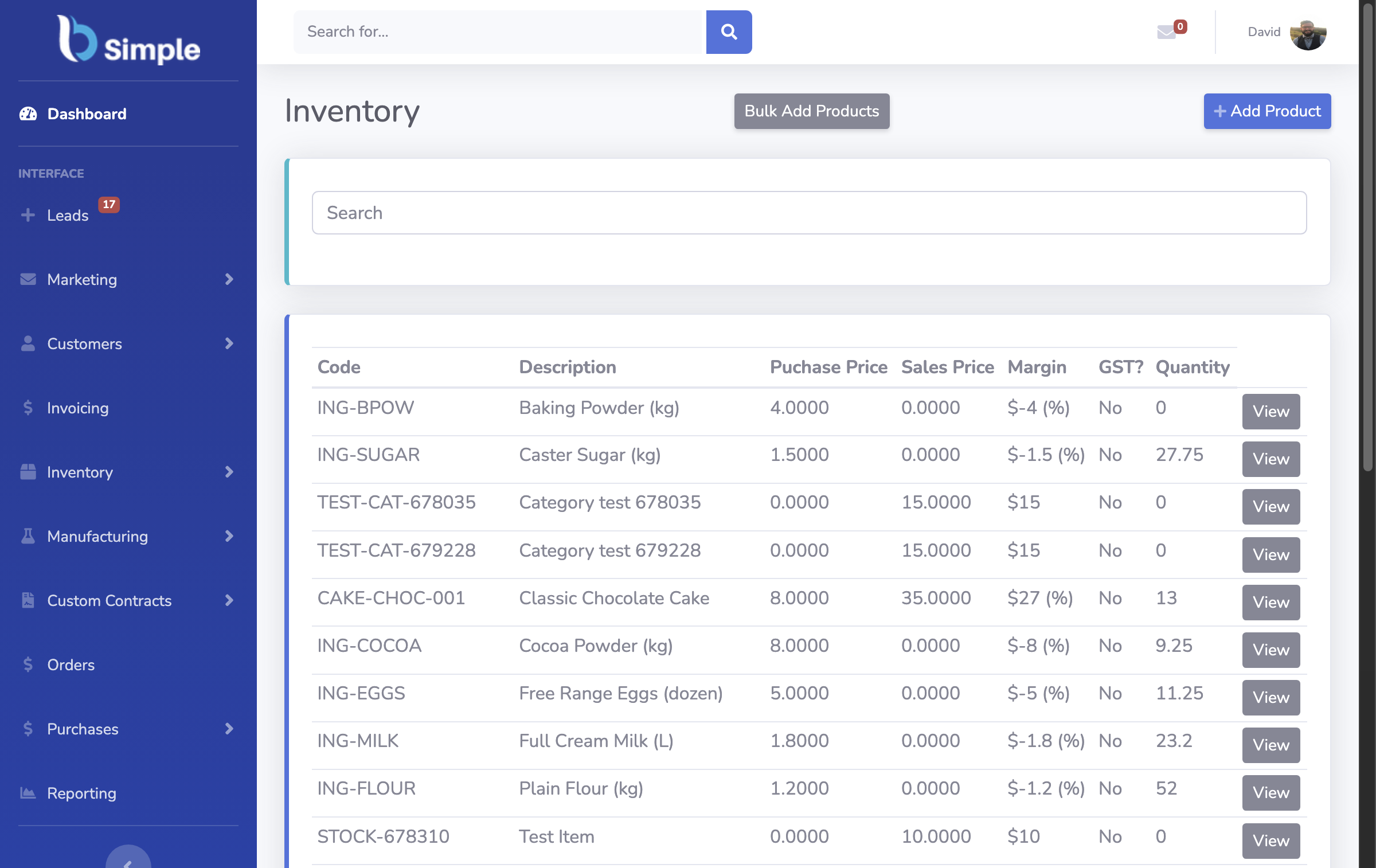
- Real-time inventory tracking across multiple locations with instant stock level visibility and automatic reorder point alerts
- Automated purchase order generation based on minimum stock levels, lead times, and demand forecasting patterns
- Customer ordering portal allowing 24/7 self-service ordering with real-time stock availability and order history
- Negative inventory tracking for just-in-time operations and urgent orders with transparent incoming stock management
- Streamlined stocktake management supporting continuous counting, EOFY compliance, and discrepancy investigation
- Seamless Xero integration linking inventory movements directly to general ledger and financial reporting
- Multi-location stock movement and transfer management with comprehensive audit trails and supplier tracking
Welcome to our guide on inventory management system key features — see also our Inventory Management Software for the full picture. If you're running a wholesale business, manufacturing operation, or distribution centre across Australia, you know that inventory management can make or break your bottom line. Getting stock levels right isn't just about avoiding stockouts; it's about freeing up cash, reducing waste, and keeping your customers happy. A proper inventory management system does all this heavy lifting for you, automating the tedious bits and giving you real-time visibility into what's actually happening in your warehouse. Whether you're a Sydney coffee roaster managing bean deliveries or a Melbourne brewery tracking ingredient stock, the right system transforms how you operate. BSimple has been built specifically for Australian businesses like yours, with features that actually address the real challenges you face daily. From tracking negative inventory to managing just-in-time stock levels, a modern inventory system takes the guesswork out of ordering and stocktaking. In this guide, we'll walk through the essential features that separate a good inventory system from one that'll frustrate you and your team. You'll learn what to look for, why it matters, and how it all connects to your bottom line.
Why the Right Inventory System Matters for Your Business
Real-time inventory tracking is the foundation of any worthwhile inventory management system. When you can see exactly what stock you have across multiple locations, you're making decisions based on facts, not hunches. This matters enormously for Australian businesses operating across different states or managing multiple warehouses. BSimple's real-time tracking means you know instantly when stock drops below reorder points, eliminating the panic of unexpected stockouts. For manufacturers, this visibility extends to raw materials, work-in-progress items, and finished goods — all tracked in one place. The system automatically updates as goods arrive, are picked, or are manufactured, so your numbers are always current. This real-time visibility also prevents the classic problem of overselling — you can't promise stock to a customer that's already committed elsewhere. Distribution businesses particularly benefit from this feature, as they're juggling multiple supplier deliveries and customer orders simultaneously. When you integrate this with your accounting system, you get automatic cost tracking too. Every movement in inventory flows through to your general ledger, meaning your financial statements reflect reality. For EOFY stocktakes, this real-time data reduces the time and stress of physical counts, since your system records should match your physical stock within a small margin. Australian GST compliance also becomes simpler when you have accurate inventory records tied to your sales and purchase invoices.
Customer Ordering Portals: Simplifying How Your Clients Order
Customer ordering portals represent a significant shift in how you interact with your wholesale clients. Rather than fielding phone calls, emails, and spreadsheet orders, your customers log into a portal and place orders themselves. This sounds simple, but it's genuinely powerful. Your customers see real-time stock availability, so they're not ordering items you don't have. They place orders 24/7 on their schedule, not yours. The orders flow directly into your system, eliminating data entry errors and speeding up fulfillment. For wholesalers serving multiple retailers or small businesses, this portal becomes a competitive advantage. Your customers appreciate the convenience, and you reduce administrative overhead. The portal can be customised to show only the products relevant to each customer, simplifying their ordering experience. Pricing can be customer-specific too, so you're managing margins properly. When an order comes through the portal, it automatically triggers your fulfillment process — picking, packing, and dispatch. This integration means nothing falls through the cracks. The system also tracks order history, so customers can see what they've previously ordered and reorder with a click. For seasonal businesses or those with repeat orders, this is invaluable. You can even set up automated reordering for regular customers, further streamlining the process. The customer ordering portal also provides valuable data about what your customers are ordering, when, and in what quantities — intelligence you can use to optimise your own inventory and forecasting.
Negative Inventory Tracking: Managing Real-World Complexity
Negative inventory tracking might sound like a technical feature, but it solves a real problem that many Australian businesses face. Sometimes you need to dispatch stock before it physically arrives — perhaps a customer is urgent, or you're managing a just-in-time manufacturing process where components arrive as you're using them. Rather than your system blocking these transactions or forcing workarounds, negative inventory tracking allows it while flagging the situation. This is particularly relevant for manufacturing operations where you might commit to a customer order before raw materials are fully received. Your system shows the negative balance, making it clear that you're operating on incoming stock. This transparency is crucial for cash flow management and supplier coordination. You know exactly how much incoming stock you're depending on, so if a supplier delays, you catch it immediately. For distribution businesses managing tight inventory turns, negative inventory tracking prevents artificial delays that would frustrate your customers. The feature also integrates with your financial reporting, ensuring your balance sheet accurately reflects your true inventory position — including committed stock. When you're preparing for EOFY stocktakes or managing GST compliance, accurate negative inventory tracking prevents discrepancies. You can generate reports showing which items are in negative territory and why, supporting your management decisions. BSimple's approach to negative inventory is pragmatic: it acknowledges how real businesses actually operate rather than forcing you into rigid processes that don't match your workflow. This flexibility, combined with clear visibility, means you're managing risk properly without unnecessary constraints.
Stocktake Management: Making Physical Counts Less Painful
Stocktake management features transform what's traditionally been one of the most painful exercises in business — the physical inventory count. Rather than closing your business for a day, armed with clipboards and spreadsheets, modern stocktake management lets you count continuously or in scheduled sessions, with the system managing the complexity. You can count by location, product category, or supplier, depending on your operation. The system guides your team through the count process, reducing errors and speeding things up. When you've finished counting, the system compares physical stock to recorded stock and flags discrepancies. This is where you investigate: did something go missing, was there a data entry error, or is there a process issue to fix? For Australian businesses managing EOFY stocktakes — particularly important for GST compliance and tax reporting — this feature is genuinely valuable. You can schedule stocktakes during quieter periods and spread the workload across your team. The system generates reports showing variance by product, location, or category, helping you identify patterns. Maybe a particular product is consistently miscounted, suggesting a process issue. Maybe a location has higher shrinkage, suggesting security or handling problems. These insights let you improve your processes. Integration with Xero integration means your stocktake adjustments flow directly to your accounting records, keeping your financial statements accurate. For businesses with multiple locations, you can run stocktakes independently and consolidate the results. This flexibility means you're not disrupting operations while still maintaining accurate records. The stocktake history also provides an audit trail, important for compliance and internal controls. For a closer look at how these capabilities fit together, our warehouse management software guide ties it all together, and the guide to kenya walks through the practical details.
Frequently Asked Questions
What's the difference between a basic inventory system and a proper inventory management system?
A basic system tracks stock numbers; a proper system automates ordering, integrates with accounting, provides real-time visibility across locations, and generates insights about demand patterns. It saves time and prevents costly mistakes.
How does Xero integration help with inventory management?
Integration means inventory movements automatically update your general ledger, eliminating manual data entry. Your financial statements reflect true inventory value, and you're always GST-compliant. It's particularly valuable for EOFY reporting.
Can an inventory system handle multiple locations or warehouses?
Yes. Modern systems like BSimple track stock across multiple locations simultaneously, show you where stock is physically held, and help you move stock between locations efficiently. This is essential for distributed operations.
What's just-in-time inventory, and why does it matter?
Just-in-time means receiving stock just as you need it, minimising storage costs and capital tied up in inventory. Your system needs to manage this carefully, tracking incoming stock and automating reorders based on precise timing.
How does negative inventory tracking work, and when would I use it?
Negative inventory lets you dispatch stock before it physically arrives, useful for urgent orders or manufacturing processes. The system flags the negative balance, so you know you're depending on incoming stock and can manage supplier coordination.
How does a customer ordering portal reduce administrative work?
Customers place orders themselves 24/7, eliminating phone calls and emails. Orders flow directly into your system, reducing data entry errors and speeding up fulfillment. It's particularly valuable for wholesalers managing multiple retail customers.
What should I look for in a stocktake management feature?
Look for flexibility in how you count, clear discrepancy reporting, integration with your accounting system, and the ability to run stocktakes without disrupting operations. This is crucial for accurate EOFY reporting and compliance.