Complete Operations Management Software Examples Guide for Australian SMBs
- Real-time inventory tracking across multiple locations with negative inventory management for manufacturing operations
- Automated purchase order generation based on intelligent reorder points and supplier preferences
- Customer ordering portals enabling direct order placement with order history and account management
- Seamless Xero integration for automatic financial synchronisation and GST compliance reporting
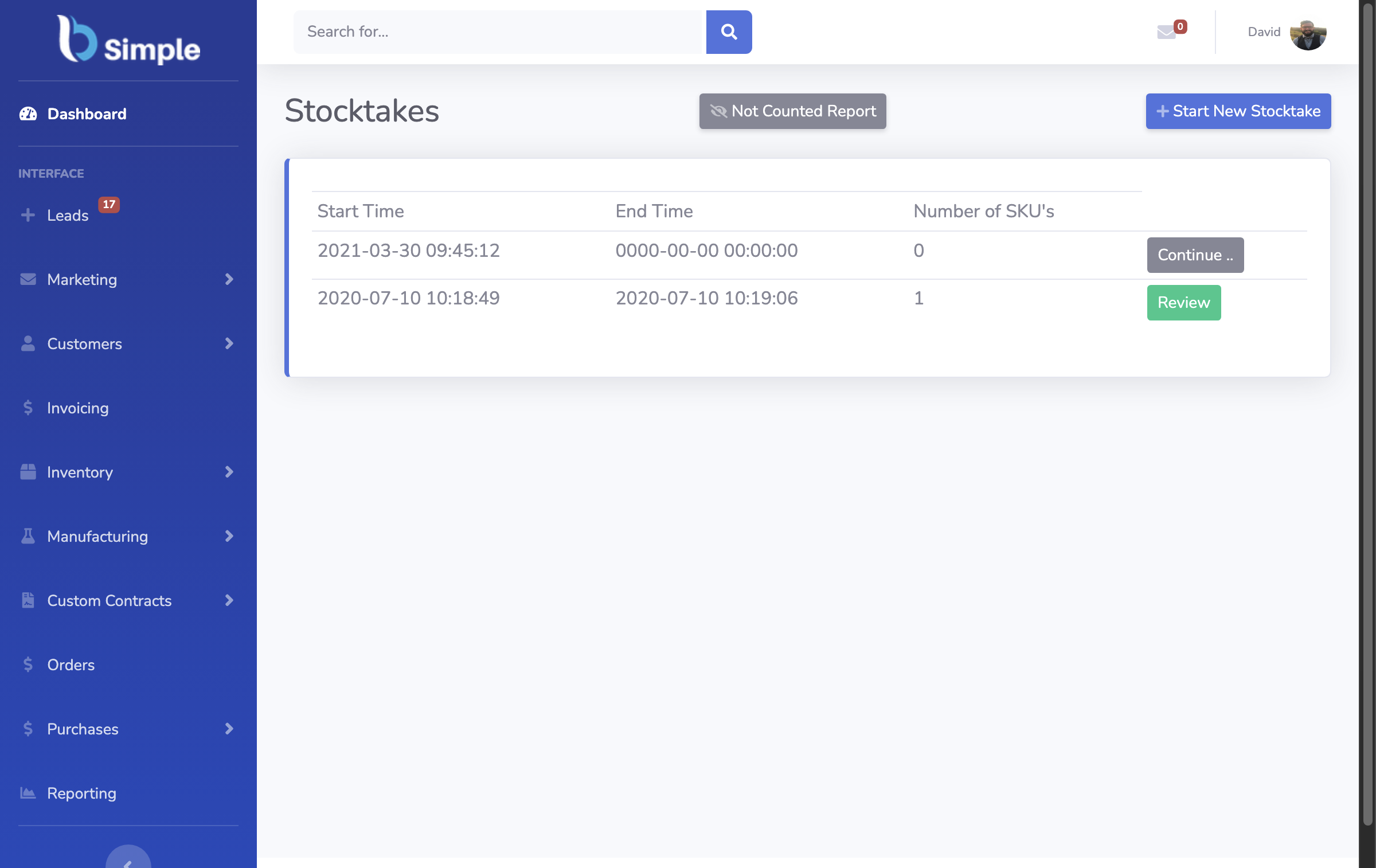
- Comprehensive stocktake management tools supporting EOFY procedures and inventory reconciliation
- Just-in-time inventory capabilities reducing capital tied up in excess stock while preventing stockouts
- Advanced reporting and analytics providing visibility into operational performance and business trends
Welcome to our comprehensive guide on operations management software examples — see also our Inventory Management Software for the full picture. If you’re running a wholesale, manufacturing, or distribution business across Australia, you’ve probably felt the pain of juggling multiple systems, manual spreadsheets, and disconnected processes. Operations management software exists to solve exactly this problem, bringing together inventory tracking, order management, supplier coordination, and financial reporting into one unified platform.
The challenge facing most Australian SMBs isn’t finding software options — it’s finding the right fit for your specific business model. A Melbourne brewery’s operational needs differ vastly from a Sydney coffee roaster’s requirements, yet both need visibility across stock levels, customer orders, and financial performance. That’s where understanding different operations management software examples becomes invaluable. Whether you’re managing just-in-time inventory for manufacturing, handling complex wholesale orders, or coordinating distribution across multiple locations, the right software can transform how your business operates.
BSimple specialises in helping Australian businesses streamline their operations through intelligent inventory and order management, seamlessly integrated with Xero. We’ve seen firsthand how businesses waste thousands of dollars annually through inefficient processes, stocktake errors, and disconnected systems. The good news? Modern operations management software has become far more accessible and affordable than enterprise solutions of the past. You don’t need a massive IT budget or months of implementation — you need practical tools that work with your existing systems and grow with your business.
Throughout this guide, we’ll explore real-world examples of operations management software, examine the features that actually matter for Australian businesses, and help you understand which solutions align with your operational challenges. We’ll focus on practical examples rather than generic comparisons, because your business deserves software that solves your specific problems, not a one-size-fits-all approach that requires workarounds.
Understanding Operations Management Software for Your Business
When we talk about operations management software examples, we’re really discussing tools that handle the backbone of your business: what you have in stock, what customers are ordering, what you need to purchase, and how all of this connects to your financial records. The landscape has shifted dramatically over the past five years, with cloud-based solutions now dominating the market. This shift matters for Australian businesses because cloud software means automatic updates, accessibility from anywhere, and seamless integration with other platforms you’re already using.
Let’s examine some practical categories of operations management software that Australian businesses commonly implement. First, there’s inventory management software that tracks stock levels across multiple locations, automates reorder points, and manages negative inventory situations — common challenges for manufacturing and wholesale operations. Second, order management systems that streamline how customer orders flow through your business, from initial request through to dispatch and invoicing. Third, procurement and supplier management tools that help you coordinate with your suppliers, manage purchase orders, and maintain optimal stock levels without tying up excessive capital.
A real-world example: imagine a Brisbane-based manufacturing business producing components for industrial clients. They’re managing 500+ SKUs across two warehouses, dealing with 50+ regular customers, and trying to maintain EOFY stocktake compliance. Without proper operations management software, they’re relying on spreadsheets, phone calls, and manual data entry. With integrated software like BSimple, they gain automated purchase order generation based on inventory levels, customer ordering portals where clients place orders directly, and real-time visibility into stock positions. The result? Fewer stocktake errors, faster order processing, and significantly reduced administrative overhead.
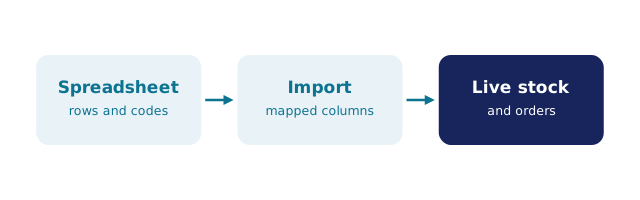
The key advantage of modern operations management software is integration capability. Most Australian businesses already use Xero for accounting and financial management. Software that integrates seamlessly with Xero — rather than requiring manual data transfer — eliminates duplication, reduces errors, and ensures your financial records always reflect your operational reality. This integration is particularly important for GST compliance and EOFY reporting, where accuracy is non-negotiable.
Real-World Operations Management Software Examples by Industry
Different business models require different operational priorities, and the best software examples reflect this reality. Let’s explore how various Australian business types benefit from tailored operations management approaches. For wholesale businesses, the critical focus is managing customer orders efficiently, maintaining optimal inventory levels, and coordinating with multiple suppliers. A wholesale distributor in Perth might handle 1,000+ orders monthly across 20+ customers, with inventory spread across multiple locations. Without proper systems, this becomes chaotic quickly. With the right operations management software, they gain automated order processing, intelligent inventory allocation, and supplier coordination that keeps everything running smoothly.
Manufacturing businesses face different challenges. You’re not just managing finished goods inventory — you’re coordinating raw materials, work-in-progress, and finished products simultaneously. You’re also managing production schedules, quality control, and customer delivery commitments. Operations management software for manufacturers needs to handle bill of materials, production planning, and raw material procurement. A Melbourne chocolate manufacturer, for instance, needs to track cocoa butter, sugar, and additives as raw materials, manage production batches, and ensure finished product availability for their wholesale customers. Just-in-time inventory principles become critical here — ordering raw materials precisely when needed to minimise storage costs while avoiding production delays.
Distribution businesses operate at the intersection of wholesale and retail, often managing hundreds of SKUs across multiple distribution centres. They need sophisticated operations management software that handles cross-dock operations, manages customer-specific pricing, and coordinates with both suppliers and end customers. A Sydney-based distributor might receive goods from 30+ suppliers, store them across three distribution centres, and ship to 100+ retail customers weekly. The complexity demands software that automates routine tasks and provides real-time visibility.
What unites all these examples is the need for order management software that connects seamlessly with inventory systems, supplier coordination, and financial reporting. The best operations management software examples demonstrate how these components work together, not in isolation. When your order system doesn’t talk to your inventory system, you end up overselling stock or creating customer service nightmares. When your inventory system doesn’t connect to your financial records, you lose visibility into profitability and working capital management.
Implementing Operations Management Software Successfully
Implementing operations management software is a significant decision for any Australian business, and understanding what success looks like helps you evaluate options effectively. The best software examples demonstrate clear ROI through measurable improvements: reduced stocktake discrepancies, faster order processing times, improved cash flow through better inventory management, and fewer manual data entry errors. But beyond the metrics, successful operations management software transforms how your team works daily.
Consider a practical implementation scenario: a Melbourne-based wholesale food distributor was managing orders through email and phone calls, maintaining inventory in multiple spreadsheets, and manually entering data into Xero at month-end. This created delays, errors, and frustrated customers waiting for order confirmation. After implementing integrated operations management software, they gained automated order processing through a customer ordering portal, real-time inventory visibility, and automatic Xero integration. The results included 40% faster order processing, 95% reduction in manual data entry errors, and significantly improved cash flow through better inventory management. Their team could focus on customer relationships and business growth rather than administrative tasks.
The implementation process matters significantly. The best operations management software examples show how businesses transition smoothly from legacy systems without disrupting operations. This means phased rollouts, comprehensive training, and ongoing support. Australian businesses particularly value software providers who understand local compliance requirements — GST reporting, EOFY stocktake procedures, and Australian tax obligations. When you’re evaluating operations management software, ask how they handle these specifics rather than assuming they’ll work the same way as international software.
Another critical aspect is scalability. Your operations management software should grow with your business without requiring a complete replacement. A small manufacturing startup might start with basic inventory tracking and customer ordering, then add supplier management, production planning, and advanced reporting as they grow. The best examples of operations management software demonstrate this scalability — you’re not forced to choose between starter solutions that you’ll outgrow and enterprise solutions that are overkill for your current needs. Look for stocktake management software that handles your current volume while providing room for expansion. Australian businesses appreciate software that respects their budget constraints while delivering genuine operational improvements, not solutions that require massive upfront investment before delivering any value.
Frequently Asked Questions
What exactly does operations management software do?
Operations management software integrates inventory tracking, order processing, supplier coordination, and financial reporting into one unified system. It automates routine tasks, provides real-time visibility into your business operations, and ensures data consistency across all departments, eliminating manual spreadsheets and disconnected systems.
How does operations management software improve cash flow?
Better inventory management through automated reorder points prevents overstocking (tying up capital) and stockouts (losing sales). Real-time visibility helps you understand working capital requirements, while faster order processing and automated invoicing accelerates cash collection from customers.
Can operations management software integrate with Xero?
Yes, modern operations management software like BSimple integrates seamlessly with Xero, automatically syncing inventory data, customer information, and financial transactions. This eliminates manual data entry, reduces errors, and ensures your accounting records always reflect operational reality.
What are the key features to look for in operations management software?
Essential features include inventory tracking across multiple locations, automated purchase order generation, customer ordering portals, real-time stock visibility, supplier management, just-in-time inventory capabilities, negative inventory tracking, and comprehensive reporting. Integration with your existing systems is equally important.
How long does it typically take to implement operations management software?
Implementation timelines vary based on complexity and data migration requirements. Many cloud-based solutions like BSimple can be operational within 2-4 weeks for basic functionality, with phased rollouts allowing gradual adoption of advanced features without disrupting your business.
Is operations management software suitable for small Australian businesses?
Absolutely. Cloud-based operations management software has become increasingly accessible and affordable for SMBs. You don’t need enterprise budgets or IT teams — modern solutions are designed for businesses of all sizes and scale with your growth.
How does operations management software handle GST compliance and EOFY reporting?
Quality operations management software designed for Australian businesses includes built-in support for GST compliance and EOFY stocktake procedures. It maintains audit trails, generates compliance reports, and integrates with Xero to ensure your financial records meet Australian tax office requirements.