
Guide / BSimple
Inventory Management System Home Page with Xero
Rather than hunting through multiple screens or spreadsheets, you see the metrics that matter most: current stock levels across all locations, orders awaiting fulfillment, purchase orders in transit, and inventory tha…
- Real-time stock level visibility across all warehouse locations and distribution centres
- Automated purchase order generation when inventory reaches reorder points
- Seamless Xero integration eliminating manual data entry and accounting errors
- Negative inventory tracking and alerts for oversold items
- Customer ordering portal integration showing live demand and pending fulfillment
- Customisable dashboard displaying metrics most relevant to your business
- Stocktake management tools for EOFY reconciliation and GST compliance
Welcome to your guide on inventory management system home page — see also our Inventory Management Software for the full picture. An effective inventory management system home page serves as the command centre for your entire supply chain operation. For Australian wholesalers, manufacturers, and distributors, having a centralised dashboard that displays real-time stock levels, pending orders, and supplier information isn't just convenient—it's essential for staying competitive. BSimple's inventory management system home page brings everything you need into one intuitive interface, eliminating the chaos of spreadsheets and disconnected systems. Whether you're managing stock across multiple warehouses in Sydney, coordinating manufacturing schedules in Melbourne, or running a distribution network across regional Australia, a well-designed home page gives you instant visibility into what's happening in your business right now. The home page acts as your first point of contact when you log in, showing you critical metrics, upcoming tasks, and potential issues before they become problems. This means fewer stockouts, better cash flow management, and the ability to make informed decisions quickly. For businesses integrated with Xero, your inventory data syncs seamlessly with your accounting records, eliminating manual data entry and reducing errors. A modern inventory management system home page isn't just about displaying numbers—it's about giving you actionable insights that drive your business forward.
- 01Your Command Centre for Complete Inventory Control
- 02Multi-Location Inventory Tracking Made Simple
- 03Automated Purchasing and Supplier Management
- 04Customer Orders and Demand Visibility
Your Command Centre for Complete Inventory Control
When you first log into BSimple's inventory management system, your home page instantly gives you a bird's-eye view of your operation. Rather than hunting through multiple screens or spreadsheets, you see the metrics that matter most: current stock levels across all locations, orders awaiting fulfillment, purchase orders in transit, and inventory that's running low. This dashboard approach saves time and reduces decision-making friction. For a Melbourne brewery managing grain supplies, hops inventory, and packaging materials across three locations, this visibility is invaluable. You can spot trends quickly—perhaps you're consistently running low on a particular ingredient, or you're holding excess stock that's tying up cash. The home page also displays your just-in-time inventory status, showing which items are approaching reorder points. This prevents the common problem of either running out of stock or over-ordering, both of which hurt profitability. Australian SMBs particularly benefit from this approach because you're often managing tight cash flows while maintaining service levels that keep customers happy. Your home page can be customised to show the specific metrics your business cares about most. A manufacturing operation might prioritise raw material availability and production schedules, while a wholesaler might focus on customer orders and supplier lead times. The flexibility means your team sees relevant information immediately, without wading through irrelevant data. Integration with customer ordering portals means your home page can also display incoming customer orders in real time, so you're never caught off guard by demand spikes.
Multi-Location Inventory Tracking Made Simple
One of the biggest pain points for Australian businesses is managing inventory across multiple locations without losing track of stock movements. Your inventory management system home page solves this by consolidating data from all your warehouses, storage facilities, and distribution centres into a single view. A Sydney coffee roaster with a main roastery and two retail locations can instantly see how much inventory sits in each location, making it easy to redistribute stock where demand is highest. This prevents the frustrating situation where one location is out of stock whilst another is overstocked. The home page also tracks negative inventory—those moments when you've sold more than you have in stock. Rather than hiding this problem, BSimple's system flags it immediately so you can communicate with customers honestly and take corrective action. For businesses managing EOFY stocktakes, your home page provides the foundation for accurate reconciliation. You can compare system records against physical counts, identify discrepancies, and make adjustments before finalising your books for tax purposes. This is particularly important for GST compliance, where accurate inventory records directly affect your tax position. The home page's reporting capabilities mean you can generate stocktake reports by location, by product category, or by supplier, giving you flexibility in how you conduct your physical counts. Many Australian businesses struggle with the administrative burden of stocktakes, but when your system home page is organised and up-to-date, the actual physical count becomes much faster and more accurate. You're not scrambling to figure out what you should have—you know exactly what the system says you should have, and you're simply verifying it. This stocktake management approach saves countless hours and reduces errors that could affect your financial reporting.
Automated Purchasing and Supplier Management
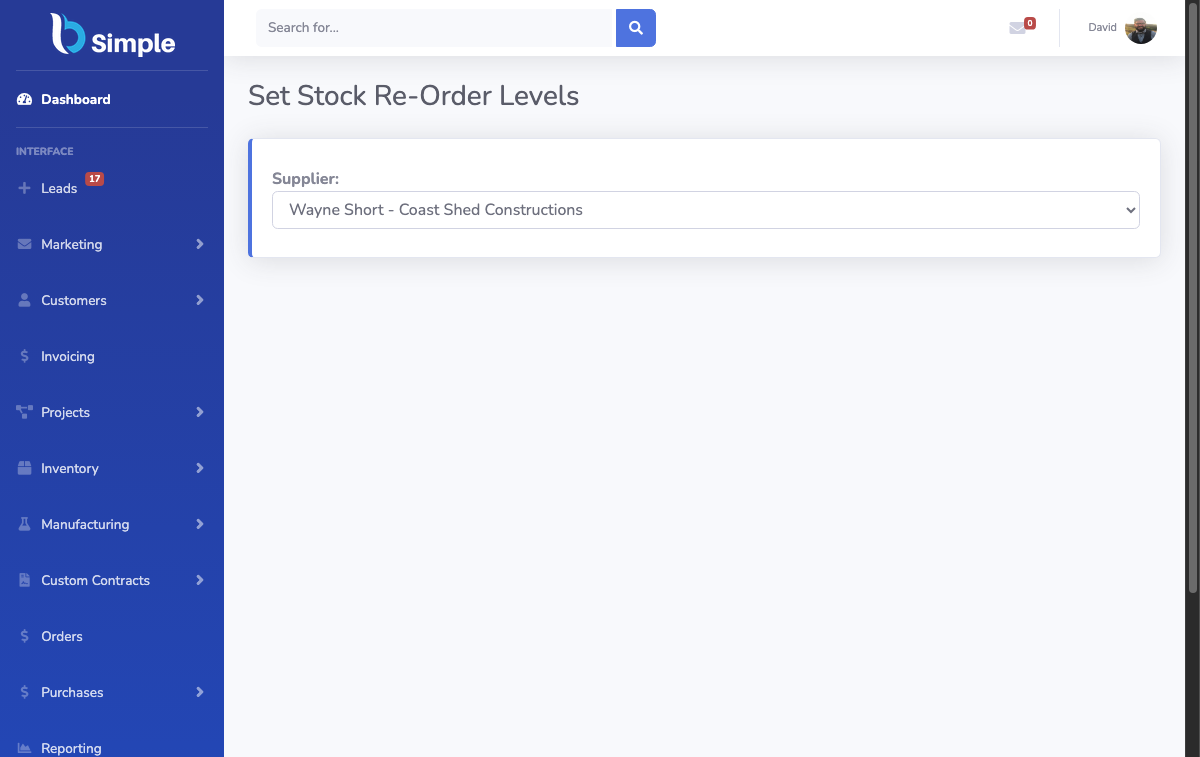
Automated purchasing is where your inventory management system home page really starts earning its keep. Rather than manually reviewing stock levels and creating purchase orders, BSimple's system can automatically generate POs when inventory drops below your reorder points. Your home page displays these pending purchase orders, showing you exactly what's coming in and when it's expected to arrive. This automated purchase order generation feature transforms how wholesalers and manufacturers manage supplier relationships. Instead of reactive ordering—scrambling when you realise you're out of stock—you're operating proactively, maintaining optimal inventory levels at all times. For a manufacturing operation in Brisbane, this might mean raw materials arrive just as you need them, without the storage costs of over-ordering. The home page also tracks supplier performance metrics: which suppliers deliver on time, which ones have quality issues, and which ones offer the best pricing. Over time, this data helps you optimise your supplier network, potentially saving significant money. Your home page integrates directly with Xero, so when you create a PO through BSimple, it automatically appears in your accounting system. This eliminates the double-entry problem that plagues many Australian businesses, where someone has to manually enter the same information into both systems. The result is faster reconciliation, fewer errors, and cleaner financial records. For businesses managing cash flow carefully—which includes most Australian SMBs—seeing your committed purchases alongside your current cash position helps you make better decisions about when to order and how much to order. You're not just managing inventory; you're managing cash flow through intelligent inventory decisions.
Customer Orders and Demand Visibility
Customer ordering portals connected to your inventory management system home page create a seamless experience for your clients whilst giving you complete visibility into demand. When customers place orders through your portal, that demand immediately appears on your home page, triggering inventory adjustments and potentially generating purchase orders if needed. This real-time visibility means you're never surprised by customer orders, and you can commit to delivery dates with confidence. For Australian distributors serving retail customers across multiple states, this capability is transformative. Rather than managing orders through email, phone calls, and spreadsheets, everything flows through your system. Your home page shows you pending customer orders, fulfilled orders, and orders awaiting payment—giving you complete visibility into your sales pipeline. The system also tracks customer ordering patterns, showing you which products are most popular with which customer segments. This intelligence helps you stock more intelligently, reducing the risk of being caught short on bestsellers. Integration between your customer portal and your order management software means your home page becomes a command centre for fulfillment operations. Your warehouse team can see incoming orders, prioritise them by delivery date, and update customers automatically as orders progress through fulfillment. For businesses managing seasonal demand—common in Australian agriculture, retail, and manufacturing—your home page helps you anticipate busy periods and prepare accordingly. You can analyse historical ordering patterns to forecast demand, adjust supplier orders in advance, and ensure you have sufficient warehouse capacity. This proactive approach prevents the costly scramble of emergency orders and expedited shipping that damages margins. Your home page becomes the single source of truth for your entire operation, connecting customers, suppliers, inventory, and accounting into one coherent system.

Frequently Asked Questions
What information should appear on my inventory management system home page?
Your home page should display current stock levels by location, pending customer orders, purchase orders in transit, low-stock alerts, reorder point status, supplier performance metrics, and key financial indicators like inventory value and cash tied up in stock. Customise it to show metrics most relevant to your business.
How does Xero integration improve my home page experience?
Xero integration means your inventory data syncs automatically with your accounting records. Purchase orders, customer invoices, and stock adjustments flow seamlessly between systems, eliminating manual data entry, reducing errors, and keeping your financial records accurate without extra work.
Can I track inventory across multiple warehouse locations from one home page?
Yes. BSimple's home page consolidates inventory data from all your locations into a single view. You can see stock levels by location, identify where items are stored, and redistribute stock between warehouses to meet customer demand efficiently.
How does the home page help with EOFY stocktakes?
Your home page provides accurate system records showing what inventory you should have. During stocktakes, you compare physical counts against these records, identify discrepancies quickly, and make adjustments before finalising your books for tax purposes and GST compliance.
What are negative inventory alerts and why do they matter?
Negative inventory occurs when you've sold more stock than you physically have. BSimple flags this immediately on your home page, allowing you to communicate honestly with customers, investigate the discrepancy, and take corrective action before it becomes a bigger problem.
Can the home page automatically generate purchase orders?
Yes. BSimple can automatically generate purchase orders when inventory drops below your reorder points. Your home page displays pending POs, showing what's coming in and when it's expected, so you maintain optimal stock levels without manual intervention.
How does a customer ordering portal connect to my home page?
When customers place orders through your portal, they immediately appear on your home page, triggering inventory adjustments and purchase orders if needed. This real-time visibility ensures you never miss customer demand and can commit to accurate delivery dates.
BSimple