Order Management Software for Wholesale Built for Growing Teams
- Centralised order management from customer inquiry through delivery and invoicing
- Customer self-service portal for order placement, status tracking, and repeat ordering
- Automated purchase order generation based on inventory levels and supplier lead times
- Seamless Xero integration for automatic accounting entry and GST compliance
- Real-time inventory visibility across multiple warehouse locations
- Negative inventory tracking for pre-orders and backorder management
- Comprehensive stocktake management tools for EOFY and regular inventory counts
Order management software is essential for any growing wholesale, manufacturing, or distribution business — see also our Inventory Management Software for the full picture of how these systems work together. If you’re managing orders manually through spreadsheets, email threads, and fragmented systems, you’re losing time, money, and visibility into what’s actually happening across your business. A proper order management solution streamlines the entire process from customer inquiry through to delivery and invoice, giving you real-time control over your operations.
For Australian wholesalers and manufacturers, the challenge is real. You’re juggling multiple customer orders, managing stock levels, coordinating with suppliers, and trying to keep everything synced with your accounting system. A Sydney coffee roaster might be managing orders from dozens of cafés across the city, while a Melbourne brewery is coordinating bulk shipments across several states. Without solid order management software, these businesses are drowning in manual data entry, order errors, and delayed shipments. BSimple was built specifically to solve these problems for growing Australian teams who need something that actually works — not an overcomplicated enterprise system that requires a dedicated IT person to operate.
Streamline Your Entire Order Lifecycle Efficiently
The real pain point for most wholesale and manufacturing businesses isn’t just taking orders — it’s managing the entire order lifecycle efficiently. When you’re operating without dedicated order management software, you’re typically dealing with orders scattered across email, phone calls, customer portals that don’t talk to your accounting system, and spreadsheets that are never quite up to date. This creates a cascade of problems: duplicate orders, missed stock availability checks, delayed fulfillment, and customers who don’t know when their order will arrive.
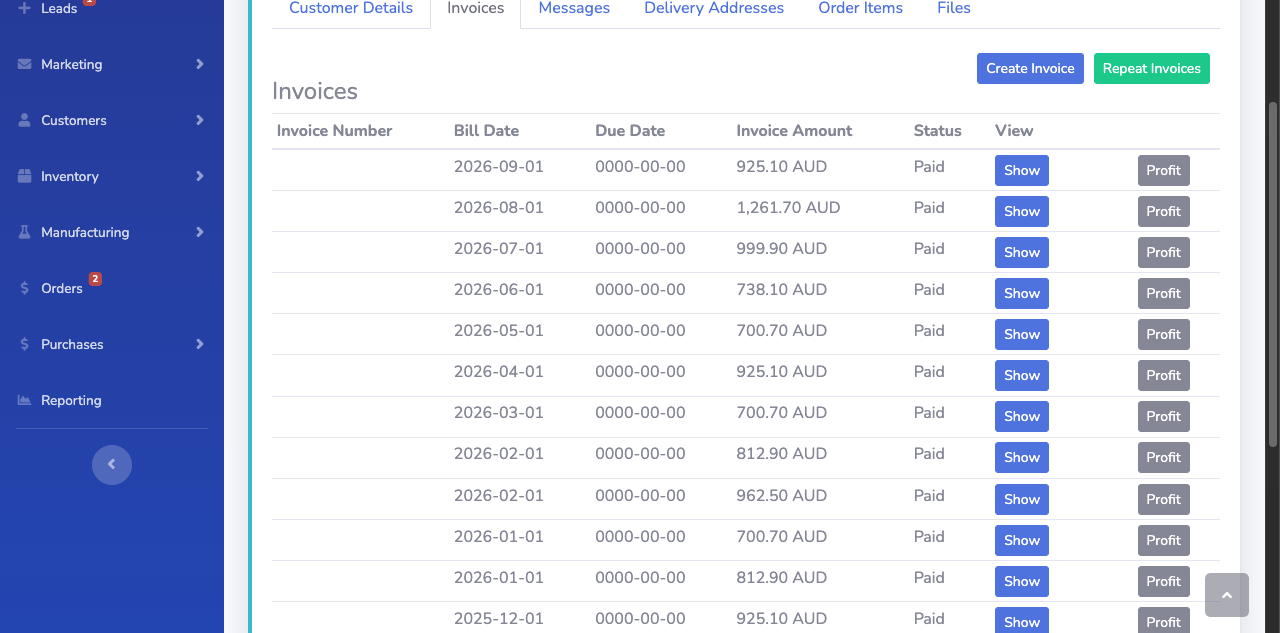
Order management software centralises everything. Every customer order, every purchase order to your suppliers, every shipment status — it’s all in one place. BSimple integrates seamlessly with Xero, which means your orders automatically flow into your accounting system without manual data entry. You’re not reconciling spreadsheets at month-end or trying to figure out which orders have been invoiced. The software handles it. For a manufacturing business producing custom components, this means you can track orders from quote through production to delivery. For a wholesaler distributing products across multiple locations, it means real-time visibility into stock levels and order status across your entire operation.
What makes a difference is automation. When a customer places an order, the system can automatically check stock availability, reserve inventory, generate a purchase order to your supplier if needed, and update your customer on delivery timeframes. No manual intervention required. This is particularly valuable during busy periods — think EOFY stocktakes or pre-Christmas rushes — when your team is stretched thin. The software keeps everything moving smoothly while your team focuses on customer relationships and strategic work rather than data entry.
Customer Portals That Reduce Support Burden
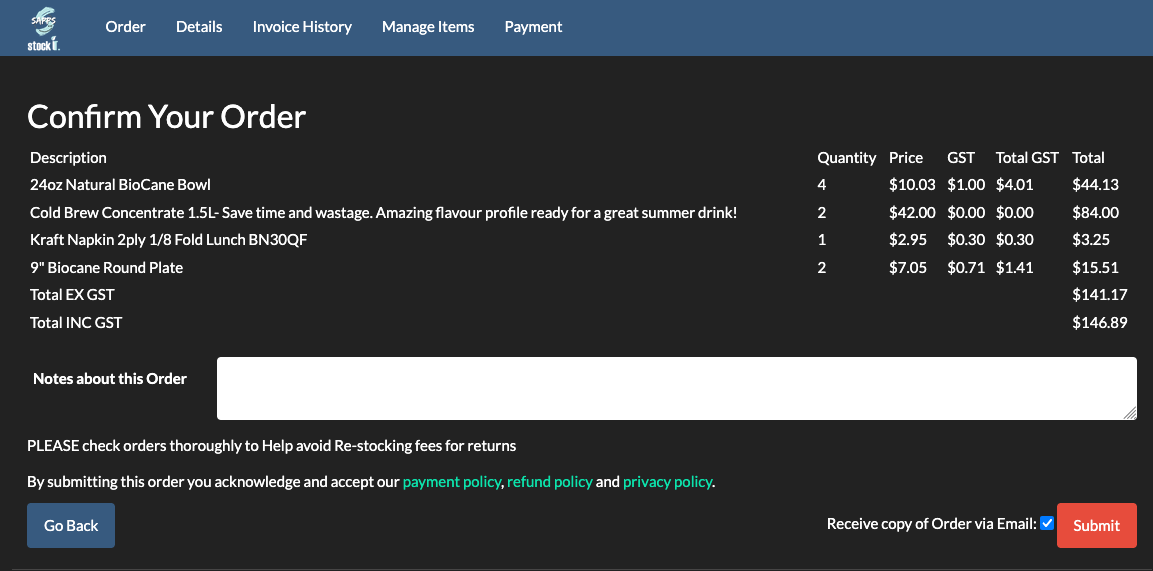
One of the biggest advantages of modern order management software is the customer portal. Instead of customers ringing you to check order status or place repeat orders, they can do it themselves through a self-service portal. This might sound like a small thing, but it fundamentally changes how your business operates. Your customers can place orders at 11pm on a Friday night, check their order history, see real-time stock availability, and track shipments — all without involving your team.
For Australian businesses, this is a game-changer. A wholesaler supplying small retailers across regional Australia can give their customers instant visibility into what’s in stock and when it will arrive. A manufacturing business can let their clients track custom orders through production stages. This reduces support requests, improves customer satisfaction, and gives your team back hours each week they’d normally spend answering status enquiries.
BSimple’s customer portal integrates with your entire order management system, so customers see real, accurate information. If you’ve got just-in-time inventory management running in the background, your customers see genuinely available stock. If an item is on backorder, they know that upfront. This transparency builds trust and reduces the awkward conversations about delayed orders. The portal also handles repeat orders intelligently — regular customers can reorder previous purchases with a few clicks, which speeds up their buying process and increases order frequency.
Automated Purchase Orders Based on Real Demand
Automated purchase order generation is where order management software really earns its keep. When you’re managing inventory manually, you’re constantly making decisions about when to reorder from suppliers. Order too early and you’re tying up cash in excess stock. Order too late and you’re scrambling to fulfill customer orders. The best order management systems automate this decision-making based on your inventory levels, supplier lead times, and customer demand patterns.
BSimple’s system generates purchase orders automatically when stock falls below your reorder points. You set the rules once — how much safety stock you want to maintain, your supplier lead times, your minimum order quantities — and the system handles the rest. For a wholesale business, this means you’re never caught short when a major customer places a large order. For a manufacturer, it means your raw materials arrive exactly when you need them for production runs. This is particularly important for businesses managing multiple suppliers or product lines. A Melbourne brewery managing hops, grains, bottles, and labels from different suppliers can’t manually track all these reorder points — the software does it automatically.
What’s clever is that the system accounts for orders already in the pipeline. It won’t generate a new purchase order if you’ve already got stock on the way from your supplier. It also considers your cash flow by spreading orders across time if you’ve set parameters around purchase frequency. This level of sophistication means you’re optimising both your inventory investment and your working capital. Combined with negative inventory tracking, you can even handle pre-orders and backorders intelligently, fulfilling customer demand even when stock is temporarily unavailable.
Seamless Xero Integration for Perfect Financial Accuracy
Integration with Xero is non-negotiable for Australian businesses managing GST and EOFY compliance. When your order management software is disconnected from your accounting system, you’re creating manual work and audit risk. Every order needs to be recorded in Xero, GST needs to be calculated correctly, and your financial records need to match your operational reality. When these systems don’t talk to each other, something always falls through the cracks.
BSimple’s Xero integration means every order automatically flows into your accounting system with correct GST treatment, tax codes, and customer records. When you issue an invoice through order management, it’s already recorded in Xero. When you receive a supplier invoice for a purchase order, it matches automatically. This eliminates the reconciliation nightmare at month-end and makes EOFY stocktakes significantly simpler. Your accounting records match your inventory records because they’re coming from the same system.
For Australian SMBs, this integration also means better financial visibility. You can see not just what you’ve ordered and sold, but the actual financial impact in real time. You know your gross margin by product, your cash conversion cycle, your supplier payment terms — all without manual spreadsheet work. This information helps you make better business decisions. Should you stock more of a particular product? Is a supplier taking too long to deliver? Are certain customer segments more profitable? Your order management and accounting data combined gives you these insights instantly. This is particularly valuable when you’re scaling — as you grow from a handful of orders per week to dozens per day, the manual processes that worked before simply don’t scale. Order management software built for growing teams handles that growth seamlessly.
Frequently Asked Questions
What’s the difference between order management and inventory management software?
Order management focuses on the customer order lifecycle — taking orders, tracking them, fulfilling them, and invoicing. Inventory management tracks stock levels, reorder points, and stocktake processes. They’re complementary; BSimple handles both integrated together so your orders and inventory stay perfectly synced.
Can BSimple handle multiple warehouse locations?
Yes. BSimple tracks inventory across multiple locations and can route orders to the nearest warehouse or specific location based on your rules. This is essential for wholesalers and distributors operating across multiple states or regions.
How does BSimple handle customer orders from different channels?
BSimple centralises orders from multiple sources — your customer portal, email, phone, even marketplace integrations. Everything flows into one system so you’re not juggling orders across different platforms. This is critical for growing Australian businesses selling through multiple channels.
Does BSimple support partial shipments and backorders?
Absolutely. The system handles partial shipments when you don’t have complete stock, and manages backorders intelligently. Customers are notified of delivery timeframes, and you can track what’s outstanding. This is essential for businesses that can’t always fulfill orders completely upfront.
How does order management software improve cash flow?
By automating purchase orders based on actual demand rather than guesswork, you reduce excess inventory sitting on shelves. By integrating with Xero, you get faster invoicing and better visibility into receivables. You’re optimising working capital throughout your entire operation.
Is BSimple suitable for small wholesale businesses just starting out?
Yes. BSimple scales from small operations managing dozens of orders weekly to large distributors managing thousands. You start with the features you need and add more as you grow. There’s no need to overinvest in software before you’re ready.
How does negative inventory tracking work in BSimple?
Negative inventory tracking allows you to accept customer orders even when stock is temporarily unavailable, then fulfil them when new stock arrives. This is valuable for pre-orders and backorders, letting you capture customer demand without turning business away.