
Automated Purchase Orders
Automated purchase orders take the judgement and the manual typing out of reordering. Instead of someone scanning a shelf and asking "should we buy more of these?", the software watches your stock levels, works out what you're selling, and tells you exactly what to reorder and how many — based on rules you set, not on memory.
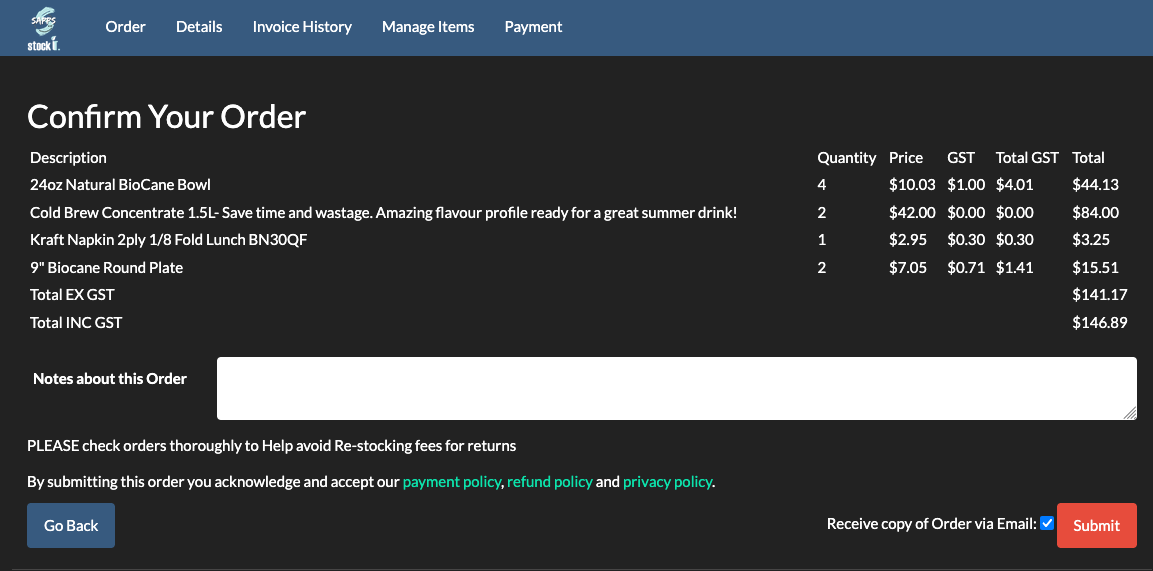
Three ingredients drive a good automated reorder: reorder points, lead times, and demand. A reorder point is the level at which you've got just enough stock left to cover the weeks it takes for new stock to arrive. Lead time is how long delivery actually takes from the supplier, and demand is how fast the product actually moves. When software combines those three, it can flag or create a purchase order at exactly the right moment — neither hoarding cash in surplus stock nor scraping the bin for a sale you can't fulfil.
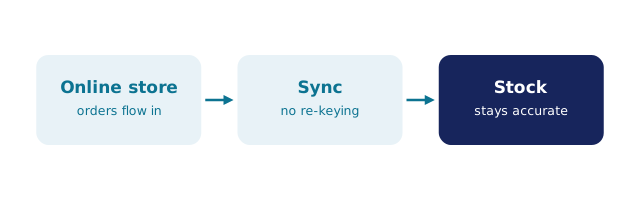
The practical payoff shows up in a few places. You stop chasing the exception — the customer waiting on something you didn't reorder in time. Your buying becomes steady and repeatable, especially when recurring order cycles for the same supplier lines are handled automatically. And because orders are generated from what is actually selling, you buy the quantities the business genuinely needs.
BSimple handles automated purchase orders from the reorder point to the supplier order. It keeps track of who supplies each item and how long delivery has been taking, so its suggestions are grounded in your reality. From there the workflow carries naturally into the purchasing management landscape of back ordering, receiving, and supplier management. When you combine the automation with the rest of the inventory management software toolkit, reordering stops being a weekly drama and becomes a quiet background routine — which is exactly what just-in-time style operations aim for with just-in-time inventory.
BSimple