Enterprise Management System Examples: Your Practical Guide
Practical guide to Enterprise Management System Examples for Australian businesses. Streamline operations with Xero integration, automated ordering, and real...
- Automated purchase order generation based on predefined reorder points and supplier lead times
- Customer self-service ordering portals with real-time stock availability and order tracking
- Seamless Xero integration for automatic financial record updates and GST compliance
- Real-time inventory visibility across multiple locations with stockout prevention alerts
- Negative inventory tracking to fulfil orders and automatically generate supplier POs
- EOFY-ready stocktake management with cycle counting and variance reconciliation
- Tiered customer pricing and order history tracking for wholesale and distribution businesses
Welcome to our practical guide on enterprise management system examples — see also our Order Management System for the full picture. If you're running a wholesale, manufacturing, or distribution business in Australia, you've probably heard the term "enterprise management system" thrown around plenty of times. But what does it actually mean, and more importantly, which examples are relevant to your operation?
An enterprise management system (EMS) is essentially software that helps you manage the core operations of your business — think inventory, orders, customer relationships, and financials. For Australian SMBs in wholesale and manufacturing, the right EMS can be the difference between chaos and control. Instead of juggling spreadsheets, manual orders, and disconnected systems, a proper EMS brings everything together in one place.
The challenge is that "enterprise management system" is a broad umbrella term. You've got massive ERP systems designed for Fortune 500 companies, and then you've got practical, purpose-built solutions designed specifically for businesses like yours. We're going to walk you through real examples that actually work for Australian wholesale, manufacturing, and distribution businesses — not theoretical enterprise solutions that cost a fortune and take two years to implement.
What makes a good EMS for your business? It needs to handle your inventory accurately, manage customer orders without stuffing up, integrate with your accounting software (ideally Xero), and give you visibility into what's actually happening in your warehouse. It should also save you time on repetitive tasks like purchase order generation and stocktake management, especially when EOFY rolls around.
Real-World EMS Examples for Australian Businesses
Let's look at some practical enterprise management system examples that are making a real difference for Australian businesses right now. One of the most common examples is the integrated inventory and order management approach — this is where your stock levels, customer orders, and supplier purchase orders all talk to each other automatically. A Melbourne-based brewery, for instance, might use a system that tracks raw materials (hops, malt, yeast) in real-time, automatically generates POs to suppliers when stock drops below a threshold, and simultaneously manages customer orders for their wholesale accounts across the country.
Another solid example is the customer ordering portal system. Imagine a Sydney coffee roaster with 50+ café customers across NSW and ACT. Instead of customers ringing up orders, sending emails, or using outdated fax machines (yes, this still happens), they log into a portal, see current stock availability, place orders, and receive automated confirmations. The beauty here is that the portal feeds directly into your inventory system and accounting software — no double-entry, no mistakes, no missed orders.
Then there's the just-in-time inventory management approach. This is particularly valuable for manufacturing businesses where holding excess stock ties up cash and warehouse space. Your EMS tracks demand patterns, coordinates with suppliers, and helps you receive stock exactly when you need it. This requires solid integration between your ordering system and your supplier relationships, but when it works, it's incredibly efficient.
A third example worth considering is the negative inventory tracking system. This might sound counterintuitive, but it's brilliant for distribution businesses. You can fulfil customer orders even if you're temporarily out of stock, and the system automatically generates a PO to your supplier to cover the shortfall. This keeps your customers happy and your cash flowing, rather than losing sales because you're waiting for stock to arrive. BSimple's order management capabilities handle this scenario seamlessly.
Finally, consider the integrated Xero accounting system. Your EMS should talk directly to your accounting software so that every order, purchase, and inventory adjustment flows automatically into your financial records. This eliminates manual data entry, reduces errors, and makes EOFY and GST compliance significantly less painful for Australian businesses.
Industry-Specific Enterprise Management System Approaches
Real-world enterprise management system examples show us that the most successful implementations focus on solving specific pain points rather than trying to do everything at once. Let's break down what different types of Australian businesses are actually using.
Wholesale Distribution: A typical wholesale distributor might manage hundreds of SKUs across multiple warehouses, serve dozens of retail customers with different pricing tiers, and need to track stock movements constantly. Their EMS example would include automated reorder points, tiered pricing by customer, and real-time stock visibility across locations. The system should flag when you're running low on fast-moving items and alert you to slow-moving stock that's tying up capital.
Manufacturing: A manufacturing business has different needs. You're tracking raw materials, work-in-progress inventory, finished goods, and managing production schedules. Your EMS needs to handle bill of materials (BOM), allocate materials to production runs, and track finished goods ready for customer delivery. A practical example might be a furniture manufacturer in Victoria that uses their EMS to plan production based on customer orders, automatically reserve materials needed for each job, and track completion status.
Food and Beverage: This sector has unique requirements around expiry dates, batch tracking, and temperature-controlled storage. Your EMS example needs to track lot numbers, flag items approaching expiry, and manage recalls if necessary. An Australian food distributor might use their system to ensure FIFO (first in, first out) rotation, which is critical for compliance and food safety.
The common thread across all these examples is that the best EMS systems are built for your specific industry and business model. They're not trying to be everything to everyone. They focus on the core operations that matter most: accurate inventory, reliable ordering, and seamless financial integration. Check out BSimple's inventory management features to see how this works in practice for Australian businesses.
What you're really looking for in an enterprise management system is something that reduces manual work, improves accuracy, and gives you better visibility into your operations. The examples that work best are the ones that integrate tightly with tools you're already using — particularly Xero for Australian businesses — and automate the repetitive tasks that currently eat up your team's time.
Key Features That Make EMS Examples Actually Work
When evaluating enterprise management system examples for your own business, it helps to understand the key features that separate effective systems from mediocre ones. Let's walk through what actually matters.
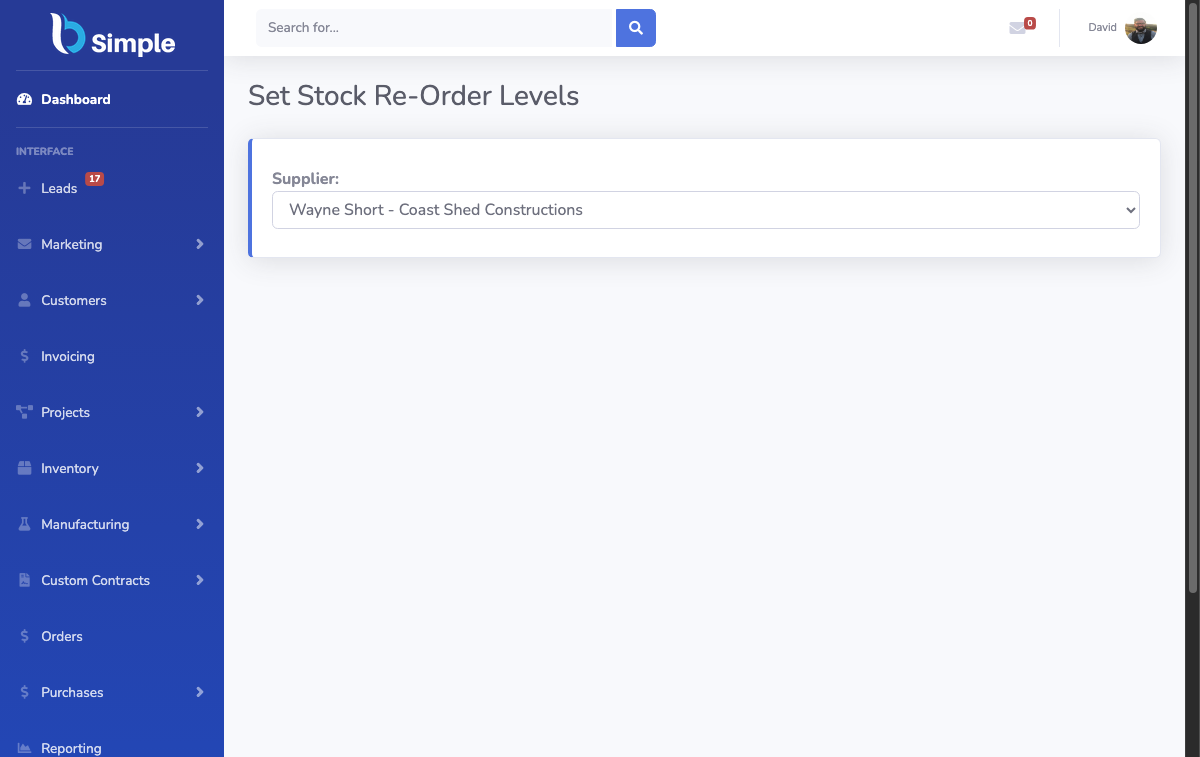
Automated Purchase Order Generation: One of the biggest time-savers in modern EMS examples is automatic PO creation. Instead of manually creating purchase orders when stock runs low, your system does it for you based on predefined reorder points and supplier lead times. This is particularly valuable for Australian businesses managing multiple suppliers across different states. You set the rules once, and the system handles the repetitive work.
Customer Ordering Portals: Many successful EMS examples now include self-service ordering portals for customers. This isn't just convenient — it dramatically reduces order errors and gives you real-time visibility into what customers need. A distribution business using this approach can see demand patterns emerging and adjust their own purchasing accordingly.
Xero Integration: For Australian businesses, this is non-negotiable. Your EMS should sync seamlessly with Xero so that every order, purchase, and inventory adjustment automatically updates your financial records. This is crucial for GST compliance, EOFY reporting, and gives your accountant accurate data without manual reconciliation. The best EMS examples treat Xero integration as a core feature, not an afterthought.
Real-Time Inventory Tracking: You need to know exactly what you have in stock at any moment. The most effective EMS examples provide real-time visibility into inventory levels across multiple locations, flag stockouts before they happen, and track stock movements throughout the day. This prevents overselling, reduces customer disappointment, and helps you make better purchasing decisions.
Stocktake Management: EOFY stocktakes are a fact of life for Australian businesses, and the right EMS makes them significantly less painful. Look for systems that support cycle counting, variance tracking, and automated reconciliation between physical counts and system records. BSimple's stocktake management capabilities are specifically designed to handle the Australian EOFY deadline without the usual headaches.
The most compelling enterprise management system examples for Australian SMBs share a common characteristic: they're built by people who understand the specific challenges you face. They're not overly complex, they integrate with tools you're already using, and they deliver measurable improvements in efficiency and accuracy. When you're evaluating options, look for systems that solve your actual problems rather than promising to revolutionise everything.
Frequently Asked Questions
What's the difference between an EMS and an ERP system?
An EMS (Enterprise Management System) is typically more focused and streamlined, handling core operations like inventory and orders. An ERP (Enterprise Resource Planning) is broader and more complex, covering everything from HR to supply chain. For most Australian SMBs, an EMS is more practical and cost-effective.
Do I need an enterprise management system if I'm using spreadsheets?
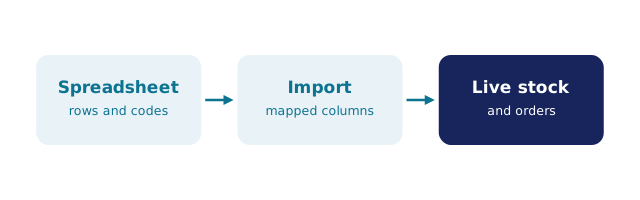
Spreadsheets work until they don't. Once you're managing hundreds of SKUs, multiple customers, and supplier relationships, spreadsheets become error-prone and time-consuming. An EMS eliminates manual data entry, reduces mistakes, and gives you real-time visibility that spreadsheets simply can't match.
How does Xero integration help my business?
Xero integration means every order and inventory adjustment automatically updates your financial records. This eliminates manual reconciliation, reduces accounting errors, ensures GST compliance, and makes EOFY reporting significantly easier for Australian businesses.
What's negative inventory tracking and why would I use it?
Negative inventory tracking allows you to fulfil customer orders even when temporarily out of stock, automatically generating a PO to cover the shortfall. This keeps customers happy, maintains cash flow, and prevents lost sales while waiting for stock to arrive.
Can an enterprise management system reduce my warehouse labour costs?
Yes. Automated PO generation, customer ordering portals, and real-time inventory tracking eliminate repetitive manual tasks. Your team spends less time on data entry and order processing, and more time on value-added activities like customer service and strategic planning.
How long does it take to implement an enterprise management system?
Implementation time varies, but practical EMS systems designed for Australian SMBs typically take weeks rather than months. The key is choosing a system that's purpose-built for your industry rather than a complex ERP that requires extensive customisation.
What should I look for in an EMS for my distribution business?
Look for real-time inventory visibility, automated reorder points, customer ordering portals, Xero integration, and support for multiple warehouses or locations. The system should also handle tiered pricing for different customer types and provide clear reporting on stock movements and turnover rates.