
Guide / EAM
Enterprise asset management vendors — choosing at the right weight
EAM is maintenance planning, work orders and asset lifecycles at enterprise scale. What the category demands, how to evaluate vendors for it, and where BSimple deliberately stops.
The key facts
- EAM is a maintenance discipline product: asset registries, preventive-maintenance schedules, work orders, compliance histories, lifecycle costing — at plant or fleet scale.
- The vendors differ by weight: enterprise EAM suites, mid-market maintenance platforms, and lightweight trackers — choose by asset count and regulatory weight, not features.
- BSimple is not an EAM vendor: it tracks assets on the operations record (locations, custody, history) with no maintenance-scheduling engine — stated plainly.
- The evaluation that works: map your maintenance discipline first, then trial the shortlist against one real asset's lifecycle.
- Where it fits: this page is one branch of the inventory management guide.
- 01The key facts
- 02What enterprise asset management actually covers
- 03How to evaluate EAM vendors
- 04Where BSimple sits — stated plainly
What enterprise asset management actually covers
EAM software runs the maintenance organisation: a registry of every asset with its criticality, preventive-maintenance schedules driven by time, usage or condition, work orders with trades, parts and sign-offs, compliance histories for regulated equipment (inspections, certifications), and lifecycle costing — what each asset truly costs from purchase to disposal. In asset-heavy industries this is a discipline with auditors attached, and the vendors who serve it price accordingly: enterprise suites for plants and fleets, mid-market platforms for single-site operations, and lightweight trackers below that.
The distinction that sorts vendors honestly: EAM schedules and dispatches work; inventory systems record what the work consumed. Confusing the two produces either an EAM without maintenance teeth or an inventory system pretending to schedule technicians. The asset-versus-stock mechanics explain the boundary at the record level, and the enterprise asset management solutions tier shows what the heavyweight vendors bundle.
How to evaluate EAM vendors
- Map your maintenance discipline first. If work orders, PM schedules and compliance sign-offs do not exist as processes, no vendor can install them — the process precedes the product.
- Weight by scale: asset count, sites, regulatory burden, and whether mobile work-order capture in the field is a daily reality or a demo fantasy.
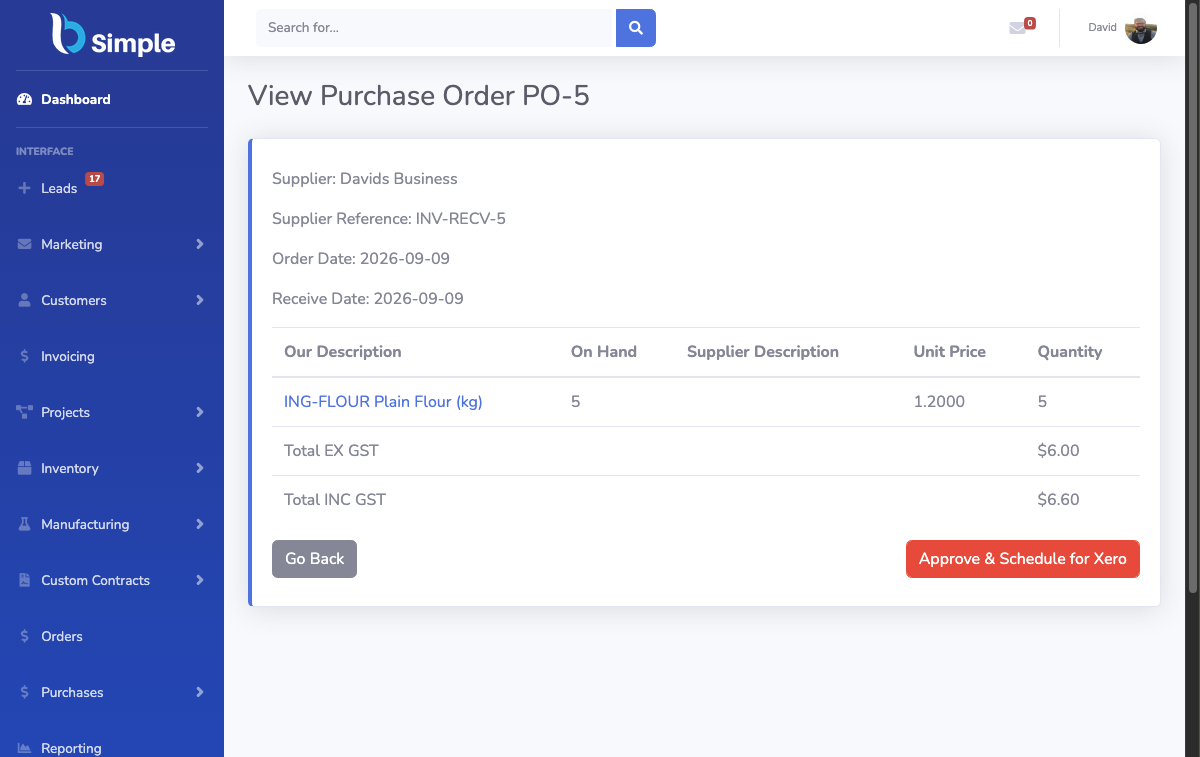
- Test the parts link. Maintenance consumes stock; ask exactly how the EAM's parts consumption meets your inventory record — a manual bridge here becomes the standing tax on every work order.
- Ask the lifecycle question. Total cost of one asset — purchase, maintenance events, downtime, disposal — should be answerable from the system in one sitting. Vendors who cannot demo it are selling registries.
- The exit check, as with any enterprise purchase: export formats and data access, because EAM histories outlive vendors.
Where BSimple sits — stated plainly
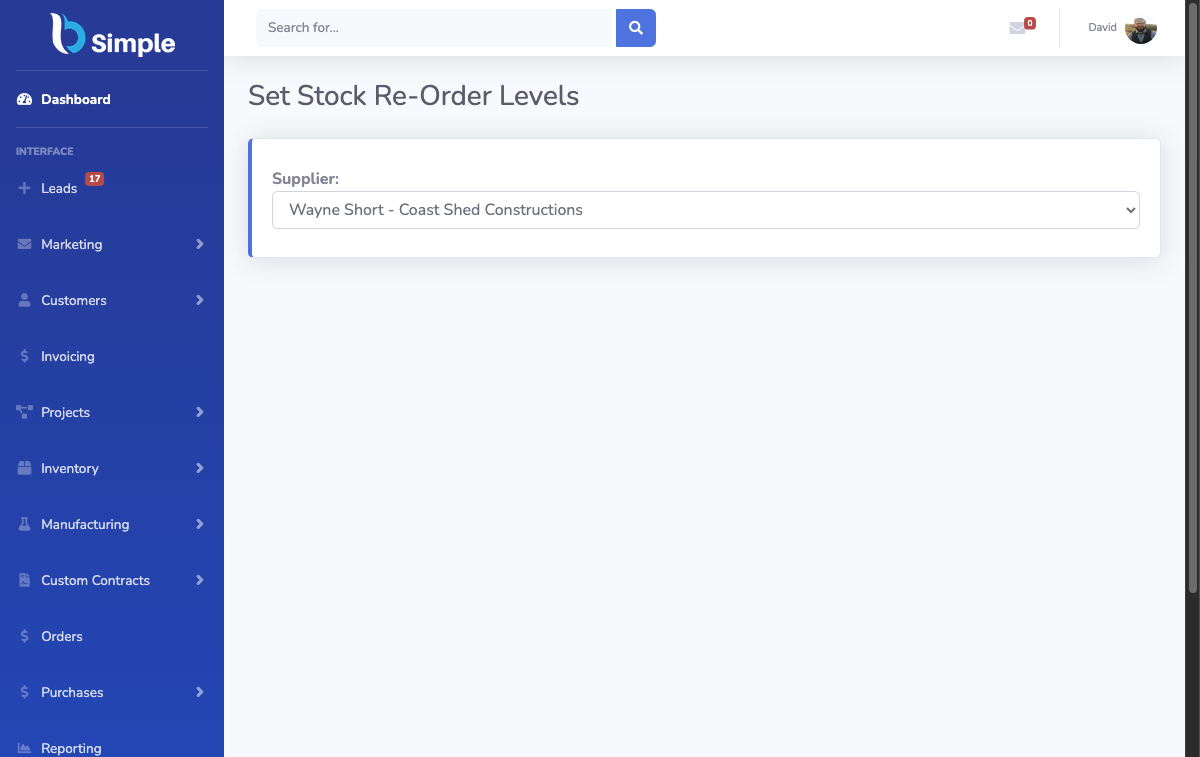
We build BSimple, so weigh that: BSimple is not an EAM vendor and does not compete with them. It carries asset records on the operations record — non-depleting items with locations, custody changes and full transaction history, with projects grouping on-site assets under a customer for lifetime management — but it has no maintenance-scheduling engine, no work orders, no compliance calendar. Its slot beside an EAM is the parts half: what each maintenance event consumed, drawn from live stock with batches and reorders, invoiced to Xero or MYOB (US integrations rolling out). For businesses whose asset story is mostly custody-and-history rather than scheduled maintenance, that is often enough; for plant-scale maintenance discipline, an EAM vendor is the honest answer. The trial shows exactly which side of that line your assets sit on — plans run $180/$250/$399 per month AUD.
Frequently Asked Questions
What do enterprise asset management vendors provide?
Asset registries, preventive-maintenance scheduling, work-order management, compliance histories and lifecycle costing — the maintenance organisation as software. Different category from inventory systems, though the parts half connects the two.
Is BSimple an EAM vendor?
No — no maintenance scheduling, work orders or compliance calendar, stated plainly. It tracks assets on the operations record (locations, custody, history) and supplies the parts truth an EAM typically lacks.
Can BSimple schedule preventive maintenance?
No — the record holds what happened and where each asset is; deciding it is due for service stays a management process. We would rather state that than imply a scheduling engine we do not carry.
How would BSimple work alongside an EAM?
As the stock and invoicing record the EAM's work orders draw from: parts consumed per maintenance event, reorders triggered, invoices pushed to the books. Integration depth varies — ask directly about your stack rather than trust a features page.
When do we need an EAM vendor rather than BSimple?
When scheduled maintenance and work-order discipline are the core problem — plant or fleet scale, compliance-driven inspections. When the problem is knowing what you have, where it is, and what each job consumed, the trial answers it on your real assets.

BSimple