
Guide / BSimple
Order Management Software For Small Business Free: Easy Setup for Accurate Forecasting
When we talk about order management software for small business free, we're really talking about solving real problems that keep small business owners up at night.
- Centralised order tracking and customer management without manual spreadsheet updates
- Customer ordering portals enabling 24/7 self-service ordering and reducing administrative burden
- Automated PO generation based on inventory thresholds for just-in-time stock management
- Seamless Xero integration eliminating duplicate data entry and ensuring financial accuracy
- Negative inventory tracking for managing pre-orders and made-to-order scenarios effectively
- Real-time stocktake management supporting EOFY compliance and GST reconciliation
- Multi-location inventory visibility for wholesale and distribution operations across Australia
Welcome to our guide on order management software for small business free — see also our Inventory Management Software for the full picture. Running a small wholesale, manufacturing, or distribution business in Australia means juggling dozens of moving parts every single day. Orders come in from various channels, stock levels fluctuate, and keeping everything organised can feel like herding cats. That's where free or affordable order management software becomes your secret weapon. The right system doesn't just track orders—it streamlines your entire operation, reduces manual data entry, and gives you visibility into what's actually happening across your business. For Australian SMBs, especially those already using Xero for accounting, having order management software that plays nicely with your existing tools is crucial. You need something that's easy to set up, doesn't require a PhD in IT to operate, and actually delivers results without breaking the bank. The good news? Modern order management solutions have become far more accessible to small businesses than they were even five years ago. Whether you're a Sydney coffee roaster managing wholesale orders to local cafes, a Melbourne brewery coordinating distribution, or a manufacturing operation handling customer POs, the right software can transform how you work. This guide explores what free and affordable order management software can do for your business, how to choose the right solution, and why features like Xero integration and automated PO generation matter more than you might think.
- 01Why Free Order Management Software Matters for Australian Businesses
- 02Why Free Doesn't Mean Compromising on Quality
- 03Setting Up Your Order Management System Without the Headaches
- 04Real-World Benefits for Australian Wholesale and Manufacturing
Why Free Order Management Software Matters for Australian Businesses
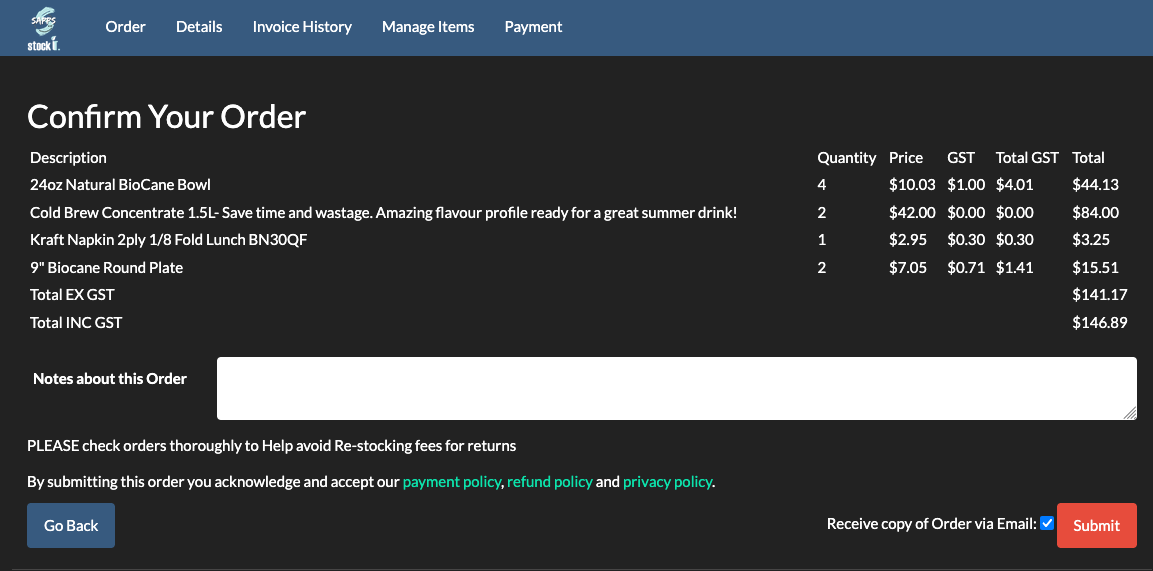
When we talk about order management software for small business free, we're really talking about solving real problems that keep small business owners up at night. The traditional way of managing orders—spreadsheets, email chains, phone calls—creates bottlenecks and introduces errors at every step. A customer rings with an urgent order, you manually check stock in a spreadsheet, promise delivery, then discover three days later that you've actually oversold. Sound familiar? That's where proper order management software steps in. Even free or low-cost solutions eliminate these pain points by creating a centralised system where all orders, customer details, and stock information live in one place. For wholesale and distribution businesses, this is absolutely critical. You might be managing orders from dozens of customers, each with different payment terms, delivery schedules, and product requirements. Manual tracking simply doesn't scale. Free order management software typically includes features like order creation and tracking, basic inventory visibility, and customer communication tools. More advanced (but still affordable) solutions add automated PO generation, which means you can set up rules so that when stock drops below a certain level, purchase orders automatically generate to your suppliers. This is particularly valuable for just-in-time inventory management, where you're trying to minimise storage costs while ensuring you never run out of critical items. The Xero integration aspect is worth highlighting here—many Australian small businesses already use Xero for accounting and tax compliance. When your order management software integrates seamlessly with Xero, you eliminate duplicate data entry, reduce reconciliation headaches, and ensure your financial records always match your operational reality. This becomes especially important during EOFY stocktakes when you need everything to align perfectly for tax purposes.
Why Free Doesn't Mean Compromising on Quality
Why Free Doesn't Mean Compromising on Quality
There's a misconception that free software means limited functionality or poor user experience. In reality, many providers offer genuinely useful free tiers specifically designed for small businesses just starting their digital journey. The catch? You might outgrow the free version relatively quickly, but that's actually a good problem to have—it means the software is working and your business is scaling. When evaluating free order management software, look for solutions that offer transparent upgrade paths. You want to start free, test whether the system actually solves your problems, and then graduate to a paid plan if needed, without losing your data or retraining your team. For Australian businesses, consider solutions that specifically understand local compliance requirements. GST tracking, EOFY stocktake management, and Australian supplier integration matter more than generic international features. A Melbourne brewery, for instance, needs software that can handle their specific workflow: taking orders from bottle shops and restaurants, managing stock across multiple warehouse locations, and ensuring they're compliant with local regulations. Free order management software should handle basic customer ordering portals, where your customers can place orders themselves rather than calling or emailing. This alone saves countless hours of administrative work. When customers can see real-time stock availability and place orders 24/7, you reduce back-and-forth communication and speed up the sales cycle. Negative inventory tracking is another feature worth seeking out—this allows you to track orders for items that aren't currently in stock, which is invaluable when you're managing made-to-order or pre-order scenarios. Check out our Order Management Software page for more details on how these features work in practice. You might also compare our free order management software for small business options to see which one fits your budget.
Setting Up Your Order Management System Without the Headaches
Setting Up Your Order Management System Without the Headaches
One of the biggest barriers small business owners face when considering new software is the setup process. You've got a business to run—you don't have time for weeks of implementation and training. That's why ease of setup should be a primary consideration when choosing order management software. The best solutions for small businesses are designed with minimal configuration required. You should be able to get started within hours, not weeks. This means importing your customer list, setting up basic product information, and starting to take orders through the system relatively quickly. Cloud-based solutions are particularly valuable here because they require zero installation, work on any device with an internet connection, and automatically update so you always have the latest features without lifting a finger. For Australian wholesalers and manufacturers, consider how the software handles your specific workflows. Do you need to manage multiple warehouse locations? Can you track orders by customer, by product, or by date range? Can you generate picking lists that your warehouse team can use to fulfil orders efficiently? These practical features matter far more than flashy dashboards that look good but don't actually help you work faster. Training is another critical setup consideration. Even the most intuitive software benefits from some guidance. Look for providers that offer video tutorials, knowledge bases, and responsive customer support. Australian businesses particularly benefit from local support—having someone who understands your time zone and business context can be invaluable when you hit a snag. Our Customer Ordering Portal feature, for example, is designed for minimal setup—your customers can start ordering within minutes of receiving their login credentials.
Real-World Benefits for Australian Wholesale and Manufacturing
Real-World Benefits for Australian Wholesale and Manufacturing
Let's talk specifics about how free or affordable order management software actually improves your day-to-day operations. Consider a Sydney-based coffee roaster managing wholesale accounts across the city. They're juggling orders from 50+ cafes, each with different order frequencies and product preferences. Without proper order management software, this means daily emails, phone calls, and manual order entry. With the right system, cafes can place orders through a customer portal whenever they need, orders automatically flow into the roasting schedule, and invoicing happens automatically through Xero integration. That's not just convenient—it's transformative. For manufacturing businesses, automated PO generation based on inventory levels means you're never caught short-staffed or overstocked. You set the rules once, and the system handles the rest. When stock of a critical component drops below your safety level, a PO automatically generates to your supplier. This is particularly valuable during busy periods when you're focused on production rather than administrative tasks. Distribution businesses benefit enormously from accurate order tracking and customer visibility. When a customer asks where their order is, you can tell them instantly rather than hunting through emails or calling the warehouse. This builds trust and reduces customer service burden. Stocktake management features are worth their weight in gold for Australian businesses managing EOFY compliance. Rather than the traditional nightmare of closing the warehouse for days to count everything manually, modern order management software provides real-time inventory visibility. You can identify discrepancies, track negative inventory, and reconcile stock with minimal disruption. Explore our Stocktake Management features to see how this works in practice for Australian compliance requirements.
Frequently Asked Questions
What's the difference between free and paid order management software?
Free versions typically cover basic order creation, tracking, and customer management. Paid plans add advanced features like automated PO generation, multi-location inventory, comprehensive reporting, and priority support. Most small businesses find free tiers sufficient initially.
Can free order management software integrate with Xero?
Some do, but not all. Xero integration is increasingly common in affordable solutions, eliminating duplicate data entry and ensuring accounting records match operational reality. This is particularly valuable for Australian businesses managing GST compliance.
How quickly can I set up free order management software?
Most cloud-based solutions are operational within hours. You'll import customer lists, configure basic products, and start taking orders. No installation required—just login and begin. Training typically takes a few hours to a day.
Is free order management software suitable for manufacturing businesses?
Yes, if it includes features like automated PO generation, negative inventory tracking, and multi-location management. Manufacturing businesses benefit most from software that handles made-to-order scenarios and integrates with accounting systems.
What happens if my business outgrows the free version?
Most reputable providers offer transparent upgrade paths where you keep your data and training. You simply move to a paid plan with additional features. This is actually ideal—you validate the software works before investing.
Can customers place orders through free order management software?
Yes, customer ordering portals are increasingly standard even in free tiers. This reduces administrative burden, enables 24/7 ordering, and improves customer experience significantly for wholesale and distribution businesses.
How does order management software help with EOFY stocktakes?
Real-time inventory visibility and stocktake management features reduce manual counting requirements. You can identify discrepancies, track negative inventory, and reconcile records efficiently during Australian financial year-end compliance.
BSimple