
Guide / BSimple
Sync Inventory Management System With Shopify Automatically
The challenge most Australian businesses face with Shopify is that it operates as an isolated island—brilliant for online sales, but disconnected from your warehouse operations, manufacturing schedules, and accounting…
- Real-time inventory synchronisation between Shopify and your warehouse management system, eliminating manual updates and stock discrepancies
- Automated PO generation triggered when inventory drops below reorder points, streamlining supplier management and just-in-time ordering
- Multi-channel inventory management supporting Shopify retail, B2B customer ordering portals, and wholesale channels from one system
- Seamless Xero integration ensuring all sales, adjustments, and stocktakes flow directly into accounting for GST compliance and EOFY reporting
- Negative inventory tracking and backorder management allowing you to capture demand and fulfil pre-orders as stock becomes available
- Stocktake management features that reconcile physical counts against system records, reducing EOFY audit time and errors significantly
- Multi-location warehouse support with intelligent order routing to optimise fulfillment efficiency and reduce shipping costs across Australia
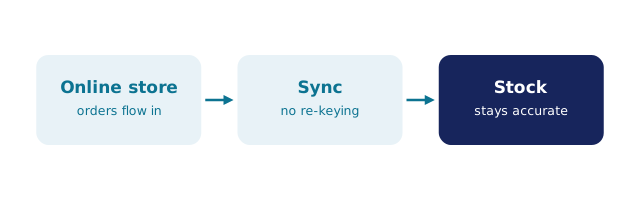
Managing inventory across multiple sales channels is a real headache for Australian wholesale, manufacturing, and distribution businesses—especially when you're juggling Shopify alongside traditional ordering systems. That's where an integrated Inventory Management Software solution becomes invaluable. When your Shopify store syncs automatically with your backend inventory system, you eliminate the manual data entry, stock discrepancies, and overselling that plague growing businesses. BSimple connects your Shopify storefront directly to your inventory database, ensuring real-time stock visibility across all your sales channels. Whether you're a Melbourne brewery selling direct-to-consumer alongside wholesale orders, or a Sydney coffee roaster managing both retail and B2B channels, automatic synchronisation means your stock levels stay accurate. No more discovering you've sold 50 units online that don't actually exist in your warehouse. The integration works seamlessly with your existing Xero accounting setup, so every sale, adjustment, and stocktake flows through your entire business system without manual intervention. This is particularly crucial during peak trading periods and EOFY stocktakes when accuracy directly impacts your GST compliance and financial reporting. For Australian SMBs operating on tight margins, this kind of automation isn't a luxury—it's essential infrastructure that prevents costly mistakes and frees your team to focus on growth rather than spreadsheet management.
- 01Why Shopify Alone Isn't Enough for Growing Businesses
- 02Real-Time Visibility Across All Your Sales Channels
- 03Seamless Xero Integration for Accurate Financial Reporting
- 04Building a Scalable Backend for Shopify Success
Why Shopify Alone Isn't Enough for Growing Businesses
The challenge most Australian businesses face with Shopify is that it operates as an isolated island—brilliant for online sales, but disconnected from your warehouse operations, manufacturing schedules, and accounting systems. When you're managing inventory across multiple locations or manufacturing batches, this disconnection creates real problems. You might have 100 units showing as available in Shopify, but your warehouse system shows only 30 in stock because 70 are earmarked for a pending wholesale order. Your customer buys 50 units online, you confirm the sale, then discover you can't actually fulfil it. That's a refund, a disappointed customer, and damage to your reputation. BSimple solves this by creating a single source of truth for your inventory. Every time stock moves—whether through a Shopify sale, a manual warehouse adjustment, or a manufacturing completion—that movement is instantly reflected across all your systems. Your customer ordering portal shows accurate availability, your warehouse team knows exactly what to pick, and your accountant has real-time data for GST reporting. For wholesale and distribution businesses, this integration is particularly powerful because you can manage both your Shopify retail channel and your B2B wholesale orders from a single platform. A customer might place an order through your portal at 2 PM, and by 3 PM your warehouse team has the pick list, your Xero accounting shows the transaction, and your inventory has been automatically adjusted. That's the efficiency that separates thriving Australian SMBs from those constantly fighting operational chaos.
Real-Time Visibility Across All Your Sales Channels
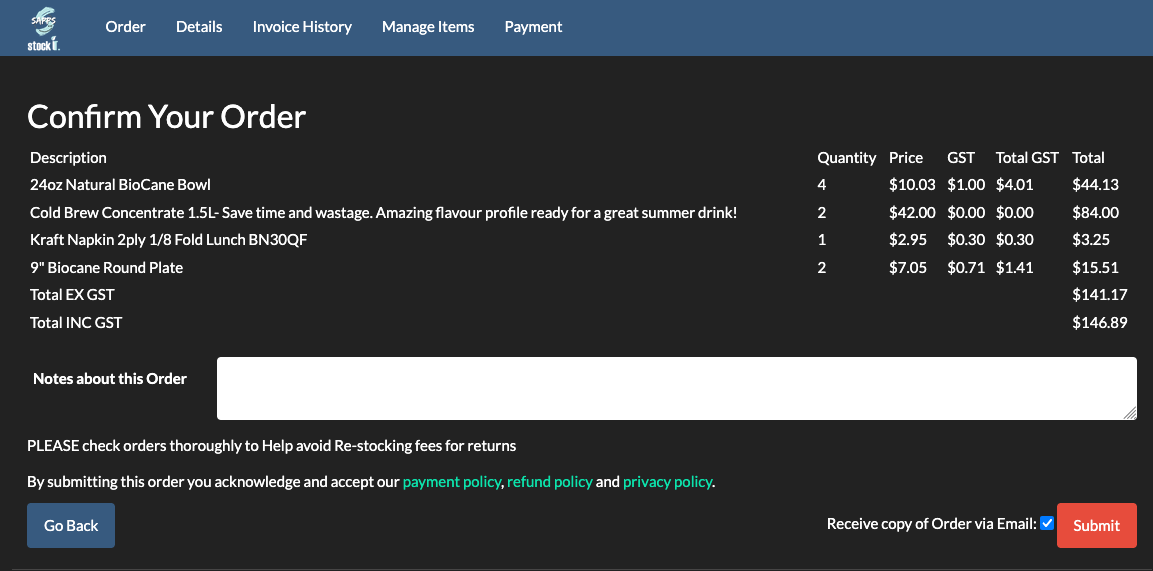
Real-time inventory synchronisation between Shopify and BSimple transforms how you handle stock management, particularly for businesses dealing with manufacturing or just-in-time inventory practices. When your Shopify store is pulling live data from your inventory system, you gain visibility that's impossible with manual updates. Imagine you're a Melbourne-based manufacturer of specialty food products. You have production runs scheduled based on actual demand, and overselling directly impacts your production planning and supplier relationships. With automatic Shopify integration, every online order immediately reduces your available inventory, triggering your automated PO generation if stock drops below your reorder point. Your supplier receives the purchase order automatically, your warehouse team sees incoming stock scheduled, and your production team knows exactly what's needed. This prevents the costly scenario where you're either stuck with excess inventory or scrambling to find stock because you oversold based on outdated numbers. The system also handles negative inventory tracking—useful when you're fulfilling pre-orders or managing backorders intelligently. If a customer orders something that's temporarily out of stock, you can capture that demand and fulfil it as soon as new stock arrives, rather than losing the sale entirely. For distribution businesses managing hundreds of SKUs across multiple warehouse locations, this real-time visibility is transformative. You can see instantly which locations have stock, which are running low, and where you need to rebalance inventory to meet demand efficiently. During busy periods like pre-Christmas trading or EOFY stocktakes, this automation prevents the manual chaos that typically requires overtime and creates errors.
Seamless Xero Integration for Accurate Financial Reporting
Xero integration is where BSimple's inventory management system truly shines for Australian businesses serious about accurate financial reporting. When your Shopify sales flow directly into your inventory system and then into Xero, you're creating an audit trail that satisfies both your accountant and the ATO. Every transaction is recorded once, at the point of sale, eliminating the duplicate entry errors that plague businesses managing multiple systems. For GST compliance—particularly important during EOFY reporting—having accurate, timestamped inventory movements is crucial. You can prove exactly when stock was sold, at what price, and to which customer. This matters enormously if you're ever audited or need to justify your tax position. BSimple's stocktake management features work seamlessly with this integration, allowing you to conduct physical counts and automatically reconcile them against your system records. No more spreadsheet nightmares where you're manually comparing printed inventory lists against system data. The system highlights discrepancies immediately, so you can investigate and correct them before they compound. For wholesale and manufacturing businesses managing multiple warehouses or production locations, this centralised approach to financial reporting is invaluable. Your accountant can pull accurate inventory valuations for balance sheet purposes, cost of goods sold calculations are based on actual movement data, and you have complete visibility into inventory holding costs. This is particularly relevant for Australian businesses managing seasonal inventory or dealing with perishable goods where accurate dating and rotation directly impacts your financial position.
Building a Scalable Backend for Shopify Success
The practical reality for Australian wholesale, manufacturing, and distribution businesses is that Shopify alone doesn't cut it once you scale beyond basic operations. You need backend systems that handle the complexity of your business—multiple warehouses, different customer types (retail vs wholesale), manufacturing schedules, and supplier relationships. BSimple bridges this gap by connecting Shopify to a robust backend system purpose-built for your operational needs. Your sales team can use the Shopify storefront for retail customers, while your wholesale team uses the customer ordering portal for B2B orders—and both channels pull from identical inventory. This eliminates the territorial disputes that often emerge when different teams manage different sales channels. A wholesale customer can place an order through the portal, your warehouse team can see it in the same picking queue as Shopify orders, and your accountant can reconcile everything in Xero. The system also handles the nuances that matter to Australian businesses specifically. You can manage GST-inclusive and GST-exclusive pricing for different customer types, track inventory by batch or serial number for compliance purposes, and generate reports that align with Australian accounting standards. During peak trading periods or when you're preparing for EOFY stocktakes, having a system that automates the heavy lifting is genuinely transformative. Instead of your team spending weeks manually reconciling data, you're spending hours verifying a system that's already done most of the work. This frees your team to focus on what actually drives growth—building customer relationships, optimising operations, and identifying opportunities rather than fighting with spreadsheets and manual data entry.

Frequently Asked Questions
Can BSimple sync inventory from multiple Shopify stores?
Yes, BSimple can connect multiple Shopify stores to a single inventory system, making it ideal for businesses operating multiple retail locations or brands. All stores pull from the same inventory pool, preventing overselling and ensuring consistent stock levels across channels.
What happens to inventory during the sync process?
Synchronisation happens in real-time as orders are placed. When a customer completes a purchase on Shopify, inventory is immediately reserved and adjusted in BSimple. If stock falls below your reorder point, automated PO generation can trigger supplier notifications automatically.
Does the Shopify integration work with Xero?
Absolutely. BSimple integrates seamlessly with Xero, so Shopify sales flow directly into your accounting system with complete inventory tracking. This ensures GST compliance, accurate COGS calculations, and audit-ready financial records for Australian businesses.
Can I track negative inventory or backorders through Shopify?
Yes, BSimple's negative inventory tracking allows you to accept backorders through Shopify and fulfil them as stock becomes available. This captures demand you might otherwise lose while maintaining accurate inventory forecasting.
How does this help with EOFY stocktakes?
BSimple's stocktake management features let you conduct physical counts and automatically reconcile against system records. With real-time Shopify sync, your system data is already accurate, dramatically reducing the time and errors in your EOFY process.
What if I have multiple warehouse locations?
The system tracks inventory across multiple locations and can automatically route Shopify orders to the nearest warehouse or your preferred location. This optimises fulfillment efficiency and reduces shipping costs for Australian businesses.
Is there a setup cost or learning curve?
BSimple is designed for Australian SMBs and doesn't require technical expertise to set up the Shopify integration. Our team handles the configuration, and most businesses are operational within days rather than weeks.
BSimple