Complete Business Rules Management System Java Solution
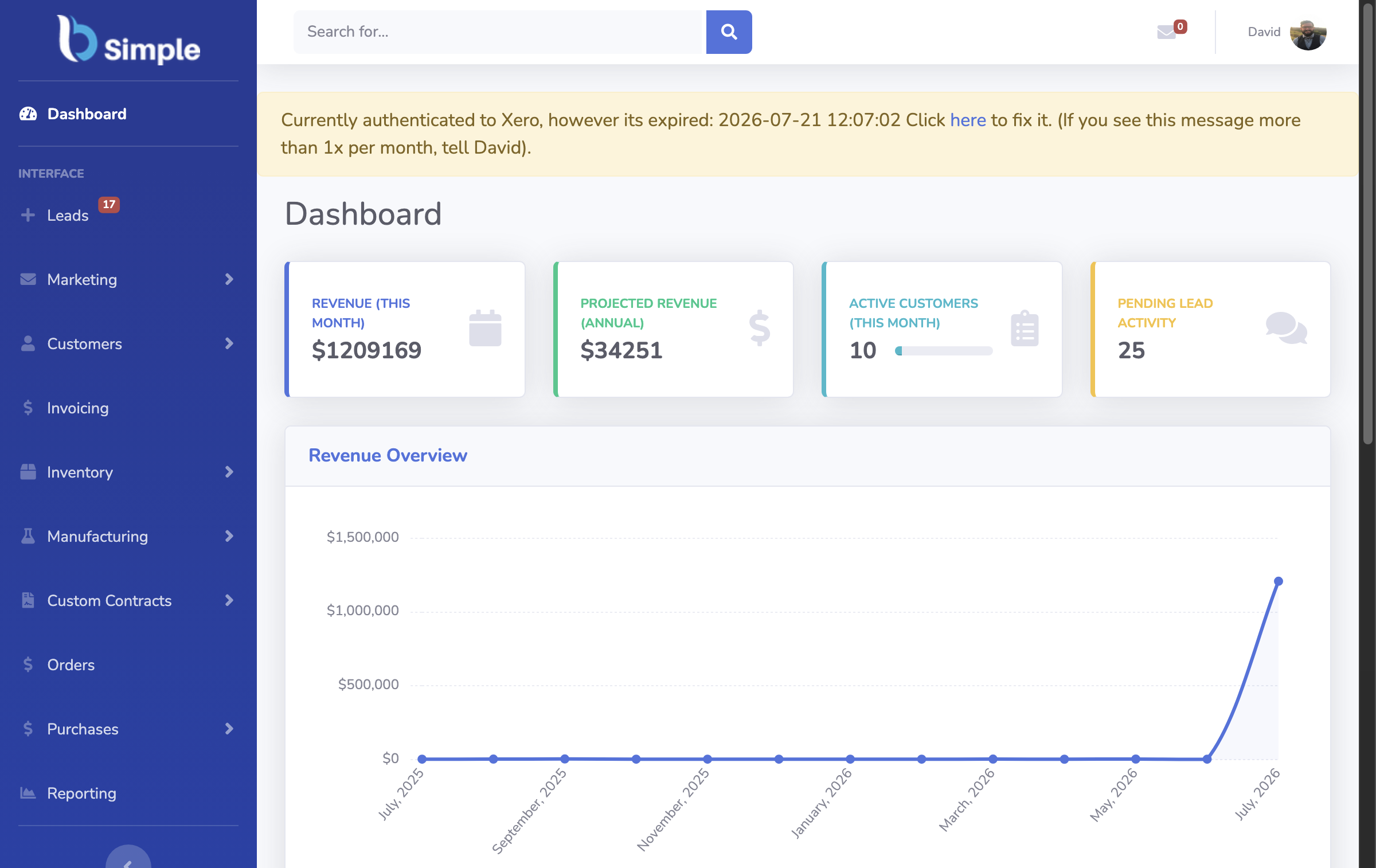
Business Rules Management System Java helps Australian wholesalers and manufacturers manage inventory, orders, and purchasing. Xero integration, customer por...
- Declarative rule definition allowing non-technical staff to create and modify business logic without code changes
- Real-time rule evaluation for customer-facing decisions with millisecond response times and high-volume processing
- Complete audit trail and version control ensuring compliance, traceability, and policy governance across operations
- Seamless Xero integration enabling automated financial workflows, invoice generation, and account reconciliation
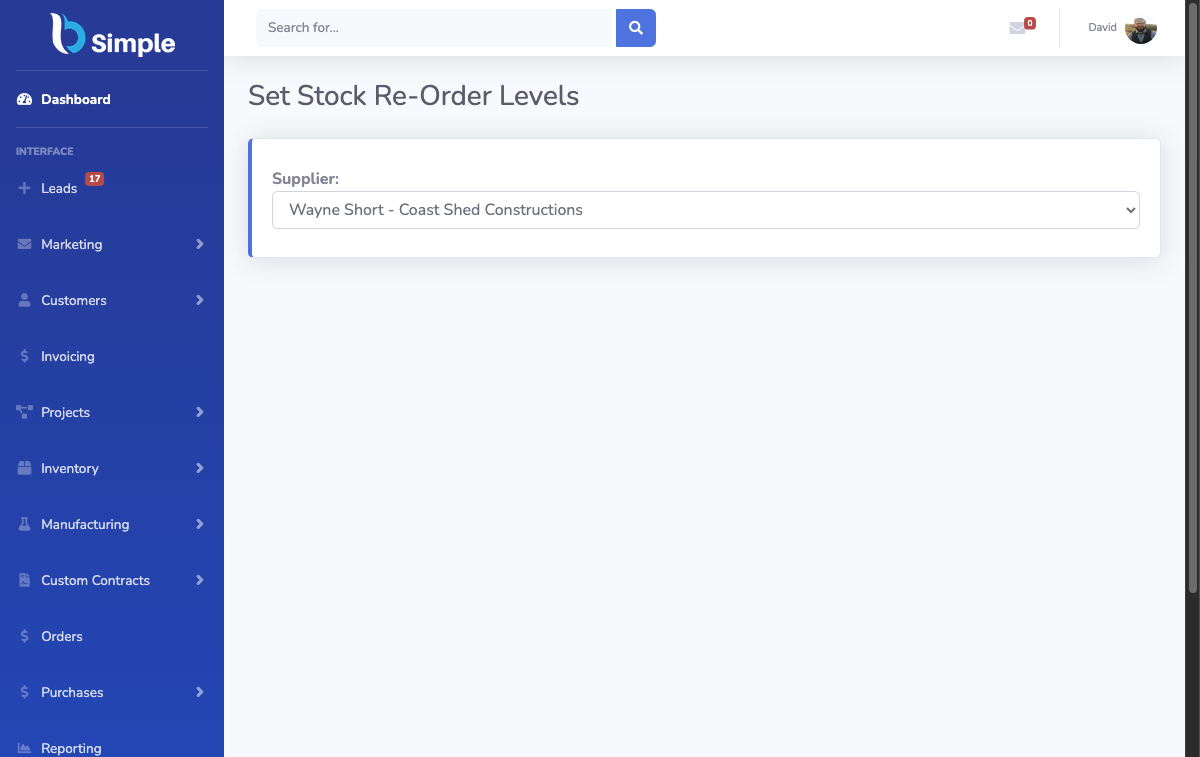
- Sophisticated inventory rule automation including reorder points, just-in-time calculations, and negative inventory tracking
- Cloud-native architecture providing scalability, automatic updates, and zero infrastructure management for Australian SMBs
- Multi-system orchestration connecting inventory management, order processing, customer portals, and accounting platforms
Welcome to our comprehensive guide on business rules management system Java — see also our Order Management System for the full picture. A business rules management system (BRMS) in Java is fundamentally about automating decision-making processes that govern how your wholesale, manufacturing, or distribution business operates. Rather than hardcoding business logic into your applications, a BRMS allows you to define, manage, and modify rules externally, making your operations more agile and responsive to market changes. For Australian SMBs dealing with complex inventory scenarios—like a Melbourne brewery managing seasonal demand or a Sydney coffee roaster handling multiple supplier contracts—a Java-based BRMS can be transformative. It enables you to implement sophisticated rules around stock reordering, pricing adjustments, customer credit limits, and order validation without requiring constant code rewrites. The beauty of using Java for BRMS is its robustness, scalability, and seamless integration capabilities with existing business systems like Xero. When combined with intelligent inventory management, BRMS ensures that your business rules remain consistent, auditable, and aligned with your operational goals.
Automate Your Business Logic With Java BRMS
Java-based business rules management systems work by separating business logic from application code, creating a more flexible and maintainable architecture. Instead of embedding decision-making directly into your software, you define rules in a declarative format that non-technical business stakeholders can understand and modify. For instance, a manufacturing business might establish rules like: "If stock falls below reorder point AND supplier lead time is greater than 7 days, automatically generate a purchase order." In Java environments, popular BRMS frameworks like Drools enable this kind of sophisticated rule definition and execution. The real advantage for Australian distributors is that rule changes can be implemented without deploying new code—critical when you're managing EOFY stocktakes or responding to GST compliance requirements. A Java BRMS can handle complex scenarios such as negative inventory tracking for backorders, just-in-time inventory calculations, and multi-warehouse stock allocation rules. When integrated with cloud-based systems, these rules execute consistently across your entire operation, whether you're managing a single warehouse or multiple distribution centres. The system evaluates incoming orders against your defined rules in milliseconds, ensuring compliance with your business policies while maintaining speed and reliability that modern supply chains demand.
Real-World Benefits For Australian Distribution Businesses
Implementing a business rules management system Java solution specifically designed for your industry brings tangible operational benefits. Consider how a wholesale distributor might use BRMS to automate complex pricing rules: automatic discounts based on order volume, customer tier, product category, and seasonal factors—all evaluated in real-time as orders come through your customer ordering portal. This eliminates manual pricing errors and ensures consistent margin protection across all sales channels. For manufacturing businesses, BRMS rules can govern production scheduling, automatically triggering manufacturing orders when inventory reaches predetermined thresholds while accounting for lead times and demand forecasts. A key advantage is audit trail capability—every rule evaluation is logged, providing complete transparency for compliance purposes and helping you understand exactly why specific business decisions were made. Java's enterprise-grade capabilities mean your BRMS can handle high-volume transaction processing without performance degradation, crucial for busy distribution centres during peak periods. The system can also implement sophisticated validation rules that prevent problematic orders from entering your workflow, such as rejecting orders that exceed a customer's credit limit or violate minimum order quantities. By centralising rule management, you create a single source of truth for your business policies, reducing inconsistencies and ensuring that all team members operate under identical guidelines.
Seamless Integration With Your Existing Systems
Integration between your business rules management system and Java-based applications like your inventory and order management platform creates powerful automation opportunities. When BRMS connects with Xero integration capabilities, you can establish rules that automatically sync inventory adjustments, trigger invoice generation based on specific order conditions, or flag transactions requiring special approval. For example, a rule might specify: "If purchase order exceeds $10,000, require manager approval before syncing to Xero." This level of automation reduces manual data entry, minimises errors, and accelerates your financial close process—particularly valuable during EOFY when Australian businesses face tight compliance deadlines. Java's flexibility allows your BRMS to communicate seamlessly with multiple systems simultaneously, orchestrating complex workflows that span inventory management, order processing, and financial systems. A Sydney-based wholesale operation might implement rules that automatically adjust stock levels based on confirmed customer orders, generate purchase orders to suppliers, and update Xero's accounts payable—all triggered by a single incoming order. The system can also implement rules around customer ordering portal interactions, such as automatically approving orders from established customers while routing new customer orders through approval workflows. By leveraging Java's robust integration frameworks, your BRMS becomes the intelligent orchestrator of your entire business operation, ensuring consistent decision-making across all systems and eliminating the need for manual intervention in routine processes.
Implementation Strategy For Maximum Impact
Selecting and deploying the right business rules management system Java solution requires understanding your specific operational challenges and growth trajectory. Start by identifying your most complex, frequently-changing business rules—these are prime candidates for BRMS implementation. Many Australian distributors find that automating inventory management system rules delivers immediate ROI through reduced stockouts, minimised overstocking, and faster order fulfilment. When evaluating BRMS platforms, prioritise solutions offering strong Java compatibility, cloud-native architecture, and seamless Xero integration. Consider whether you need real-time rule evaluation for customer-facing decisions or batch processing for backend operations—most businesses benefit from both. Implementation should be phased: begin with your highest-impact rules, measure results, then gradually expand coverage. A Melbourne brewery, for instance, might start with rules governing stock reordering for seasonal products, then expand to pricing rules and production scheduling. Ensure your chosen solution supports version control and rule testing, allowing you to validate changes before deployment. Training is critical—your team needs to understand how to create, modify, and test rules safely. Cloud-based BRMS solutions offer advantages for Australian SMBs: no infrastructure investment, automatic updates, and scalability as your business grows. The best implementations treat BRMS as an ongoing capability, regularly reviewing rules against actual business outcomes and refining them based on performance data. This continuous improvement mindset transforms BRMS from a one-time implementation into a strategic competitive advantage.
Frequently Asked Questions
What is a business rules management system in Java?
A Java-based BRMS is software that separates business logic from application code, allowing you to define, manage, and execute business rules externally. This enables faster decision-making, easier rule modifications, and better compliance tracking without code redeployment.
How does BRMS integrate with inventory management?
BRMS can automatically evaluate inventory rules—such as reorder points, supplier lead times, and stock allocation—triggering appropriate actions like purchase order generation or backorder notifications without manual intervention.
Can BRMS work with Xero accounting software?
Yes, Java-based BRMS solutions can integrate with Xero to automate financial processes. Rules can trigger invoice generation, purchase order creation, and account reconciliation based on your business conditions and policies.
What are the main benefits for Australian wholesalers?
BRMS provides consistent pricing enforcement, automated order validation, reduced manual errors, faster order processing, complete audit trails for compliance, and the ability to adapt quickly to market changes without IT intervention.
Is BRMS suitable for small manufacturing businesses?
Absolutely. Cloud-based Java BRMS solutions are scalable and cost-effective for SMBs. They're particularly valuable for automating production scheduling, quality control rules, and supplier management without significant infrastructure investment.
How quickly can we implement business rules management?
Implementation timelines vary, but phased approaches work best. Start with 2-3 high-impact rules, measure results over 4-6 weeks, then expand gradually. Most Australian businesses see initial benefits within 8-12 weeks of deployment.
What happens if we need to change our business rules?
This is BRMS's primary advantage. Rule changes can be implemented immediately without code modifications or system redeployment. Changes are version-controlled and auditable, providing complete transparency of policy evolution.