
Guide / definitions
Business management software — a working definition
Software that keeps one of the business's core records true — money, stock, orders, people — so questions are answered by records instead of memory. A definition you can test against.
The key facts
- The definition: software that keeps one of the business's core records true — accounting, stock and orders, people, demand — and serves it to everyone who needs it.
- The categories: accounting platforms, operations systems, ERP bundles, workforce tools, vertical products — each sorted here.
- The test of any definition-claiming product: which record does it keep true, and what does it refuse to keep?
- BSimple's self-definition: an operations system for wholesale, manufacturing, distribution and trade — not an ERP, not accounting, not free.
- The full picture: how the inventory record works is the hub page for everything above.
- 01The key facts
- 02The definition, precisely
- 03The categories, and their records
- 04BSimple's definition of itself
The definition, precisely
Business management software is software that keeps one of the business's core records true and serves it to everyone who needs it. The definition has three working parts. One record: a single dataset, not a constellation of spreadsheets — the seat of truth for its domain. True: updated by real events (a sale, a receipt, a payment) with guardrails and history, rather than by whoever last remembered to type. Served: reachable by every role that depends on it — sales, floor, bookkeeper, owner — without an export ritual.
The definition is deliberately narrower than the marketing. Software that reports on a record kept elsewhere is analytics; software that orchestrates several records is integration; software that keeps a record true is business management software. The system view adds the people and processes around it; the category map sorts the products.
The categories, and their records
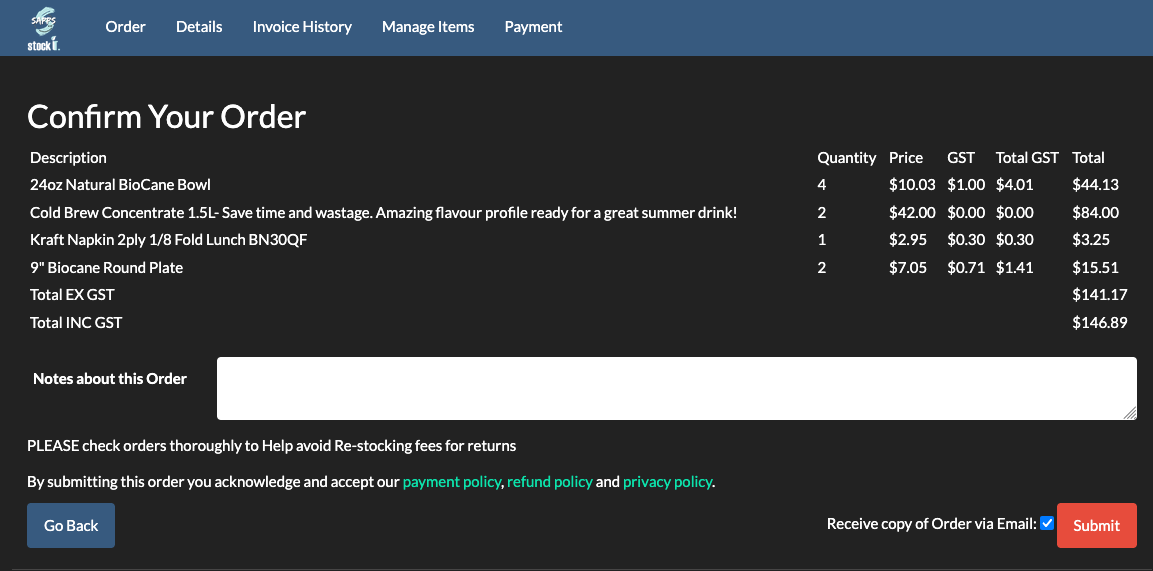
Accounting platforms keep the money record — Xero and MYOB are the Australian defaults. Operations systems keep the stock-and-order record — live quantities, purchasing from demand, fulfilment, invoicing produced from checked orders. ERP bundles attempt several records at once, at enterprise weight. Workforce tools keep the people record. Vertical products keep an industry's special object — dealer systems around vehicles, practice systems around client files.
Two tests separate real products from brochures within any category. The boundary test: what does the product deliberately refuse to keep? A vendor with no refusals is describing ambitions, not a product. The behaviour test: can it explain any number it shows — the movement behind the quantity, the approval behind the invoice? The ER reasoning explains why that test predicts quality.
BSimple's definition of itself
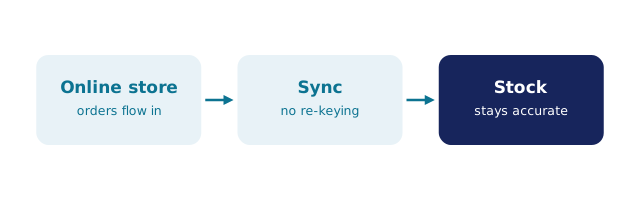
We build BSimple, so weigh that. Definition: an operations system — the stock-and-order record for wholesale, manufacturing, distribution and trade businesses. Keeps true: live quantities across locations, multi-level units, batches with expiry, purchasing from demand, orders through fulfilment to invoice, customer portals, production with recipes and traceability — every change attributed. Refuses: the books (Xero and MYOB keep them; US integrations rolling out), HR and payroll, MRP scheduling, storefronts, POS counters, and free (from $180/$250/$399 per month AUD, with the trial as the full product). That is the definition in one breath — every claim in it is checkable, which is the point of a good definition.
Frequently Asked Questions
What is business management software?
Software that keeps one of the business's core records true — money, stock and orders, people, demand — and serves it to every role that needs it. Categories include accounting platforms, operations systems, ERP bundles, workforce tools and vertical products.
Is BSimple business management software?
Yes — specifically an operations system: the stock-and-order record for Australian wholesale, manufacturing, distribution and trade businesses. It refuses the books, HR, MRP and storefronts, deliberately.
How is it different from accounting software?
Different records. Accounting keeps money truth; operations keeps quantity and order truth. They meet at a designed seam — BSimple pushes approved invoices to Xero or MYOB and mirrors payment status back — rather than one pretending to be the other.
What features define the operations category?
Live quantities per location, purchasing from demand, order-to-invoice without re-entry, counts with variance history, and audit trails throughout. Production, batches and portals extend it for businesses that need them.
How do we test a vendor against this definition?
Ask which record it keeps, what it refuses, and why a number changed — then verify in the trial with your products. A definition that cannot survive the trial was marketing.

BSimple