
Guide / BSimple
Business Code For Contractor for Wholesale with Mobile Access
In Australia, where small to medium-sized wholesalers and manufacturers form the backbone of our economy, having a robust contractor management system isn't just helpful—it's essential for maintaining operational effi…
- Unique contractor identifiers that streamline supplier tracking and communication across all departments seamlessly
- Automatic purchase order generation based on inventory levels and contractor-specific reorder points and terms
- Complete audit trails linking every transaction to contractor codes for GST compliance and EOFY stocktakes
- Mobile access allowing warehouse teams to look up contractor details and place orders from anywhere in your facility
- Xero integration ensuring contractor information flows automatically through your accounting records without manual data entry
- Performance tracking showing delivery reliability, quality metrics, and pricing consistency across all your contractors
- Negative inventory alerts that automatically trigger orders from your preferred contractors based on historical patterns
Managing contractor relationships in wholesale and manufacturing businesses can feel like herding cats—especially when you're juggling multiple suppliers, purchase orders, and inventory levels simultaneously. A business code for contractor is essentially a unique identifier system that streamlines how your organisation communicates with external suppliers, subcontractors, and service providers. In Australia, where small to medium-sized wholesalers and manufacturers form the backbone of our economy, having a robust contractor management system isn't just helpful—it's essential for maintaining operational efficiency.
When you implement a business code for contractor within your operations, you're creating a standardised way to track, communicate with, and manage all external parties involved in your supply chain. This means less confusion about who's responsible for what, clearer audit trails for compliance purposes, and significantly reduced administrative overhead. For Sydney coffee roasters managing relationships with multiple bean suppliers, or Melbourne breweries coordinating with ingredient distributors, a proper contractor coding system transforms how smoothly operations run. BSimple's cloud-based platform integrates seamlessly with your existing workflows, allowing you to assign unique codes to each contractor and track their performance, delivery times, and reliability metrics all in one place. This level of organisation becomes invaluable during EOFY stocktakes when you need to reconcile inventory against supplier records and ensure GST compliance across all transactions.
The real power of contractor business codes emerges when combined with Xero integration. Your accounting records automatically align with your operational data, eliminating the tedious manual data entry that plagues so many Australian businesses. When a contractor code is properly established in your system, every purchase order, invoice, and payment flows through with complete traceability. This means your finance team can run accurate reports, your operations team knows exactly who supplied what and when, and your management has real-time visibility into supplier performance metrics.
- 01Simplify Contractor Management Across Your Supply Chain
- 02Transform Contractor Management Into Strategic Advantage
- 03Streamline Supplier Communication And Order Management
- 04Leverage Data For Continuous Supply Chain Improvement
Simplify Contractor Management Across Your Supply Chain
Setting up an effective business code for contractor system requires a thoughtful approach to classification and organisation. Rather than using random numbers or cryptic abbreviations, successful Australian wholesalers and manufacturers use codes that contain meaningful information. For instance, a code might indicate the contractor's geographic location, their service category, and a sequential number—making it instantly recognisable to your team members. This systematic approach prevents costly mistakes like duplicate orders, missed deliveries, or payments sent to the wrong supplier.
The implementation process in BSimple starts with defining your contractor categories. Are they raw material suppliers, logistics partners, maintenance contractors, or specialist service providers? Each category might warrant different tracking requirements and communication protocols. Once you've categorised your contractors, assigning codes becomes straightforward. Your team can then use these codes across all operational documents—purchase orders, delivery dockets, invoices, and inventory records. This consistency is particularly crucial for businesses managing complex supply chains where multiple contractors might supply similar products or services. A Melbourne manufacturing facility sourcing components from five different suppliers needs absolute clarity about which supplier provided which batch of materials, especially for quality control and warranty purposes.
BSimple's automated PO generation feature works brilliantly with your contractor coding system. Once you've set up your contractors with their unique codes, the system can automatically generate purchase orders based on your inventory levels and reorder points. This means when your negative inventory tracking alerts you that stock is running low, the system knows exactly which contractor to order from, in what quantities, and on what terms. For Australian SMBs operating on tight margins, this automation translates directly to cost savings and improved cash flow management.
Transform Contractor Management Into Strategic Advantage
Implementing contractor business codes might seem like an administrative task, but it's actually a strategic investment in operational excellence. The key to success is ensuring your entire team understands the system and uses it consistently. This means clear documentation, regular training, and embedding the codes into your standard operating procedures. When every team member—from warehouse staff to procurement officers to finance team members—uses the same contractor codes, you eliminate confusion and create accountability throughout your supply chain.
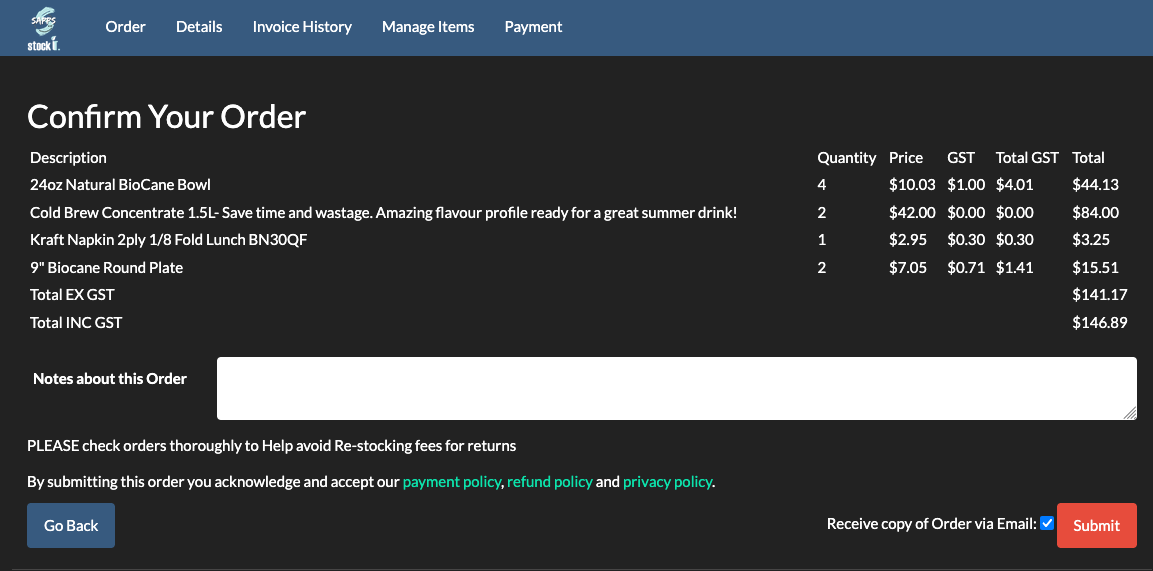
Consider how a typical wholesale operation currently handles contractor information. Someone needs to maintain a spreadsheet of supplier contacts, another team member manages purchase orders in a different system, your accountant tracks payments in Xero, and your warehouse staff might have their own notes about which supplier delivers on which day. This fragmentation leads to errors, duplicate orders, missed opportunities for bulk discounts, and wasted time hunting for information. A unified contractor coding system within BSimple consolidates all this information into one accessible platform. Your team members can access the same up-to-date contractor information regardless of which department they work in, and everyone's working from the same source of truth.
The real-world benefits become obvious quickly. A Melbourne brewery using contractor codes can instantly see that their primary hop supplier has delivered consistently on the first Tuesday of each month for the past twelve months, so they can plan their production schedule accordingly. A Sydney coffee roaster can review their contractor performance data and realise they're paying premium prices to one supplier while another contractor offers the same quality at better rates. A manufacturing business can track that one contractor's delivery times have been increasing over the past quarter, prompting a conversation about capacity or a shift towards backup suppliers. These insights drive better decision-making and stronger bottom-line results. When you're ready to optimise your entire ordering process, BSimple's customer ordering portal also allows your own customers to place orders directly, creating a complete ecosystem of efficiency.
Streamline Supplier Communication And Order Management
One of the most underrated benefits of a proper contractor business code system is the audit trail it creates. For Australian businesses, compliance matters—whether you're managing GST obligations, preparing for EOFY stocktakes, or responding to customer inquiries about product sourcing. When every transaction is linked to a specific contractor code, you have complete visibility into your supply chain history. This becomes invaluable if you ever need to investigate a quality issue, trace a batch of materials, or verify that you've paid an invoice. The documentation is all there, clearly linked to the contractor code, making audits faster and less stressful.
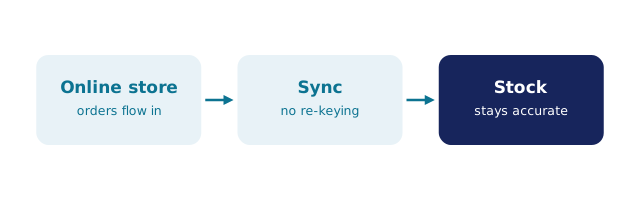
BSimple's integration with Xero means your contractor codes flow seamlessly through your accounting system. When you receive an invoice from a contractor, it's automatically matched against the purchase order that was generated using their code. Your finance team can instantly see whether the invoice matches the agreed terms, the quantity ordered, and the expected pricing. This prevents overpayment errors and catches discrepancies before they become problems. For businesses managing hundreds of transactions monthly, this automated reconciliation saves countless hours of manual checking.
The mobile access component becomes particularly valuable during critical periods like stocktakes. Your team can access contractor information on-site, cross-reference it against physical inventory, and resolve discrepancies in real-time rather than discovering problems days later when reconciling back at the office. If you find that a particular contractor's goods don't match the expected quantity or quality, you can immediately document the issue, photograph it if necessary, and contact the contractor with full details. This responsiveness strengthens your negotiating position and often results in faster resolution of disputes.
Another practical advantage emerges when you're managing negative inventory tracking. When your system shows negative stock levels, it automatically knows which contractors typically supply that item and can generate purchase orders accordingly. But more importantly, your contractor codes help you understand why you're going negative. Are you ordering too infrequently and running out between orders? Are certain contractors unreliable, forcing you to maintain higher safety stock? The data linked to your contractor codes reveals these patterns, allowing you to adjust your ordering strategy and contractor relationships accordingly.
Leverage Data For Continuous Supply Chain Improvement
Building a contractor business code system that actually works requires thinking beyond just identification numbers. Your codes should be designed with your team's daily reality in mind. A system that makes sense to your procurement officer but confuses your warehouse staff won't deliver the benefits you're looking for. The best approach is to involve representatives from different departments in designing your code structure. What information do they need to see immediately? What details matter most for their daily work? This collaborative approach ensures your system serves everyone's needs.
For many Australian wholesalers and manufacturers, the real game-changer comes when they realise contractor codes enable better just-in-time inventory management. Rather than maintaining large safety stocks to buffer against supply uncertainty, you can work with reliable contractors on tighter delivery schedules. Your system tracks which contractors consistently deliver on time, which ones have flexible minimum order quantities, and which ones can handle rush orders. With this intelligence, you can reduce your inventory holding costs—a significant expense for any wholesale operation—while improving cash flow. A manufacturing business that previously maintained three weeks of raw material stock might reduce that to two weeks once they've identified contractors they can trust implicitly.
The integration between contractor codes and your overall supply chain visibility creates opportunities for continuous improvement. You can analyse trends over time: Are your costs increasing? Which contractors are driving price increases and why? Are there seasonal patterns in delivery reliability? Which contractors perform better during busy periods? This data-driven approach to contractor management transforms what could be a purely transactional relationship into a strategic partnership. You're not just ordering from contractors; you're actively managing your relationships to drive mutual benefit. When you combine this with BSimple's comprehensive stocktake management features, you have complete visibility into how contractor performance impacts your overall inventory accuracy and operational efficiency. This holistic approach to supply chain management is what separates thriving Australian businesses from those just getting by.

Frequently Asked Questions
What exactly is a business code for contractor?
A business code for contractor is a unique identifier assigned to each external supplier, service provider, or subcontractor your business works with. It streamlines tracking, communication, and management across your entire supply chain and accounting systems.
How does contractor coding improve inventory management?
Contractor codes link directly to your inventory system, enabling automatic purchase order generation when stock runs low, tracking of which supplier provided which items, and identification of quality or delivery patterns that inform reordering strategies.
Can I use contractor codes with my Xero accounting?
Yes, BSimple's Xero integration means contractor codes flow seamlessly through your accounting system. Invoices automatically match against purchase orders, preventing errors and saving your finance team significant time on reconciliation.
What information should a contractor code contain?
Effective codes typically include the contractor's category, geographic location, and a sequential number. This makes codes instantly recognisable to your team and helps with organisation across your supply chain.
How does mobile access to contractor codes help my team?
Mobile access allows warehouse staff and field teams to look up contractor details, check inventory levels, and place orders without returning to the office, keeping operations moving smoothly throughout the day.
Does contractor coding help with GST compliance?
Absolutely. Contractor codes create complete audit trails linking every transaction to its source, making EOFY stocktakes and GST reconciliation significantly faster and more accurate for Australian businesses.
How can contractor codes reduce my inventory costs?
By tracking contractor reliability and delivery times, you can work with trusted suppliers on tighter just-in-time schedules, reducing safety stock requirements and improving cash flow while maintaining service levels.
BSimple