
Guide / suite or split
Accounting and inventory for small business: one suite or two?
Every small product business faces the same fork: one tool pretending to do both, or two tools doing their own jobs well. Here is how to decide, with the handoff as the test.
The short answer
- The accounting half: keep it in the ledger — Xero, MYOB, QuickBooks — where compliance and the bookkeeper already live.
- The inventory half: live quantities, orders, purchasing and counts — a different job with different rhythms.
- The fork: a suite promising both usually means one half is shallow; two tools doing their jobs well need a clean handoff.
- BSimple takes the two-tool side — operations record, ledger untouched, invoices as the bridge — from $180/month (AUD).
- Where it fits: the accounting half is the Xero integration.
- 01The short answer
- 02How to decide the fork
- 03Where BSimple fits
How to decide the fork
Test the suite's inventory half honestly. Accounting products record what was sold; their inventory features typically stop at item lists and quantities on invoices. If your business only needs that — nothing orders against stock, no locations, no counts — the suite may genuinely suffice, and nothing here should talk you out of it. Test the standalone's accounting half the same way. A tool claiming to do books usually means reports; the BAS, the reconciliation, the accountant's workflow remain in the ledger regardless.
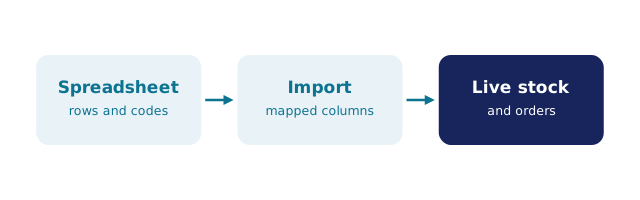
What settles the fork is the handoff: whichever way you split it, invoices must move from operations to the ledger complete — line detail, GST treatment, payment status mirrored back. A suite without a real inventory workflow and a standalone without a real accounting bridge are the same problem wearing different prices. The accounting record page covers what the bridge must carry, and the Xero version makes it a checklist.
Where BSimple fits
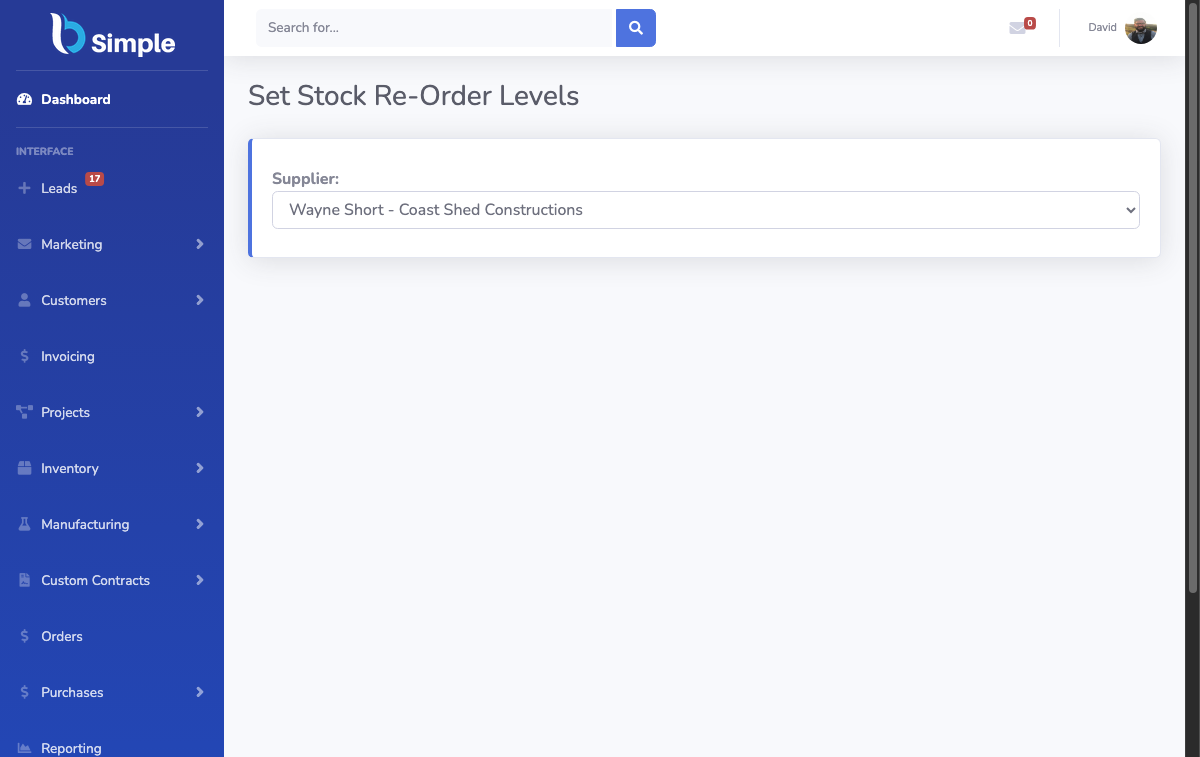
We build BSimple, so weigh that. It takes the inventory half for small businesses: live multi-location quantities with allocation and negative-stock guardrails, orders with a customer portal, purchase orders from demand, batch traceability, counts from any phone browser — and the accounting handoff designed in: approved invoices push to Xero or MYOB, payment statuses mirror back, US systems rolling out. The ledger stays exactly where the bookkeeper lives. Plans start at $180/month (AUD), and the free trial tests the handoff with your own invoices.
The honest reverse: if your inventory need is genuinely basic — a list, occasionally counted — the basic free options and the accounting product's own features may be enough, and staying free is a fine answer. The free stock audit helps you tell which side of that line you are on.
Frequently Asked Questions
Can one tool do accounting and inventory well?
At small scale, accounting tools do the books well and inventory thinly. At the point orders allocate stock and shelves get counted, the dedicated inventory side earns its keep — which is why most growing product businesses land on two tools with a clean handoff rather than one suite stretched thin.
Does BSimple replace our accounting software?
No — deliberately. The ledger, BAS and compliance stay in Xero or MYOB; BSimple runs stock, orders, purchasing and the portal, and feeds the ledger through approved invoices and reconciled bills. The accountant keeps their tools and their workflow.
What does the combination cost?
Accounting at its own price plus BSimple from $180/month (AUD) — flat, with the operations features included. The honest comparison is against the re-keying and reconciliation the split handoff removes, not against either licence line alone.
How do we trial the pairing?
Close one month-end with it: push real invoices, reconcile real supplier bills, count one shelf, and let the bookkeeper judge the inputs. The vendor guide turns the pairing into a three-trial process — ours included, judged by the same tests.

BSimple