
Comparison / Zoho
Zoho order management software: an honest comparison
Different products, different centres of gravity — Zoho's suite and channel flow versus BSimple's operational record. The axes that decide it, without invented feature tables.
The key facts
- Zoho's order tooling lives inside the global Zoho ecosystem, alongside its own accounting (Zoho Books) — a suite gravity that is the whole product for businesses already inside it.
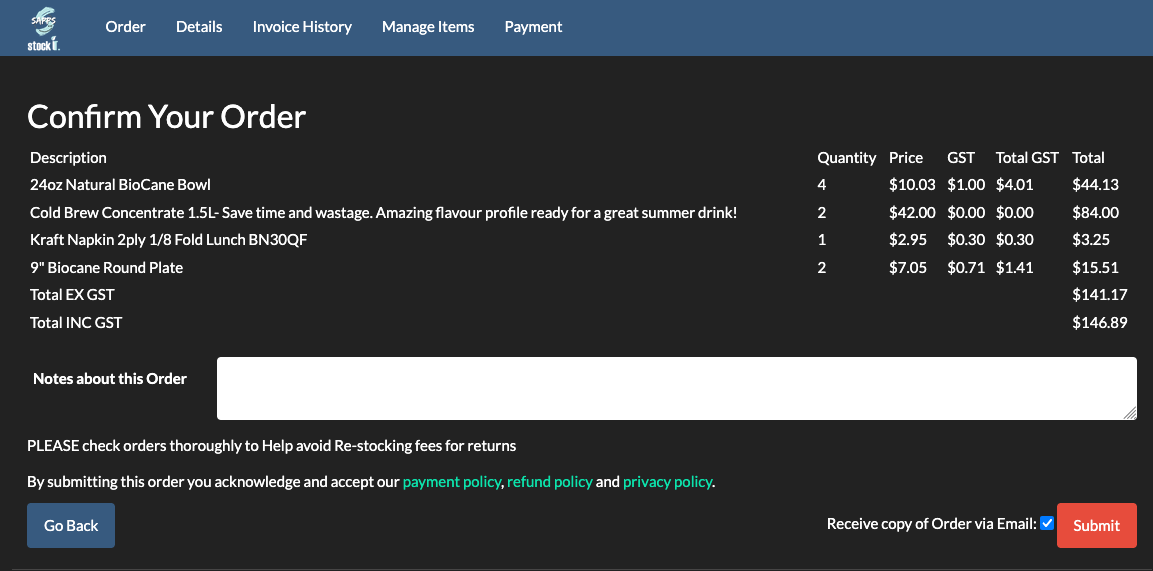
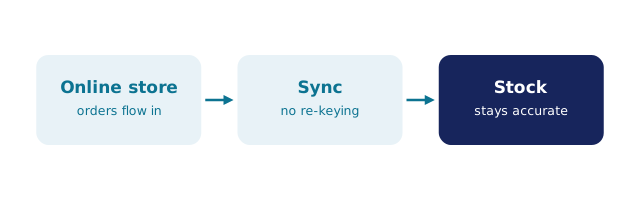
- BSimple's gravity is the operational record: orders from portals or Shopify webhooks, pick/pack, stock deduction, invoicing to Xero and MYOB.
- No fabricated comparisons here: pricing, review scores and feature tables for competitors belong on the vendor's own site; the axes below are what actually decide.
- The accounting question eliminates fastest: books in Zoho Books pull one way; books in Xero or MYOB pull the other.
- Where it fits: this page is one step of the order management walkthrough.
- 01The key facts
- 02What Zoho order management is, without the spin
- 03The comparison axes that actually decide
- 04Deciding on your numbers, not a grid
What Zoho order management is, without the spin
Zoho builds a family of business software — CRM, accounting, inventory and order tools — that share one ecosystem. Its order-management strength sits where the suite sits: orders flowing in from sales channels, fulfilment coordination, and tight coupling with Zoho's own accounting product. For a business that has decided to live inside the Zoho world, that cohesion is genuinely valuable — one vendor, one login family, tools that share data natively.
This page will not quote Zoho pricing, review scores or a feature grid; those change and second-hand versions mislead. What can be compared honestly is structural — where your orders originate, and which record they need to be true against.
The comparison axes that actually decide
Where do your orders originate? Marketplace and online-store orders suit channel-connected tools — Zoho's home ground. Orders phoned in by trade customers, repeat wholesale lists at negotiated pricing, and customers ordering through their own portal are operations-record territory, which is BSimple's.
What does fulfilment need? If "fulfilment" means shipping notifications, either works. If it means picking sequences, packing slips, partial shipments, and quantities that deduct once, deliberately, against live multi-location stock — that is an operations record, and it is the layer BSimple exists to run. The order-management comparison applies the same axes to the broader market.
Where do the books live? BSimple's established handoff is Xero and MYOB — invoices push after approval, payment status mirrors back — with US accounting integrations rolling out. Books in Zoho Books pull the other way, and no comparison should pretend a missing accounting integration is a detail.
What is being ordered? Goods with batches, expiry or production behind them — food, cosmetics, anything made — need the batch/recipe layer (the manufacturing depth), which is core BSimple rather than an add-on.
Deciding on your numbers, not a grid
Load the same five orders and the same ten products into both systems and run a week: which surfaces the truth your business actually runs on, and which makes you maintain its assumptions? We build BSimple, so weigh that — and the trial is free (the full product, an afternoon). For the inventory-side comparison, the Zoho inventory page covers the same ground from the stock record's side.
Frequently Asked Questions
Is Zoho good for order management?
Inside its own ecosystem, for channel-led order flow — reasonably so, and we will not manufacture doubts. The honest test is your order origin: marketplace/storefront orders versus trade orders needing wholesale pricing and portal self-service. Choose by where your volume actually comes from.
Does BSimple integrate with Zoho Books?
The established accounting handoff is Xero and MYOB; US accounting integrations are rolling out. Zoho Books is not an established BSimple integration — if your books are there, weigh that as a deciding factor rather than hoping for a bridge.
Which is cheaper?
We do not quote competitors' pricing — it changes and misquoting helps nobody. BSimple is $180/$250/$399 per month AUD with core features included. Price both at your real shape: order volume, users, locations, and the accounting subscription each path implies.
Can BSimple handle Shopify orders the way Zoho does?
BSimple imports Shopify orders by webhook into the operational flow — slips, pick/pack, stock deduction — with invoicing between Shopify and your accounting system. What it does not do is run the storefront; if you want channel management inside the same suite as your books, that is the Zoho-shaped answer.
Can we trial both before deciding?
That is the correct move, and it is cheap: BSimple's trial is the full product with no card, and any vendor who will not let you do the same has told you something. Run the same orders through both and grade the record each leaves behind.

BSimple