Understanding What Software Is Needed For Small Business
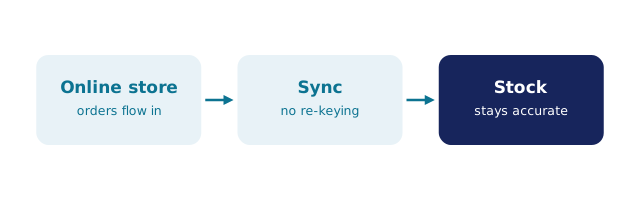
- Xero integration for seamless accounting and inventory synchronisation without manual reconciliation
- Automated purchase order generation triggered by inventory thresholds to prevent stockouts
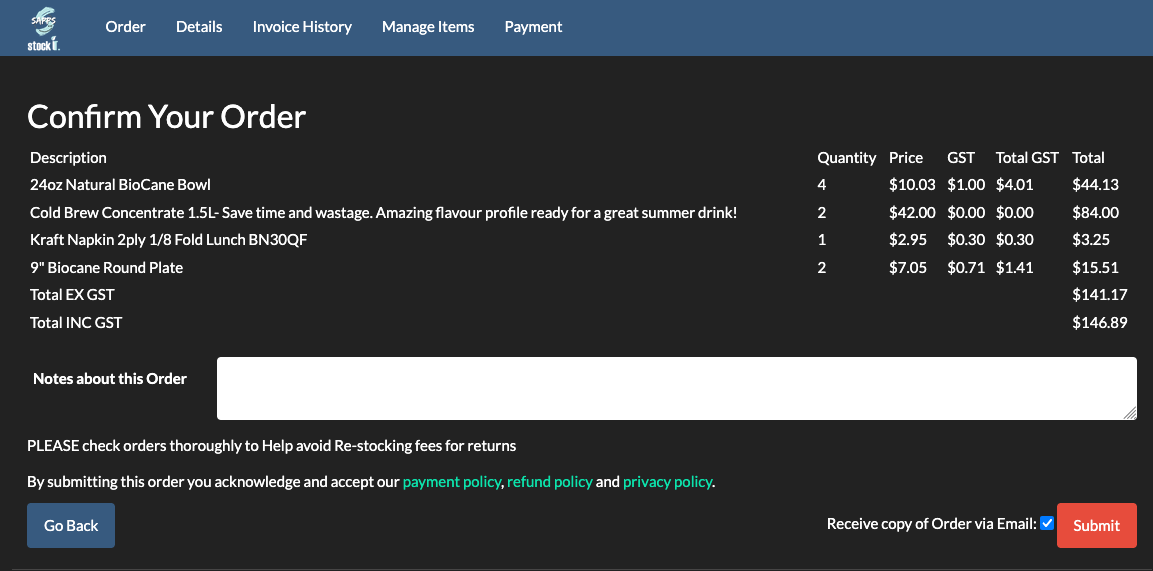
- Customer ordering portals enabling self-service ordering and real-time stock visibility
- Negative inventory tracking showing oversold items and backordered products clearly
- Just-in-time inventory management reducing working capital and storage costs significantly
- Comprehensive stocktake management with barcode scanning for accurate EOFY counts
- Multi-location inventory tracking across warehouses, retail locations, and distribution points
Running a small business in Australia means juggling multiple responsibilities, and without the right software tools, you’re essentially trying to manage operations with one hand tied behind your back. Whether you’re a Sydney coffee roaster, a Melbourne manufacturing outfit, or a distribution business servicing regional areas, the software you choose directly impacts your bottom line, efficiency, and ability to scale.
The challenge most Australian small business owners face is that there’s no one-size-fits-all answer. Your software needs depend on what you actually do—but there are some fundamental categories every small business should consider. At the core, you’ll need accounting software to manage your finances and stay compliant with GST requirements and EOFY obligations. Beyond that, the specifics vary wildly. A wholesale business needs completely different tools than a service-based operation, and that’s where understanding your actual pain points becomes critical.
The real question isn’t “what software exists?” but rather “what software solves my specific problems?” Many small business owners waste time and money adopting trendy tools that don’t address their core challenges. Instead, you should focus on software that eliminates manual work, reduces errors, and gives you visibility into what’s actually happening in your business. This might include accounting platforms, inventory management systems, customer relationship management tools, and order management solutions. The key is integration—software that talks to your other tools rather than creating isolated data silos. Inventory management software becomes particularly crucial if you’re holding stock, as it directly impacts cash flow and your ability to fulfil customer orders on time.
The Essential Software Categories Every Small Business Needs
Let’s start with the non-negotiables. Every Australian small business needs accounting software, and most are already using Xero or MYOB. These platforms handle invoicing, expense tracking, and GST compliance—essential for keeping the ATO happy and understanding your financial position. But accounting software alone isn’t enough if you’re in wholesale, manufacturing, or distribution.
The next critical layer is order and inventory management. If you’re managing stock—whether that’s raw materials for manufacturing, finished goods for distribution, or products for wholesale—you need visibility into what you have, where it is, and what’s coming in. This is where many Australian SMBs struggle. Without proper systems, you end up with spreadsheets that nobody trusts, stocktakes that take forever, and the constant fear that you’re either overstocked or about to disappoint a customer with “out of stock” messages.
Customer relationship management (CRM) software helps you track interactions, manage leads, and maintain relationships with your key accounts. For wholesale and distribution businesses, this often integrates with order management—your customers need to be able to place orders easily, and you need to track their preferences and history. Customer ordering portals have become increasingly important, allowing your clients to browse products, check stock levels, and place orders without ringing you up.
Then there’s the operational backbone: project management or task management software to keep your team coordinated, time tracking if you’re billing by the hour, and document management to keep everything organised. The software landscape for small business is vast, but the key is choosing tools that actually integrate with each other and reduce manual data entry. When your accounting software, inventory system, and order management platform all talk to each other seamlessly, you’ve eliminated a massive source of errors and wasted time.
Specialised Software For Wholesale And Distribution Operations
For wholesale, manufacturing, and distribution businesses specifically, the software requirements get more sophisticated. You’re not just tracking sales—you’re managing supply chains, coordinating with multiple suppliers, and ensuring you can fulfil customer orders reliably. This is where automated purchase order generation becomes genuinely valuable. Instead of manually creating POs when stock runs low, your system can trigger them automatically based on predetermined thresholds, ensuring you never run out of critical items.
Just-in-time inventory management is particularly relevant for Australian manufacturers and distributors looking to minimise working capital tied up in stock. Rather than holding months of inventory “just in case,” you can receive stock more frequently and in smaller quantities, reducing storage costs and the risk of obsolescence. This requires robust forecasting capabilities and reliable supplier relationships, but the financial benefits are substantial. Software that tracks negative inventory—showing you when you’re oversold or backordered—helps you make better purchasing decisions and communicate accurately with customers about delivery timeframes.
Stocktake management becomes critical around EOFY when you need accurate inventory counts for tax purposes and financial reporting. Manual stocktakes are labour-intensive and error-prone, particularly if you’re managing thousands of SKUs across multiple locations. Modern inventory software uses barcode scanning and cycle counting to maintain accurate records throughout the year, making your annual stocktake significantly faster and more reliable. For a Melbourne brewery managing raw materials, packaging, and finished goods across a warehouse and retail location, this difference is the difference between a two-week stocktake nightmare and a manageable process.
The integration with Xero is particularly important here. Your inventory software should automatically feed cost of goods sold data into your accounting system, giving you accurate profit margins and making your financial reporting effortless. When your order management, inventory, and accounting systems are properly integrated, you get real-time visibility into your financial position—you know exactly how much cash is tied up in stock and what your actual profitability is by product line.
Additional Tools And Integration Considerations
Beyond the core operational software, there are several other tools worth considering depending on your specific situation. Email marketing software helps you stay in touch with customers and promote new products—particularly valuable if you’re in wholesale and want to encourage repeat orders. Analytics and reporting tools give you insights into trends, customer behaviour, and operational efficiency. Many of these are built into your core platforms now, but standalone tools can provide deeper analysis.
Payment processing software is essential if you’re taking online orders or accepting card payments. Integration with your accounting system means payments are automatically recorded, reducing reconciliation work. For B2B businesses, this might also include credit management tools to track customer payment history and set credit limits appropriately.
Communication and collaboration tools—whether that’s Slack, Microsoft Teams, or simpler options—keep your team coordinated, particularly if you have people working across multiple locations or remotely. For a distribution business with a warehouse team and office-based sales staff, these tools eliminate the constant back-and-forth about stock availability and customer requests.
Document management and e-signature tools streamline processes like purchase orders, delivery dockets, and customer agreements. Rather than printing, signing, and scanning documents, you can manage everything digitally, which is faster and creates a better audit trail. This is particularly relevant for Australian businesses managing compliance requirements and dealing with customers across different states.
The final piece is training and support. The best software in the world doesn’t help if your team doesn’t know how to use it properly. Look for vendors who provide good documentation, training resources, and responsive support. Australian businesses appreciate vendors who understand local requirements—GST compliance, EOFY processes, and the specific challenges of managing operations across a geographically dispersed country. When you’re evaluating software, consider not just the features but whether the vendor understands your industry and your market. A system purpose-built for wholesale and distribution, with features like just-in-time inventory management and automated PO generation, will serve you far better than a generic business management platform.
Frequently Asked Questions
What’s the most important software for a small manufacturing business?
Accounting software (like Xero) is essential for compliance, but inventory and order management software is equally critical. Manufacturing businesses need visibility into raw materials, work-in-progress, and finished goods to manage cash flow and meet customer deadlines effectively.
Can I use spreadsheets instead of proper software?
Technically yes, but it becomes increasingly painful as you grow. Spreadsheets are error-prone, don’t scale, create data silos, and waste enormous amounts of time on manual updates. Most Australian business owners who’ve made the switch to proper software wonder why they didn’t do it sooner.
How important is Xero integration?
Extremely important if you’re already using Xero (which most Australian SMBs are). Integration eliminates duplicate data entry, ensures your financial records match your operational reality, and gives you accurate profit margins and cash flow visibility without manual reconciliation.
Do I need separate software for each function or one integrated platform?
Integrated platforms are generally better because they eliminate data silos and manual updates. However, the best tool for one function might not be the best for another. The key is choosing tools that integrate well with each other rather than forcing yourself into a suboptimal solution just for integration’s sake.
What software features matter most for wholesale businesses?
Customer ordering portals, automated purchase order generation, inventory tracking across multiple locations, and integration with your accounting system are critical. You also need reliable forecasting to manage just-in-time inventory effectively and avoid stockouts.
How do I know if I need to upgrade my current software?
If you’re spending significant time on manual data entry, struggling to answer basic questions about inventory or profitability, or dealing with frequent errors and discrepancies, it’s time to upgrade. Growing businesses particularly need software that scales with them.
Is cloud-based or on-premise software better for small businesses?
Cloud-based is generally better for small businesses. It’s cheaper, requires no IT infrastructure, updates automatically, and you can access it from anywhere—crucial for businesses with distributed teams or multiple locations across Australia.