
Definition / BMS
What is BMS ID? The acronym, decoded
BMS usually means business management system — the software that runs stock, orders and invoices on one record. An ID in that world is the unique key that makes a record findable. Here are the meanings, sorted.
The key facts
- BMS, primary meaning: business management system — operations software: inventory, orders, purchasing, invoicing on one record.
- BMS, other meanings: building management system (facilities), battery management system (energy), bone marrow suppressive (medical). Context decides.
- An ID in a business system: the unique key identifying a record — customer ID, product ID, order ID — so everything references the same thing.
- Why IDs matter: they are what makes an audit trail, an API, and traceability possible.
- Context: the full inventory system holds the wider system, this page one stop in it.
- 01The key facts
- 02What BMS means — all of it
- 03What an ID does in a business management system
- 04BSimple, in this vocabulary
What BMS means — all of it
In business software, BMS means business management system: the layer that runs a company's operations — inventory, purchasing, orders, customer portal, invoicing — on one shared record, with accounting handled by a connected system like Xero or MYOB. The full definition covers it; the diagram version draws it.
The acronym is contested, though, and worth disambiguating: in facilities, BMS means building management system (air-conditioning, lighting, alarms); in energy, battery management system; in medicine, other things again. If you arrived here from a facilities or energy context, the rest of this page will still make sense — but the software behind those meanings is different, and we will not pretend otherwise.
And "ID"? In every case it is the same idea: an identifier — a unique value that says this record and no other.
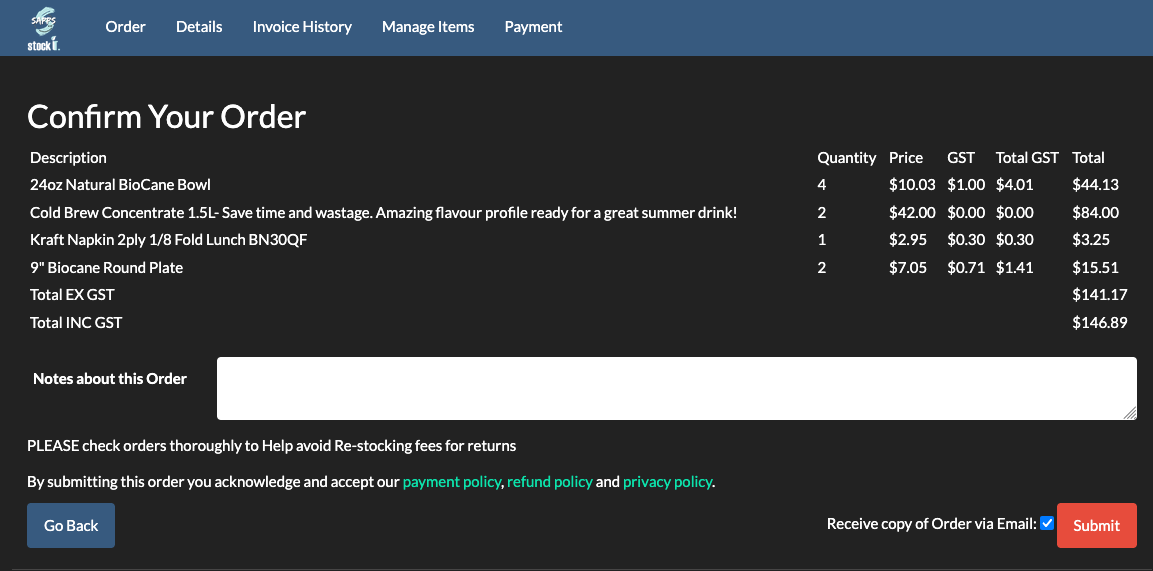
What an ID does in a business management system
- Names a record uniquely. Customer ID, product ID, order ID, batch ID — so "the blue ones" never decides anything.
- Makes references safe. An order references a customer ID and product IDs; rename anything, and the references still resolve.
- Powers the audit trail. Every movement says which user, which product ID, which order ID, when — the answer to "what happened here" is a query, not an investigation.
- Enables APIs. A public REST API fetches records by ID; without stable IDs, no integration and no AI-assistant access works reliably.
- Makes traceability possible. A batch ID is what links a finished sale back to its inputs and forward to its customers.
Practical note for shoppers: sequential IDs are fine; meaningful codes (SKU, customer code) are for humans, and a good system carries both — the key for the machine, the code for the shelf label.
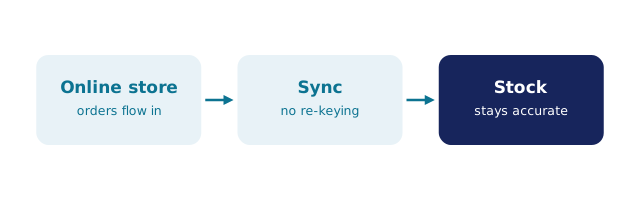
BSimple, in this vocabulary
We build BSimple, so weigh that — and the name finally explains itself. BSimple is a BMS in the business sense: one record for inventory, orders, purchasing and invoicing, with every product, customer, order and batch carrying its own ID, and the audit trail built on those keys. IDs are also what let your own tools and AI assistants read the record through the API with scoped keys. Plans start at $180/month (AUD), and the trial shows the machinery — IDs, records, references — running on your own data.
Frequently Asked Questions
What does BMS stand for?
In business software: business management system — operations software holding stock, orders, purchasing and invoicing on one record. The same acronym also covers building management systems (facilities) and battery management systems (energy), so context decides.
What is an ID in a business system?
The unique key identifying a record — customer, product, order, batch. IDs make references stable, audit trails possible, and API integrations reliable. Human-readable codes (SKUs, customer numbers) sit alongside them for people.
Is BSimple the same as the BMS in buildings?
No — building management systems control air-conditioning and lighting; BSimple is a business management system for stock and orders. The acronym overlap is unfortunate and best resolved by context.
Where can I see a BMS with proper IDs and records?
The BSimple trial runs the full product on your own data — products, customers, orders and batches each with IDs, an audit trail beneath, from $180/month (AUD) if it fits.

BSimple