Warehouse Management System Wms Examples Designed for Distributors
- Cloud-based access from anywhere, no server installation or IT maintenance required for Australian businesses
- Xero integration that automatically syncs inventory movements with accounting records for GST compliance
- Customer ordering portals giving clients 24/7 access to check stock and place orders independently
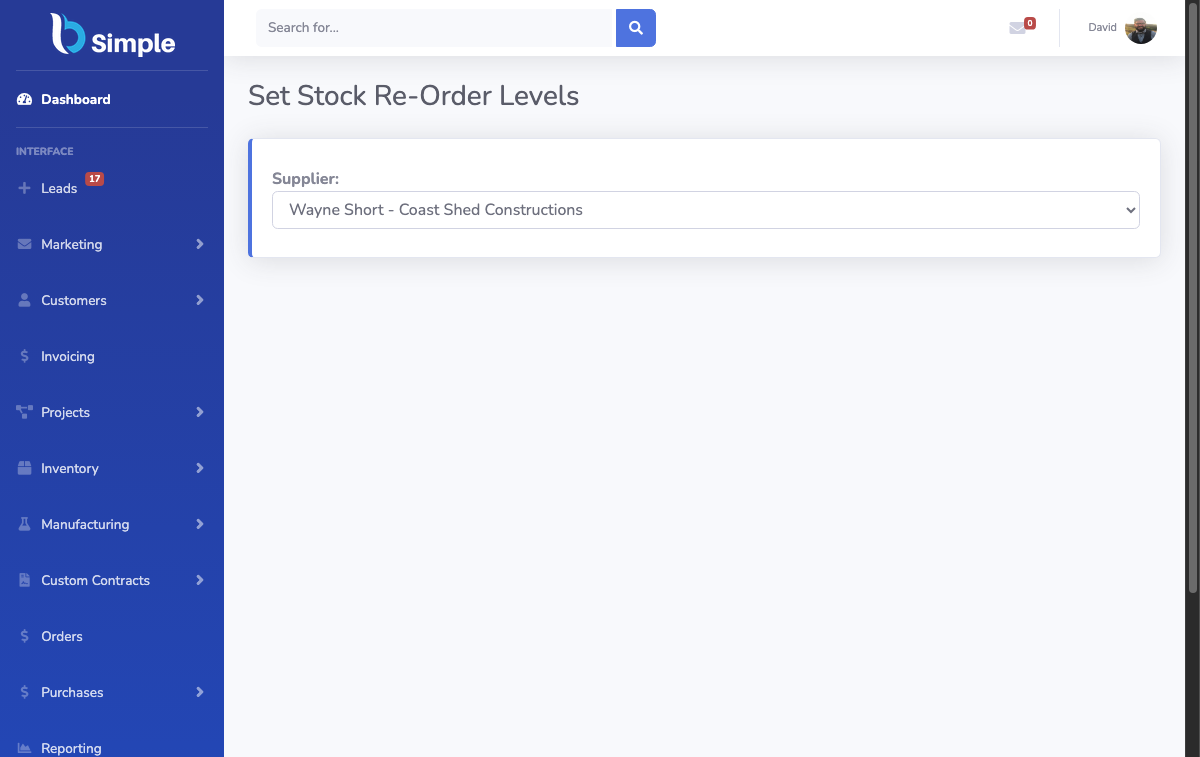
- Automated purchase order generation when stock hits reorder points, eliminating manual ordering
- Multi-location warehouse tracking with real-time visibility across all facilities and stock transfers
- Negative inventory tracking that flags overselling situations so you can manage them proactively
- EOFY stocktake management that reduces stocktake time from weeks to days through automated tracking
When it comes to warehouse management system WMS examples designed for Australian distributors, understanding real-world implementations is crucial to making the right choice for your business — see also our Order Management System for the full picture of how inventory and orders work together seamlessly. A warehouse management system isn’t just about tracking stock; it’s about creating an efficient operation that keeps your business moving, reduces errors, and actually saves you money. Whether you’re running a Sydney coffee roaster managing bean inventory across multiple locations, a Melbourne brewery coordinating stock between production and distribution, or an Australian manufacturing business juggling raw materials and finished goods, the right WMS example can transform how you operate. The best warehouse management systems go beyond basic stock counting. They integrate with your accounting software, automate purchasing decisions, give your customers real-time visibility into orders, and help you manage everything from negative inventory scenarios to complex EOFY stocktakes. BSimple has spent years working with Australian SMBs to understand what actually works in practice, and we’ve built our cloud-based WMS with these real-world challenges in mind. This guide walks you through practical WMS examples that show how distributors and manufacturers are solving their biggest inventory headaches.
Understanding Warehouse Management Systems in Practice
What Makes a Good Warehouse Management System Example?
Not all warehouse management systems are created equal, and what works brilliantly for a large enterprise might be overkill for a growing Australian distributor. The best WMS examples share common characteristics that actually matter to mid-sized businesses: they’re cloud-based for accessibility, they integrate seamlessly with your existing tools (especially Xero for accounting), they automate the tedious bits, and they give you visibility without overwhelming you with data. A solid WMS example should handle multiple warehouse locations, track stock in real time, manage purchase orders automatically, and support customer ordering portals so your clients can place orders whenever they need to. Consider a typical Melbourne brewery scenario: they need to track grain, hops, and bottles across their production facility and distribution warehouse. A good WMS would automatically flag when grain stocks drop below reorder points, generate purchase orders to their supplier, track stock through production, and let their distributor partners see availability in real time. That’s not fancy tech; that’s practical business sense. The real value emerges when your WMS talks to your accounting system. Xero integration means your inventory movements automatically update your financial records, eliminating manual data entry and the errors that come with it. GST compliance becomes straightforward because your stock movements are recorded accurately, and EOFY stocktakes become manageable rather than chaotic. Australian businesses face unique challenges around tax compliance and seasonal trading patterns, and your WMS should be built with these realities in mind rather than treating them as edge cases.
Real WMS Examples Solving Australian Distribution Challenges
Real-World WMS Examples for Distributors
Let’s look at some practical warehouse management system examples that show how Australian distributors are solving real problems. Take a Sydney-based food distributor working with 200+ retail customers across New South Wales. They needed visibility into stock levels across three warehouses, the ability to generate customer invoices automatically, and a way to manage negative inventory situations when stock runs out unexpectedly. Their old system involved spreadsheets, phone calls, and frustrated customers. By implementing a cloud-based WMS with customer ordering portals, they automated order processing, reduced manual data entry by 70%, and gave customers 24/7 access to check stock and place orders. That’s a game changer for a business operating on thin margins. Another example comes from a manufacturing business in Brisbane that produces industrial components. They were struggling with just-in-time inventory management — keeping enough raw materials on hand without tying up cash in excess stock. Their WMS now automatically calculates reorder points based on production schedules, generates purchase orders when thresholds are hit, and tracks materials through each production stage. The negative inventory tracking feature proved essential; when they occasionally oversell (which happens in manufacturing), the system flags it immediately so they can communicate with customers rather than discovering the problem during fulfillment. For Australian manufacturers managing EOFY stocktakes, this automated tracking means stocktake time drops from weeks to days because the system already knows what should be where. A third example involves a Perth-based wholesale clothing distributor managing seasonal inventory. Their WMS helps them understand which styles are moving, which are stagnant, and when to mark down slow-moving stock. The automated reporting shows them exactly what’s sitting in the warehouse, helping them make smarter purchasing decisions for next season. These aren’t theoretical benefits; they’re the results Australian businesses are actually achieving. Check out our Inventory Management features to see how these examples apply to your situation.
WMS Integration with Xero and Your Accounting System
How WMS Examples Integrate with Your Accounting
One of the biggest misconceptions about warehouse management systems is that they’re separate from your accounting. In practice, the best WMS examples integrate tightly with your accounting software, and if you’re using Xero (which most Australian SMBs are), this integration becomes essential. When your WMS is properly integrated with Xero, every stock movement automatically updates your financial records. A customer places an order through your portal, the WMS picks and packs it, and Xero automatically records the inventory adjustment and generates the invoice. No manual data entry. No discrepancies between what your warehouse thinks you have and what your accounting system says you have. This matters enormously for Australian businesses managing GST compliance. Your stock movements need to be accurate for tax purposes, and manual processes introduce errors that create headaches during EOFY reconciliation. A good WMS example shows how automated inventory tracking eliminates these reconciliation nightmares. Consider a manufacturing business in Adelaide that produces specialty components. They have raw materials coming in, work-in-progress at various production stages, and finished goods ready for dispatch. Their WMS tracks all of this, and the Xero integration means their balance sheet always reflects actual inventory values. When EOFY arrives, they don’t need to shut down for a week-long stocktake; they run a quick verification count to confirm the system is accurate, and they’re done. That’s worth thousands of dollars in productivity. The automated purchasing feature works similarly. When stock hits reorder points, your WMS generates a purchase order, which flows into your accounting system, and you have a complete audit trail from order to receipt to invoice. For Australian businesses that need to demonstrate proper inventory controls (whether for tax purposes, supplier relationships, or internal governance), this transparency is invaluable. Our Xero integration handles all of this seamlessly, meaning you get the benefits without the technical complexity.
Finding the Right WMS Example for Your Business
Choosing the Right WMS Example for Your Business
When you’re evaluating warehouse management system examples for your business, focus on what actually matters rather than impressive-sounding features you’ll never use. Start by identifying your biggest pain points. Are you struggling with manual order processing? Do you have visibility problems across multiple locations? Is EOFY stocktaking a nightmare? Are customers frustrated because they can’t see stock availability? Different WMS examples solve different problems, and the right system for a Sydney coffee roaster managing bean inventory is different from what a manufacturing business needs. Cloud-based WMS examples offer significant advantages for Australian businesses. You don’t need to install software on servers, you don’t need an IT team to maintain it, and you can access it from anywhere — crucial if you have multiple warehouse locations or staff working remotely. Security and data backup are handled by the cloud provider, which matters for compliance and peace of mind. Customer ordering portals are a feature worth prioritising. When your customers can log in, see real-time stock levels, and place orders themselves, you reduce phone calls and emails, and they get better service. This is especially valuable for distributors serving retail chains or other businesses that operate outside normal business hours. Automated purchase order generation saves time and reduces errors. When your system automatically creates POs when stock hits reorder points, you’re never caught short, and you’re not manually generating dozens of purchase orders each week. Negative inventory tracking might sound like an edge case, but it’s essential for any business that occasionally oversells or has stock discrepancies. Rather than ignoring the problem, your WMS flags it so you can manage it proactively. Finally, ensure your WMS integrates with the tools you already use. Xero integration is non-negotiable for Australian businesses, but you might also need integration with your CRM, shipping software, or other business systems. The best WMS examples demonstrate how all your business systems work together as one coherent platform rather than isolated tools requiring manual data transfers. Explore our full feature set to see how BSimple brings all these elements together for Australian distributors and manufacturers.
Frequently Asked Questions
What is a warehouse management system and why do I need one?
A WMS is software that tracks inventory, automates ordering, and manages warehouse operations. Australian distributors and manufacturers need one to reduce manual errors, improve visibility, automate purchasing, and streamline EOFY stocktakes. It saves time and money while improving customer service.
How does WMS integration with Xero benefit my business?
Xero integration means every inventory movement automatically updates your financial records. This eliminates manual data entry, ensures GST compliance accuracy, simplifies EOFY reconciliation, and gives you real-time visibility into inventory values on your balance sheet without duplicate work.
Can a WMS help with negative inventory situations?
Yes. A good WMS tracks negative inventory and flags it immediately so you can communicate with customers proactively rather than discovering problems during fulfillment. This is especially valuable for businesses that occasionally oversell or experience unexpected stock discrepancies.
What features should I prioritise in a WMS example?
Prioritise cloud-based access, Xero integration, customer ordering portals, automated purchase order generation, real-time stock tracking across multiple locations, and EOFY stocktake management. These features directly solve pain points for Australian SMBs.
How long does it take to implement a WMS?
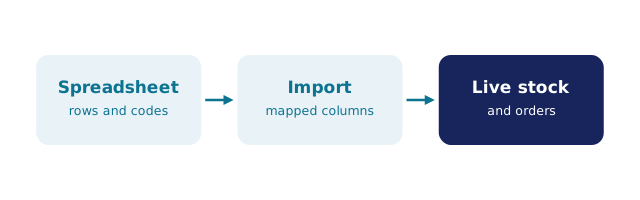
Cloud-based WMS systems like BSimple typically go live within weeks rather than months. There’s no complex server installation or lengthy IT implementation. You set up your warehouse structure, import your stock data, and start using it — much faster than traditional systems.
Will a WMS work if I have multiple warehouse locations?
Absolutely. Modern cloud-based WMS examples are designed for multi-location operations. You can track stock across all warehouses in real time, manage transfers between locations, and give customers visibility into stock availability at each facility.
How does automated purchasing work in a WMS?
You set reorder points for each product. When stock drops below that level, your WMS automatically generates a purchase order and sends it to your supplier. This ensures you never run out of stock while avoiding excess inventory that ties up cash.