Affordable Purchase Order Management Software For Small Business
  • Automated PO generation based on inventory thresholds and just-in-time reorder points for optimal stock levels
  • Seamless Xero integration ensuring purchase orders flow directly into accounting records and financial reporting
  • Negative inventory tracking that alerts you immediately when stock is oversold or committed incorrectly
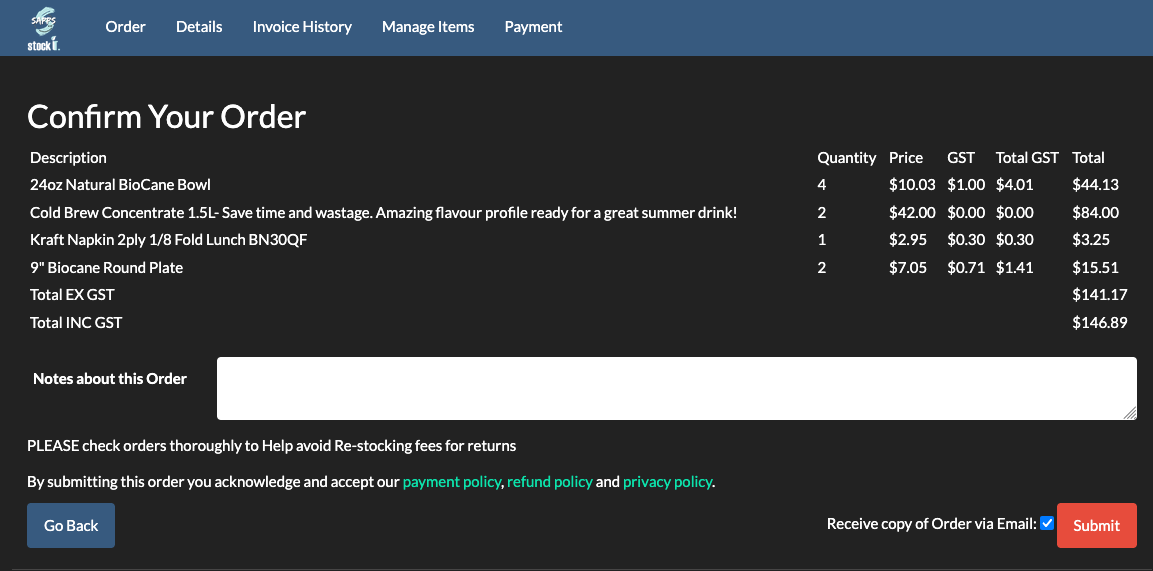
  • Customer ordering portals allowing wholesale buyers to place orders directly with real-time stock visibility
  • Comprehensive stocktake management supporting EOFY reconciliation and GST compliance requirements
  • Multi-supplier management with support for different lead times, minimum orders, and pricing structures
  • Automated invoice reconciliation matching purchase orders against supplier invoices and received goods

Welcome to our guide on purchase order management software for small business — see also our Inventory Management Software for the full picture. If you’re running a wholesale, manufacturing, or distribution business in Australia, you know how chaotic purchase orders can become when you’re juggling multiple suppliers, varying lead times, and constantly changing stock levels. Without proper purchase order management, you’re likely dealing with manual spreadsheets, lost emails, duplicate orders, and frustrated suppliers wondering when their invoices will be paid. The good news? Modern purchase order management software has become genuinely affordable for small businesses, and it’s transformed how thousands of Australian SMBs operate. BSimple specialises in helping businesses like yours take control of their procurement process without the enterprise-level complexity or price tag. Whether you’re a Sydney coffee roaster managing bean suppliers, a Melbourne brewery coordinating ingredient orders, or a manufacturing business coordinating multiple vendors, the right purchase order software eliminates the guesswork and keeps everything organised. This isn’t about complicated workflows or months of implementation — it’s about getting a system that actually works for your business from day one.

Why Small Businesses Need Purchase Order Management

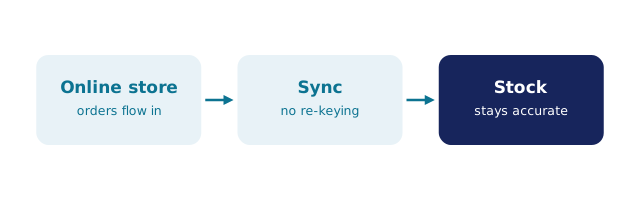
Let’s be honest: managing purchase orders manually is costing you money and time. Every spreadsheet that gets sent back and forth, every email that gets buried in your inbox, every duplicate order placed because you weren’t sure what was already ordered — these inefficiencies add up quickly. Small business owners often tell us they spend hours each week just tracking down information about outstanding orders, chasing suppliers for delivery dates, and reconciling what arrived against what was ordered. Purchase order management software changes this equation entirely. By centralising all your purchase order information in one place, you gain immediate visibility into what’s on order, when it’s arriving, and what you still need to source. For Australian businesses managing EOFY stocktakes and GST compliance, this visibility is invaluable. You can see exactly what inventory is committed in outstanding orders, which helps you avoid over-purchasing and unnecessary cash flow strain. The best part? When your purchase order software integrates seamlessly with your accounting system like Xero, your orders automatically flow through to your financial records. This means your stock levels, purchase commitments, and financial position are always aligned. No more reconciliation headaches or discovering discrepancies during stocktake. Many small businesses using Order Management Software report that they’ve reduced their order processing time by 60-70% and eliminated ordering errors almost entirely.

Key Features That Actually Make a Difference

When you’re evaluating purchase order management software for your small business, certain features genuinely matter more than others. Automated PO generation is a game-changer — instead of manually creating orders based on stock levels, your system can intelligently suggest purchase orders when inventory hits predefined thresholds. This just-in-time inventory approach means you’re not tying up capital in excess stock, but you’re also never caught short when demand spikes. Negative inventory tracking is another critical feature that many small businesses overlook until they’ve experienced the chaos it prevents. If you accidentally sell stock you don’t have, your system should flag this immediately and alert you to the problem. For distribution businesses and manufacturers, this prevents the nightmare scenario of promising delivery dates you can’t meet. Customer ordering portals might sound like a feature for larger businesses, but they’re incredibly valuable for small operations too. When your wholesale customers can log in and place orders directly, you eliminate phone calls, emails, and manual data entry. They see real-time stock availability, you get orders automatically recorded in your system, and everyone’s on the same page about pricing and availability. The integration with Xero that BSimple offers means your purchase orders, inventory movements, and financial records stay perfectly synchronised. You’re not manually entering data multiple times or trying to reconcile different systems at month-end. For Melbourne breweries managing ingredient orders or Sydney coffee roasters coordinating with multiple bean suppliers, this integration removes a significant administrative burden and reduces the risk of costly errors.

Streamlining Your Wholesale Operations

Wholesale and distribution businesses face unique purchase order challenges that generic software often doesn’t address well. You’re typically managing multiple suppliers with different ordering systems, minimum order quantities, and lead times. You’re tracking stock across different locations or warehouses. You’re managing both direct customer orders and your own inventory replenishment simultaneously. This complexity is exactly why BSimple was built specifically for wholesale, manufacturing, and distribution operations. Your purchase order software needs to handle scenarios like split shipments where a single order arrives in multiple deliveries, partial orders where you receive less than you ordered and need to adjust your inventory accordingly, and supplier returns where you’re sending stock back and need to track the credit. It should also support stocktake management, which is crucial for Australian businesses managing EOFY requirements and GST compliance. When you conduct a physical stocktake, your system should compare actual counts against recorded inventory and help you identify discrepancies. If you discover you have more or less stock than your system shows, you need to reconcile this quickly without disrupting your ongoing operations. The best purchase order software integrates this stocktake process seamlessly, so your inventory records stay accurate and your financial records reflect reality. Many small manufacturing businesses tell us that having reliable inventory data has actually improved their supplier relationships — they can provide accurate delivery commitments because they know exactly what they have in stock and what’s arriving.

Getting Started With Purchase Order Software

Getting started with purchase order management software shouldn’t require hiring a consultant or spending weeks on implementation. The best solutions for small business are designed for quick setup and rapid adoption. With BSimple, you typically have your core purchase order processes running within days, not months. The process usually starts with connecting your Xero account — since most Australian small businesses already use Xero for accounting, this integration point eliminates a major data migration headache. Your existing supplier information, product catalogue, and historical transaction data can flow directly into your purchase order system. Next, you’ll set up your key suppliers and define your ordering parameters — minimum order quantities, preferred lead times, reorder points for each product. Many small businesses find that just having these parameters clearly defined improves their purchasing discipline immediately. Then you’ll start using the system for new purchase orders, gradually building your transaction history and refining your processes based on what actually works for your business. One thing we hear consistently from small business users is that they wish they’d implemented purchase order software sooner. The time savings alone — not having to manually create purchase orders, chase suppliers for delivery dates, or reconcile orders against invoices — typically pays for the software within the first few months. Add in the reduction in ordering errors, the improved cash flow from better inventory management, and the peace of mind from having complete visibility into your purchase commitments, and it becomes clear why purchase order management software is no longer optional for serious small businesses. Whether you’re a wholesale distributor, manufacturer, or any business managing multiple suppliers and significant inventory, the investment in proper purchase order software is one of the smartest decisions you can make for your operation.

Frequently Asked Questions

What’s the typical cost of purchase order management software for small businesses?

Most modern purchase order software for small businesses costs between $50-200 per month depending on features and user count. BSimple offers affordable pricing specifically designed for small wholesale and manufacturing operations, with no hidden setup fees or lengthy contracts required.

Can purchase order software integrate with Xero?

Yes, quality purchase order software should integrate seamlessly with Xero. BSimple’s integration means your purchase orders automatically flow into your accounting records, eliminating manual data entry and ensuring your financial records always reflect your actual purchase commitments and inventory position.

How long does it take to implement purchase order software?

Implementation typically takes days, not months. Most small businesses can have their core purchase order processes running within a week of signup. Since BSimple integrates with Xero, your supplier and product data migrates automatically, significantly speeding up the setup process.

Is purchase order software suitable for very small businesses?

Absolutely. In fact, small businesses often see the biggest return on investment from purchase order software because they’re typically managing everything manually. Even a business with just 2-3 suppliers and basic inventory will benefit from centralised order tracking and Xero integration.

Can I track multiple suppliers and different lead times?

Yes, this is a core feature of proper purchase order software. You can set different reorder points, minimum order quantities, and lead times for each supplier and product combination. This helps you optimise your ordering strategy and maintain ideal inventory levels.

Does purchase order software help with stocktake management?

Yes, quality software includes stocktake features that help you reconcile physical counts against recorded inventory. This is particularly important for Australian businesses managing EOFY requirements and GST compliance, ensuring your financial records accurately reflect your actual stock position.

Will purchase order software reduce ordering errors?

Significantly. By automating order generation based on predefined parameters and eliminating manual spreadsheet entry, most businesses report reducing ordering errors by 80-90%. Negative inventory tracking also prevents the costly mistake of selling stock you don’t actually have.