
Comparison / BSimple
Inventory Management System Vs Erp: Features That Count
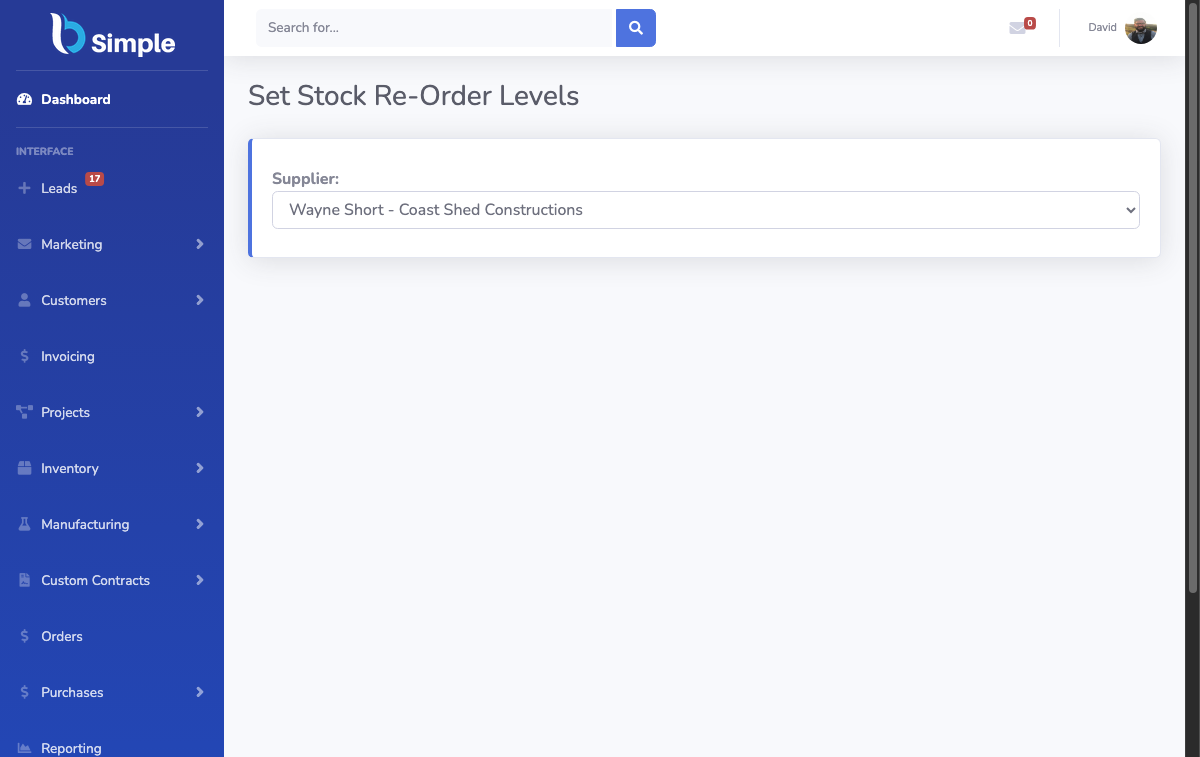
It tracks inventory levels in real-time, automates reordering, manages multiple warehouse locations, and gives you visibility into what's moving and what's sitting idle.
- Real-time inventory tracking across multiple warehouse locations with instant visibility into stock levels
- Seamless Xero integration automatically syncing stock movements to your accounting records
- Automated purchase order generation and supplier management reducing manual data entry
- Customer ordering portals enabling self-service ordering and reducing order processing time
- Just-in-time inventory management optimising cash flow and minimising holding costs
- Negative inventory tracking for pre-orders and back-orders with automatic notifications
- Stocktake management and EOFY reconciliation built for Australian compliance requirements
- 01Why Australian Businesses Are Choosing Focused Solutions
- 02Features Built for Australian SMBs
- 03Speed, Flexibility, and Real-World Practicality
Welcome to our guide on inventory management system vs ERP — see also our Inventory Management Software for the full picture. If you're running a wholesale, manufacturing, or distribution business in Australia, you've probably heard both terms thrown around. But here's the thing: they're not the same, and choosing between them can make a massive difference to how your business operates day-to-day. An inventory management system (IMS) is focused and laser-targeted on one job: managing your stock. It tracks what you've got, where it is, and when you need to reorder. It's straightforward, it does what it says on the tin, and it integrates beautifully with tools you're already using — like Xero for accounting. An ERP (Enterprise Resource Planning) system, on the other hand, is the Swiss Army knife of business software. It tries to do everything: inventory, accounting, HR, supply chain, customer management, manufacturing workflows, and more. Sounds great in theory, right? But here's where it gets tricky. ERP systems are expensive, complex, and often require months of implementation and training. They're built for large enterprises with dedicated IT teams and budgets to match. For most Australian SMBs — your Sydney coffee roasters, Melbourne breweries, and mid-sized manufacturers — an IMS that integrates with your existing tools is often the smarter, faster, and more cost-effective choice. In this guide, we'll break down the real differences, help you understand what you actually need, and show you why many Australian businesses are ditching bloated ERP systems in favour of focused, integrated solutions.
Why Australian Businesses Are Choosing Focused Solutions
Understanding the Core Differences
Let's cut through the jargon. An inventory management system is purpose-built to handle stock control. It tracks inventory levels in real-time, automates reordering, manages multiple warehouse locations, and gives you visibility into what's moving and what's sitting idle. It's the control centre for your stock. An ERP system is fundamentally different in scope and approach. It's an all-in-one platform that integrates inventory, accounting, purchasing, manufacturing, HR, and customer management into one massive database. The idea is that everything talks to everything else, eliminating data silos and manual data entry. That sounds brilliant in theory, but the reality is messier. ERP implementation typically takes 6-18 months, costs hundreds of thousands of dollars, and requires significant change management. Your team needs training, your processes need to be rebuilt to fit the system, and you're often locked into the vendor's way of doing things. An IMS, by contrast, is typically up and running within weeks. It's designed to be intuitive, it works the way your business actually operates, and it plays nicely with your existing tools. For Australian wholesalers and manufacturers, this flexibility is crucial. Your business isn't generic — you have unique workflows, customer requirements, and compliance needs (like EOFY stocktakes and GST tracking). A focused inventory system adapts to you; an ERP often forces you to adapt to it. The pricing difference is equally stark. An ERP system can cost $50,000 to $500,000+ in implementation alone, plus ongoing licensing and support fees. A modern cloud-based IMS typically costs a fraction of that — often a few hundred dollars per month — with no hidden implementation costs or lengthy contracts.
Features Built for Australian SMBs
Features That Actually Matter for Your Business
Here's what we've learned from working with hundreds of Australian wholesalers, manufacturers, and distributors: you don't need every feature under the sun. You need the features that solve your actual problems. A good inventory management system handles the core stuff brilliantly: real-time stock tracking, automated reordering, multi-location warehouse management, barcode scanning, and integration with your accounting system. But it also handles the nuanced stuff that matters to Australian businesses. Negative inventory tracking, for example — essential for pre-orders and back-orders. Just-in-time inventory management, which keeps your cash flow healthy by minimising holding costs. Automated purchase order generation that syncs directly with your suppliers. And seamless Xero integration, so your stock movements automatically flow into your accounting records without manual data entry or reconciliation headaches. An ERP system includes all these features, sure, but they're often buried in a sprawling interface, requiring custom configuration and specialist support to get working properly. You're paying for features you'll never use and complexity you don't need. When we work with Melbourne breweries, for instance, they need batch tracking, expiry date management, and ingredient-level inventory control. They don't need an HR module or a project management suite. When we work with Sydney wholesalers, they need customer ordering portals, automated invoicing, and fast reordering. They don't need manufacturing planning or resource scheduling. A focused cloud business management software solution lets you choose exactly what you need, configure it quickly, and pay only for what you use. That's the Australian way — practical, efficient, and no unnecessary frills.
Speed, Flexibility, and Real-World Practicality
For a closer look at how these capabilities fit together, our warehouse management software guide ties it all together, and the guide to vs warehouse walks through the practical details. Integration and Flexibility: The Real Game-Changer
Here's something ERP vendors won't tell you: integration is where the real pain happens. An ERP system is designed to be your single source of truth, which means everything feeds into it and everything comes out of it. Sounds good, but what happens when you need to connect to a specialist tool that the ERP doesn't natively support? You're looking at custom development, middleware solutions, or manual workarounds. For Australian businesses that use Xero for accounting, Shopify for e-commerce, or specialist tools for industry-specific needs, this becomes a real headache. A modern inventory management system takes the opposite approach. It's built to integrate with the tools you already love and use. Xero integration is seamless — stock movements automatically update your accounting records, purchase orders flow through, and your financial data stays accurate without manual intervention. If you're using a customer portal, it connects naturally. If you need to sync with your e-commerce platform, it does that too. This flexibility is crucial because your tech stack isn't static. As your business grows and evolves, you'll adopt new tools and retire old ones. An IMS adapts to your changing needs. An ERP locks you in. Implementation timelines tell the story. An ERP system? 6-18 months minimum. A modern cloud-based IMS? Often live and operational within 2-4 weeks. For Australian businesses operating in competitive markets — whether you're a distributor managing tight margins or a manufacturer with seasonal demand spikes — speed matters. You need visibility into your inventory now, not in 12 months' time. You need to respond to market changes quickly, not wait for a quarterly system upgrade. The flexibility of a focused inventory system means you can iterate, adjust, and optimise your processes continuously. You're not locked into a rigid implementation plan that was designed 18 months ago. You can respond to what's actually happening in your business, right now. This is why many Australian SMBs that started with ERP aspirations end up choosing order management software integrated with their existing tools instead. It's faster, cheaper, more flexible, and ultimately delivers better results.

Frequently Asked Questions
Is an inventory management system enough for a manufacturing business?
Absolutely. Modern IMS platforms handle batch tracking, component-level inventory, production scheduling, and work-in-progress tracking. They're purpose-built for manufacturing workflows and integrate seamlessly with Xero and other tools your business uses.
Can I upgrade from an inventory system to an ERP later?
Yes, though it's rarely necessary. Most Australian manufacturers and wholesalers find that a focused inventory system, integrated with Xero and other specialist tools, delivers everything they need without the complexity and cost of ERP migration.
What happens to my data if I switch from ERP to an inventory management system?
Your historical data remains intact. Modern systems can export and migrate your data cleanly. The transition is typically smooth, especially if you're moving to a system with strong Xero integration.
Do I need an ERP for multi-location inventory management?
No. Modern cloud-based inventory systems handle multiple warehouses, distribution centres, and retail locations seamlessly. You get real-time visibility across all locations without ERP complexity.
How does an inventory system handle GST compliance for Australian businesses?
A good IMS integrates with Xero, which manages GST automatically. Stock movements feed through to your accounting records, ensuring accurate GST reporting and EOFY reconciliation without manual intervention.
What's the typical implementation cost difference?
ERP systems typically cost $50,000–$500,000+ to implement. A modern cloud IMS costs a few hundred dollars monthly with no implementation fees, meaning you're operational within weeks, not months.
Can an inventory system integrate with my e-commerce platform?
Yes. Most modern systems integrate with Shopify, WooCommerce, and other platforms. Stock levels sync automatically, preventing overselling and keeping your online and offline inventory aligned.
BSimple