
Guide / multi-channel stock
Inventory management for ecommerce, across channels
Selling on a store, a marketplace and to trade customers means three places promising one shelf. Here is the record pattern that stops the oversell — and how BSimple runs it.
The short answer
- Every channel keeps its own count — the store, the marketplace, the phone, the portal — and copies drift; that drift is the oversell.
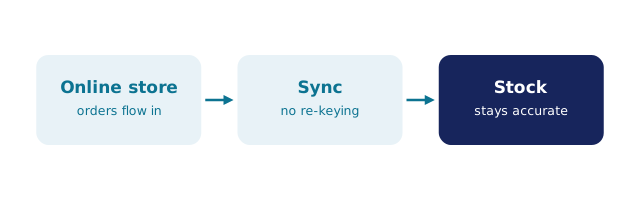
- The fix is a leading record: one live inventory that channels publish from and sell into.
- The operations behind the sale — receiving, picking, purchasing, wholesale — must write to the same record.
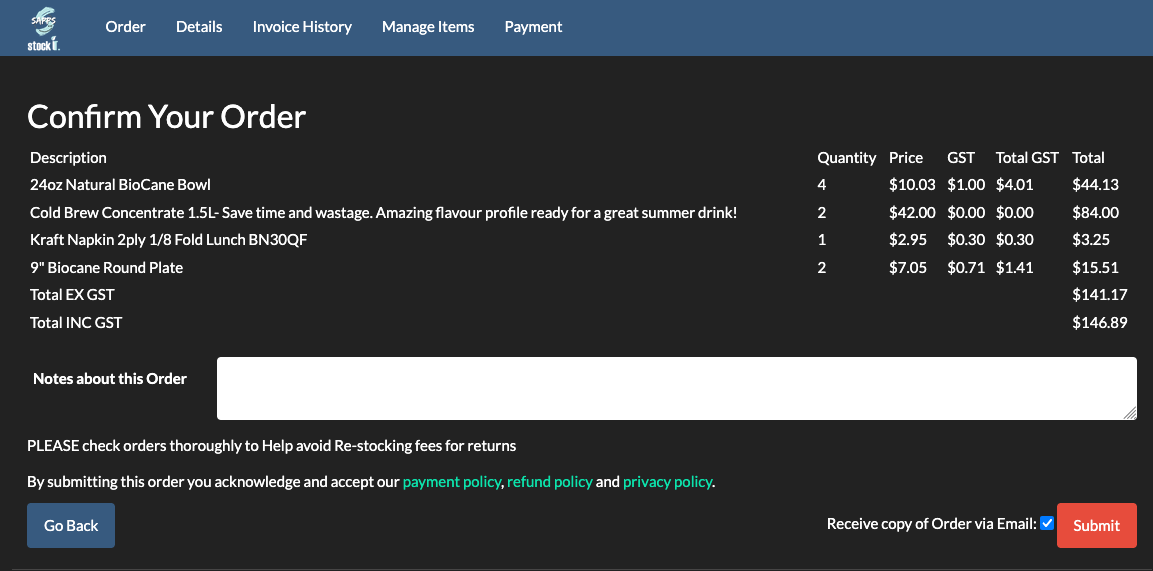
- BSimple imports Shopify orders via webhooks and runs that record, from $180/month (AUD).
- 01The short answer
- 02Why multi-channel oversells — and what stops it
- 03The operations the storefront never sees
Why multi-channel oversells — and what stops it
Each sales channel holds its own number: the online store thinks nine, the marketplace thinks eight, last night's phone order took one from both. Synchronising the copies helps and never fully works — sync has latency, latency has collisions, and the collision is the apology email. The structural fix is refusing to keep copies: one live record holds the truth; channels publish availability from it; every sale writes back into it before the next promise is counted.
Then the channel-external stock movements stop being invisible: the supplier delivery received at 7am updates the record the store reads from; the wholesale order through the trade portal reserves units the store can no longer sell; the cycle count corrects every channel at once. Overselling becomes structural impossibility rather than a vigilance contest. The ecommerce-website guide covers the store-plus-website pattern specifically.
The operations the storefront never sees
Ecommerce inventory is mostly behind the store: goods received against purchase orders; picking and packing with delivery slips; returns entering the record as ordinary movements; batch and lot detail where provenance matters; stocktakes that keep the number honest without closing the warehouse; purchasing signals that raise a purchase order when a bestseller dips across all channels combined. A system that only syncs the storefront misses the majority of the stock's life.
BSimple runs the whole record for small-to-medium product businesses: multi-location live stock, Shopify order import via webhooks with pick and pack and approval, trade customers ordering through their own portal at their own pricing, purchasing from demand, batch traceability, and the accounting boundary — online invoicing stays between Shopify and Xero, wholesale invoicing hands off from BSimple — so no channel is double-counted. From $180/month (AUD) with the free trial. The boundary, plainly: BSimple is not a storefront; it is the record behind one. The inventory management overview shows the whole record.
Frequently Asked Questions
Does BSimple sync stock to my store and marketplaces?
Shopify order import via webhooks is built in — orders land in the record with delivery slips, pick and pack, and approval. Availability leads from the record rather than being copied to it. Other marketplaces connect through the public API; the depth of that integration is worth testing in the trial with your own channel setup.
Who invoices marketplace and store orders?
Online invoicing stays between the storefront and your accounting system (Xero) — BSimple deliberately does not double-invoice what the store already billed. BSimple-side invoicing covers the orders the store never sees: trade portal, phone, counter. One path per channel.
How does wholesale fit an ecommerce operation?
Through the same record: trade customers order via their own portal link at their own pricing, allocations happen against live stock, and the store's availability reflects it instantly. Running wholesale on a separate system is how multi-channel businesses manufacture their own oversells.
We sell on one channel only — is this still relevant?
Yes, for the operations behind the store: receiving, back stock, returns, purchasing and counts. A single-channel store with no counter and no wholesale can run on channel-attached stock for a while — the moment anything else moves the stock, the record has to lead. The retail-store guide marks that line.

BSimple