
Guide / start here
Inventory management software blog and guides
There is no separate blog to subscribe to — this site's guides are the library: plain-English explanations, worked examples, build routes and buying guides for wholesale, manufacturing and distribution operations. A map of what is worth reading first.
The key facts
- What this is: a guide library rather than a dated blog — evergreen explanations written to be useful after the news cycle, organised by topic.
- The five reading lanes: concepts, worked examples, build routes, buying guides, and boundaries (what software does not do).
- Where to start by role: owner deciding to buy, operator learning the discipline, or developer weighing a build.
- The honest pitch: the guides are free; the software behind them is paid, with a full-product trial.
- 01The key facts
- 02The five lanes, and where each starts
- 03Where to start, by what brought you here
- 04How to use a guide library instead of a blog
The five lanes, and where each starts
Concepts — the plain-English foundations: what inventory software is, what it holds, why stock figures drift. Start at the inventory management pillar and the benefits, honestly weighed.
Worked examples — the concepts made concrete: one order walked end to end from portal to invoice. Start at the worked example.
Build routes — for the do-it-yourselfers: spreadsheets that stay accurate, ER diagrams, LLDs, and the honest build-versus-buy arithmetic. Start at the Excel-system guide and the database design.
Buying guides — the comparison discipline: what to test in a trial, what "free" really costs, how to read pricing. Start at the buying guide and the cost arithmetic.
Boundaries — what software does not do: not free, not an ERP, not a POS, not a trading platform. These pages exist because honesty about limits is more useful than inflated claims.
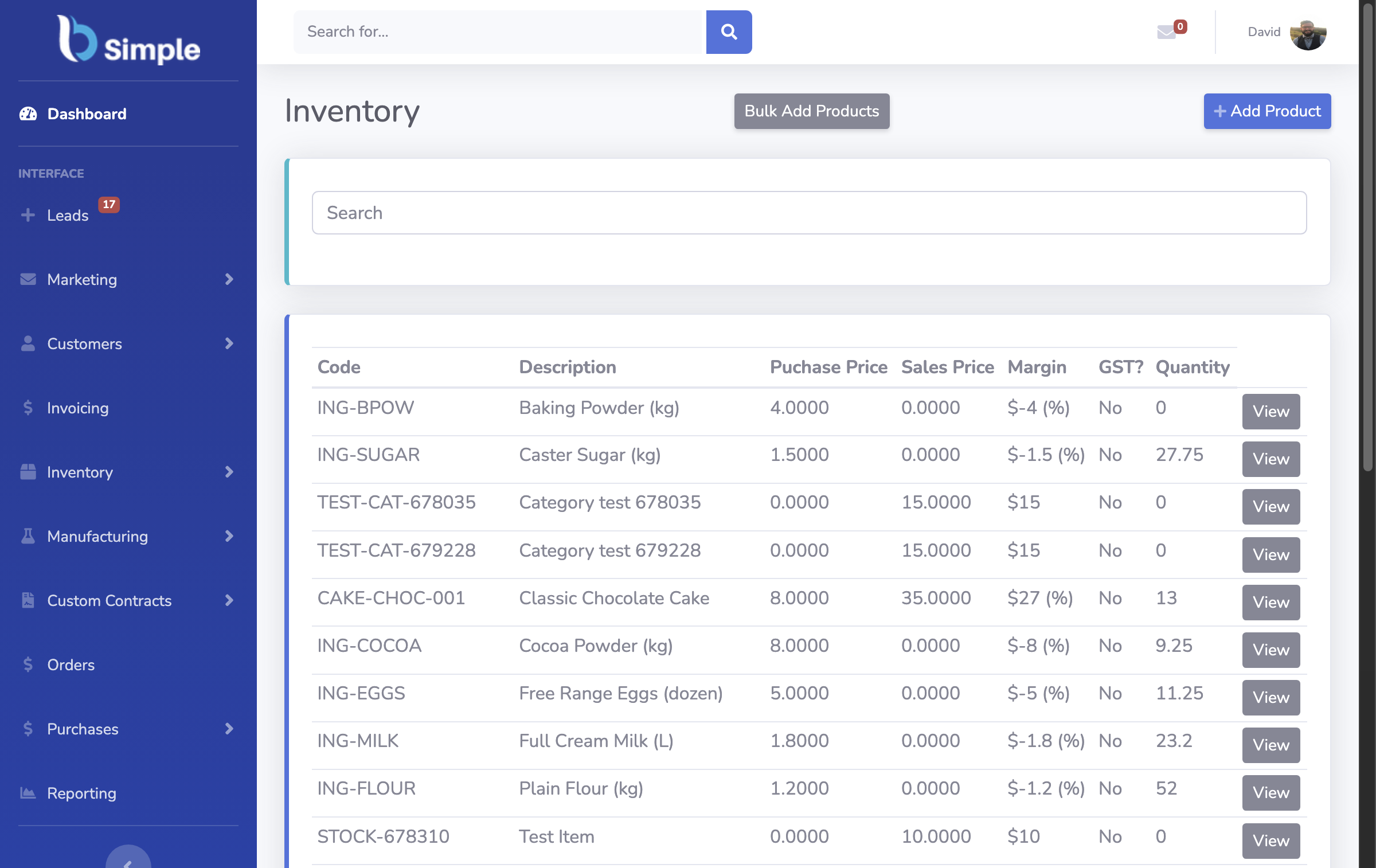
Where to start, by what brought you here
The owner deciding whether to buy: read the buying guides, then skip straight to the trial — a full-product test on your own products teaches more than ten articles, and the guides exist to make that test sharp: what to try, what to break, what to measure.
The operator learning the discipline: the concepts lane, then the worked examples — movements, derived quantities, cycle counts, variance chasing. The material assumes no background and connects every idea to the screen where it happens.
The developer or student: the build routes — schema, state machines, the concurrency edge cases — and then the honest exit: the point where building stops paying and maintaining a record becomes someone else's funded job. Every build page ends there deliberately, because most readers deserve the shortcut.
One editorial rule holds across all lanes: no invented customers, no fabricated statistics, no claims the product cannot support. Where a page cannot answer honestly — competitor pricing, review scores, integrations that do not exist — it says so and teaches the evaluation instead.
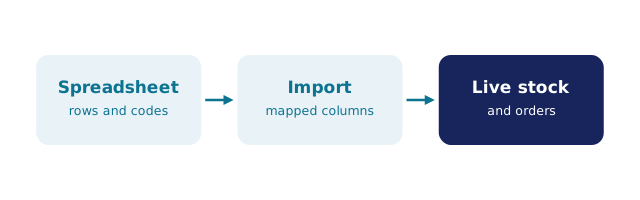
How to use a guide library instead of a blog
A blog rewards subscription; a library rewards search. Come with the question of the week — why did the count disagree, what should a backorder policy be, is a spreadsheet still enough — and take the one page that answers it. Each guide links to its neighbours where the topic genuinely continues, so a single question usually walks you two or three pages deep without a single "related posts" widget pretending to help. And when the reading turns into a decision, the trial is where every lane lands: the full product, on your own data, before any commitment.
Frequently Asked Questions
Do you have a blog I can subscribe to?
No separate blog — the guides on this site are the content library: evergreen pages organised by topic rather than dated posts organised by week. Start from the inventory pillar and follow the lane that matches your question.
What topics do the guides cover?
Inventory concepts and workflows, ordering and portals, purchasing and suppliers, production and batches, spreadsheets and build routes, pricing and buying decisions — plus the boundary pages stating plainly what the software does not do.
Is the content free to read?
Yes, entirely. The software is paid — from $180/month AUD — and the guides make no secret of it; every page states its commercial interest plainly where one exists.
Which single guide should a beginner read first?
The inventory management pillar — it defines the record everything else sits on. Then the worked example to see the concepts move.
Can I suggest a topic or ask a question the guides don't cover?
The best way to probe coverage is hands-on: the trial is the full product, and the questions it raises on your own data are the questions the guides aim to answer. Features overview lives at the features page.

BSimple