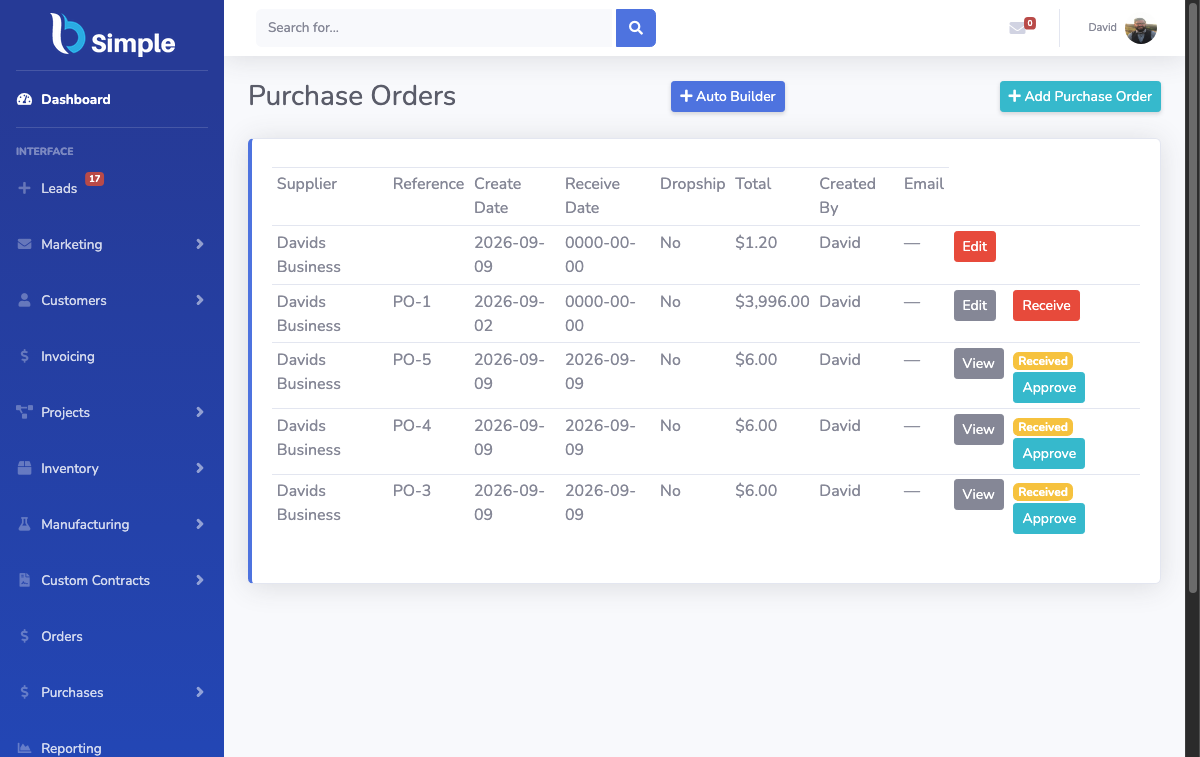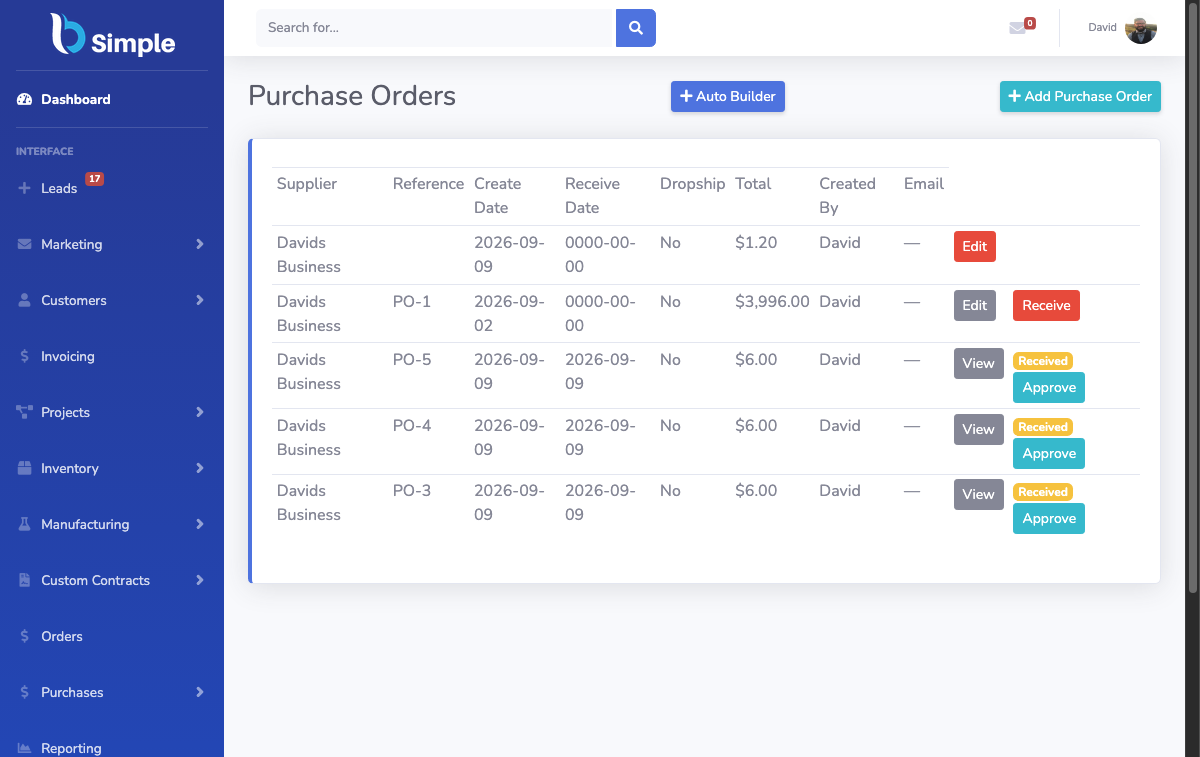
Expense Management Software For Small Business for Small Business
- Seamless Xero integration that automatically syncs approved expenses to your accounting records without manual entry
- Mobile receipt capture with OCR technology that extracts expense details automatically from photographs
- Approval workflows and budget controls that keep spending aligned with policy and prevent overspending
- Automated categorisation into your chart of accounts for accurate financial reporting and GST compliance
- Comprehensive reporting by department, cost centre, vendor, or project to identify spending patterns and opportunities
- Audit trails and compliance documentation that support EOFY stocktakes and ATO requirements
- Cost-centre tracking for manufacturing and wholesale businesses managing multiple revenue streams and production areas
Welcome to our guide on expense management software for small business — see also our Inventory Management Software for the full picture of managing your Australian business efficiently. Managing expenses is one of the most critical yet often overlooked aspects of running a successful small business in Australia. Whether you’re a Sydney coffee roaster tracking supply costs, a Melbourne brewery monitoring ingredient expenses, or a distribution business managing operational overhead, expense management can make or break your bottom line. The challenge isn’t just recording what you spend—it’s understanding where your money goes, spotting inefficiencies, and maintaining compliance with Australian tax requirements like GST and EOFY stocktakes. Many small business owners still rely on spreadsheets, manual receipts, or disconnected tools that create more headaches than solutions. This approach wastes time, introduces errors, and makes it nearly impossible to get real-time visibility into your spending patterns. That’s where proper expense management software comes in. The right tool automates the tedious work, integrates seamlessly with your existing systems (especially Xero, which most Australian SMBs use), and gives you the insights you need to make smarter financial decisions. This guide explores what expense management software actually does, why it matters for wholesale and manufacturing businesses, and how to choose a solution that fits your needs without unnecessary complexity.
Simplify Spending, Strengthen Your Bottom Line
What Expense Management Software Actually Does
Expense management software isn’t just about recording costs—it’s a complete system designed to streamline how your business captures, categorises, approves, and tracks spending. For small businesses in Australia, this means automating processes that typically involve multiple people, spreadsheets, and manual entry errors. The software captures expenses from various sources: employee receipts, supplier invoices, credit card transactions, and purchase orders. Instead of manually entering each receipt into a spreadsheet, your team can snap a photo of the receipt, and the software extracts the key details automatically. This saves hours every week and dramatically reduces data entry mistakes. Once captured, expenses are automatically categorised into the right accounts for your financial records. This is especially important for Australian businesses managing GST compliance and preparing for EOFY stocktakes. The software then routes expenses through approval workflows—ensuring that spending stays within budget and follows company policy. Managers can review and approve expenses from anywhere, keeping operations moving smoothly. The real power emerges when your expense data integrates with your accounting system. If you’re using Xero (which most Australian small businesses do), your expenses flow directly into your financial records without manual reconciliation. This means your profit and loss statements, balance sheets, and tax reporting are always accurate and up-to-date. For wholesale and manufacturing businesses, this integration is crucial because you’re often managing multiple cost centres—raw materials, labour, logistics, and overhead—and you need clarity on each area’s spending patterns.
Real Problems That Expense Software Solves
Why Small Businesses Need Expense Management Software
Running a small business means wearing multiple hats. You’re managing inventory, serving customers, handling finances, and trying to grow—often with a lean team. Manual expense management becomes a bottleneck that distracts from these core activities. Consider a typical scenario: an employee from your Melbourne brewery spends money on supplies, keeps the receipt, and submits it weeks later. The receipt gets lost or damaged. Someone manually enters it into a spreadsheet. The amount gets transcribed incorrectly. It doesn’t match the credit card statement. Now you’re spending time reconciling instead of focusing on growing your business. Multiply this across dozens of transactions monthly, and you’ve lost significant productivity. Expense management software eliminates these pain points. It accelerates the entire process from days to minutes. Employees submit expenses immediately using their phones. Approvers review and authorise in real-time. Data flows automatically into your accounting system. For wholesale and distribution businesses especially, this matters because you’re often managing complex supply chains with multiple vendors, freight costs, and inventory movements. You need to know exactly what you’re spending on goods versus logistics versus overhead. When expenses are properly tracked and categorised, you can identify cost-saving opportunities. Maybe you’re paying too much for shipping and could negotiate better rates. Perhaps certain suppliers have become expensive compared to alternatives. Without clear expense data, these opportunities stay hidden. Additionally, Australian businesses have specific compliance requirements. GST reporting, EOFY stocktakes, and tax deductions all depend on accurate expense records. Manual systems are prone to errors that can trigger audits or compliance issues. Proper expense management software ensures your records are audit-ready and your tax position is solid. Check out how BSimple’s order management software works alongside expense tracking to give you complete business visibility.
Essential Features For Managing Expenses Effectively
Key Features That Actually Matter For Australian Businesses
Not all expense management software is created equal. Some solutions are bloated enterprise tools designed for large corporations with complex needs. Others are too basic and don’t integrate with the systems you actually use. The best expense management software for small Australian businesses balances simplicity with power—easy to implement and use, but comprehensive enough to handle your real needs. Integration with Xero is non-negotiable for most Australian SMBs. Your expense software should sync seamlessly with Xero, eliminating double-entry and keeping your financial records accurate. When an expense is approved in your expense management system, it should automatically create the corresponding entry in Xero. This saves time, reduces errors, and ensures your profit and loss statements reflect reality. Mobile capture is essential. Your team needs to submit expenses on-the-go using their smartphones. They should be able to photograph receipts, and the software should extract details automatically using optical character recognition (OCR) technology. This is particularly valuable for field staff, delivery drivers, and anyone working outside the office. Approval workflows and budget controls keep spending in check. You should be able to set approval hierarchies so that expenses over certain amounts require manager sign-off. Budget alerts notify you when departments or cost centres are approaching limits. For manufacturing and wholesale businesses managing tight margins, this visibility prevents overspending and keeps operations profitable. Categorisation and reporting capabilities help you understand spending patterns. The software should automatically categorise expenses into your chart of accounts. You should be able to generate reports by department, cost centre, vendor, or category. This is invaluable when you’re trying to understand whether your raw material costs are increasing, whether logistics expenses are reasonable, or where discretionary spending might be trimmed. Compliance features are important for Australian businesses. The software should support GST tracking, help you prepare for EOFY requirements, and maintain audit trails showing who approved what and when. This documentation is essential if the ATO ever questions your tax position. For distribution and manufacturing businesses, the ability to track expenses by project or purchase order is valuable. You might need to know the total cost of a specific job or customer order. Good expense software lets you tag expenses accordingly and generate reports showing project profitability.
Finding The Right Fit For Your Business
Choosing The Right Expense Management Solution For Your Business
Selecting expense management software involves balancing several factors. First, consider your business type and complexity. A Sydney coffee roaster with straightforward supplier invoices and employee expenses has different needs than a Melbourne brewery managing multiple production facilities, ingredient costs, and equipment purchases. Likewise, a distribution business might need more sophisticated cost-centre tracking than a service-based business. Evaluate how well the software integrates with your existing tools. If you’re using Xero for accounting, you need tight integration. If you’re using BSimple’s customer ordering portal or automated PO generation features, you want your expense software to work alongside these systems seamlessly. Disconnected tools create extra work and increase the chance of data inconsistencies. Consider ease of implementation and adoption. The best software in the world won’t help if your team doesn’t use it. Look for solutions with intuitive interfaces, minimal training requirements, and good support. Australian businesses often prefer vendors who understand local compliance requirements and provide responsive support during business hours. Assess the cost structure carefully. Many expense management solutions charge per user per month. For small businesses, this can become expensive quickly. Look for pricing that scales with your business. Some solutions offer flat-rate pricing or tiered plans that make sense for SMBs. Don’t just focus on software cost—consider the time savings and error reduction. If expense management software saves your team five hours per week, that’s significant value. Check what reporting and analytics capabilities are included. You want visibility into spending patterns, budget performance, and cost trends. Poor reporting features mean you can’t extract the insights that justify the investment. Finally, consider security and data protection. Your expense data includes sensitive financial information. Ensure the software provider uses encryption, regular backups, and follows Australian data protection standards. For businesses managing sensitive supplier relationships or competitive cost information, security should be a priority. Take advantage of free trials or demos before committing. Most reputable expense management software providers offer trial periods. Use this time to test the software with real scenarios from your business. Can your team easily submit expenses? Do approvals work smoothly? Does the Xero integration function as advertised? Does it handle your specific needs around inventory, ordering, or cost tracking? Real-world testing reveals whether the software will actually work for your business.
Frequently Asked Questions
What is expense management software and why do small businesses need it?
Expense management software automates the process of capturing, categorising, approving, and tracking business spending. Small businesses need it to save time, reduce errors, maintain compliance, and gain visibility into where money is being spent—enabling smarter financial decisions.
Does expense management software integrate with Xero?
Yes, quality expense management software integrates directly with Xero, which most Australian SMBs use. Approved expenses automatically sync to Xero, eliminating manual entry, reducing errors, and keeping financial records accurate and up-to-date.
How does mobile expense capture work?
Employees photograph receipts using their smartphone. The software uses optical character recognition (OCR) technology to automatically extract details like date, amount, and vendor. This eliminates manual data entry and accelerates the submission process significantly.
Can expense software help with GST compliance and EOFY requirements?
Absolutely. Quality expense software tracks GST, maintains audit trails, and organises expenses in ways that support EOFY stocktakes and tax reporting. This documentation helps ensure your business meets Australian compliance requirements and is audit-ready.
How much does expense management software typically cost?
Pricing varies widely. Some solutions charge per user per month (which can be expensive for growing teams), while others offer flat-rate or tiered pricing. Costs typically range from $50–$500+ monthly depending on features and user count. Consider time savings and error reduction when evaluating ROI.
What’s the difference between expense management and accounting software?
Expense management software specialises in capturing and approving expenses efficiently. Accounting software (like Xero) manages your complete financial records. They work together—expense software feeds data into your accounting system, creating a seamless financial workflow.
Is expense management software suitable for manufacturing and wholesale businesses?
Yes, especially for these industries. Manufacturing and wholesale businesses benefit from cost-centre tracking, vendor expense analysis, and the ability to categorise spending by raw materials, logistics, and overhead. This visibility helps identify cost-saving opportunities and improves profitability.