
Guide / brands versus fit
Enterprise management software brands, read honestly
The brands are famous, and famous is a scale signal, not a fit signal. Here is what the enterprise brands actually sell, who they serve — and why SMEs should shop categories instead.
The short answer
- The enterprise brands sell suites — ERP cores with finance, supply chain, HR and manufacturing depth — to organisations with administrators.
- Brand familiarity measures marketing reach and installed base, not fit for an SME's workflow.
- The SME decision is a category decision: business management systems for stock-and-order businesses, ERPs above the administrative line.
- BSimple is not one of the enterprise brands — and that is the honest answer to this search.
- The full picture: how the inventory record works is the hub page for everything above.
- 01The short answer
- 02What the enterprise brands actually sell
- 03Where BSimple fits
What the enterprise brands actually sell
Strip the logos and the brands sell the same shape: a suite — finance at the core, supply chain, manufacturing, HR around it — plus the ecosystem to implement, configure and administer it. The brands differ in emphasis (this one manufacturing, that one retail, another services) and in geography, but the product is depth plus governance: configuration projects, implementation partners, module owners, annual roadmaps. Their customers are organisations where software is someone's department.
That is not criticism — it is the offer. An enterprise brand is the correct purchase when the business has the scale to carry the suite: multiple entities, MRP scheduling across lines, integration teams, procurement governance. Below that line, the same brands offer "SME editions" that frequently mean fewer modules at similar complexity — the logo persists; the fit does not improve. The enterprise list, read honestly covers that evaluation, and the brands-versus-types question reframes it for stock-led businesses.
Where BSimple fits
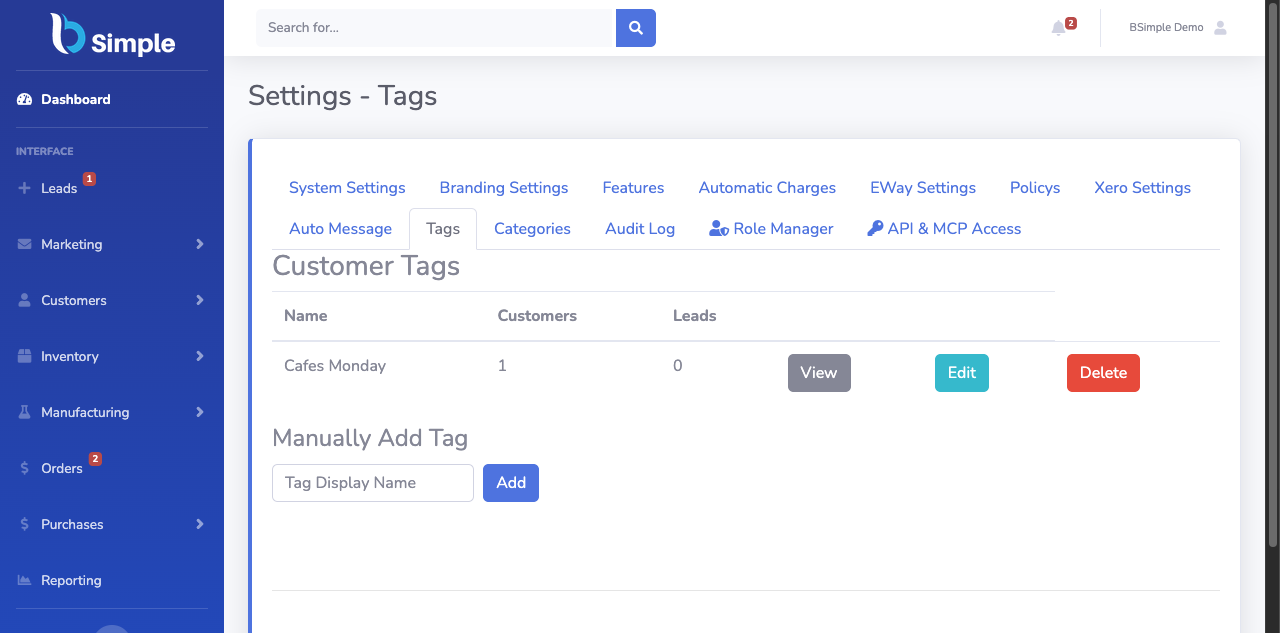
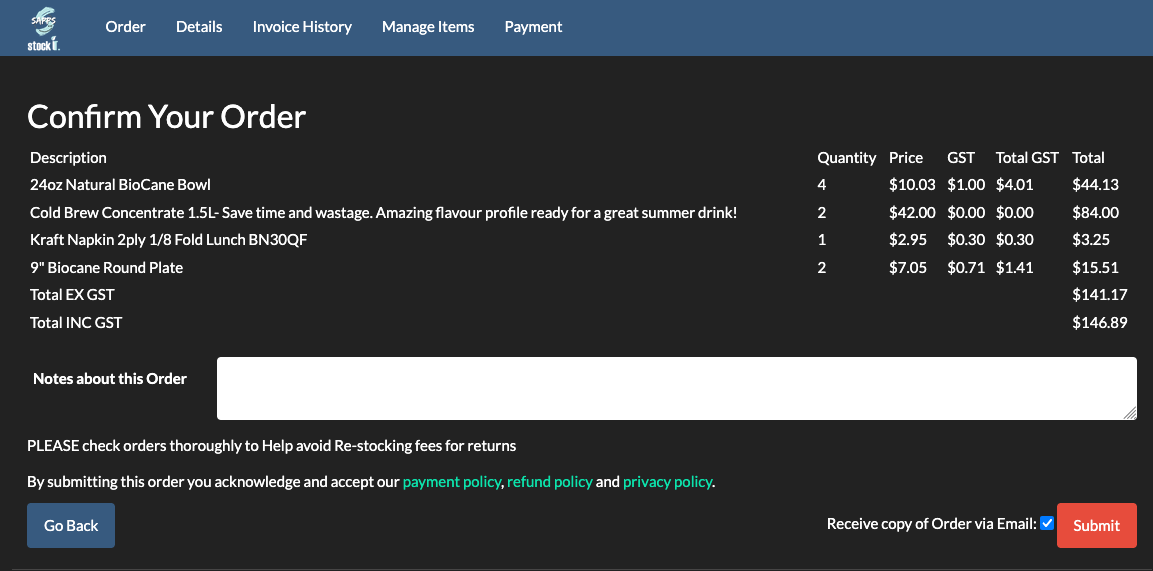
We build BSimple, so weigh that — and note plainly: it is not an enterprise brand, and will not be found in their evaluations. It is an Australian SMB business management system for wholesale, manufacturing, distribution and trade businesses: stock, orders, purchasing, invoicing and a customer portal on one record, accounting handed to Xero or MYOB, from $180/month (AUD) with a free trial. The value proposition is the inverse of the enterprise brands: no implementation project, no administrators, published pricing — and no enterprise breadth, stated on every page.
The search advice the brands cannot give: shop categories, not logos. Identify your operating pattern — the software types guide does that — then compare vendors inside the right category on the criteria that survive: one record, accounting handoff, exceptions, year-two cost, support. The vendor guide turns those into a three-trial process; the business "best" criteria frame the judgment.
Frequently Asked Questions
Is BSimple an enterprise software brand?
No — it is SMB business management software, Australian-made, for small-to-medium product businesses. It deliberately lacks the enterprise breadth (HR, payroll, MRP, multi-entity ledgers) that defines those brands, and prices from $180/month (AUD) with published plans rather than negotiated projects.
Why do SMEs end up shopping enterprise brands?
Familiarity and fear: the brands are what colleagues have heard of, and "we will grow into it" feels safe. The pattern usually ends in under-used modules and unchanged spreadsheets — the enterprise depth was bought, but the operating workflow the SME needed was never the suite's core.
What should we compare instead of brands?
Categories first — the types guide — then vendors inside the right category on five criteria: one record, accounting handoff, exceptions, year-two cost, support. Two hours of trials answers more than a month of brand research, because the evidence is yours.
When does an SME genuinely need an enterprise brand?
At the administrative line: when the business can staff software governance — dedicated administrators, integration management, entity-level finance. Below that, the lighter category does the daily job; above it, the suites earn their cost. The honest self-assessment is about people, not ambition.

BSimple