
Guide / boundaries
Business management software and Google business solutions
The honest answer: Google makes excellent business *tools* — Workspace, Business Profile, Ads — but no business management system that runs stock, orders and purchasing. What each Google product actually does, and how it pairs with operations software.
The key facts
- Google's business products are tools, not a system: Workspace (email, docs, sheets), Business Profile (your listing on Search and Maps), Ads, Analytics, Drive.
- What Google does not offer: an inventory and operations record — no stock ledger, no purchase orders, no fulfilment flow, no accounting handoff.
- The pairing that works: Google tools for communication and presence; an operations system for the record; the browser is the bridge — BSimple runs in any modern browser alongside Workspace.
- No invented integrations: BSimple claims no native Google product integration — what it claims is browser-based access and an open API, stated plainly.
- 01The key facts
- 02What "Google business solutions" actually covers
- 03The pairing: Google tools beside an operations system
- 04How to evaluate the combination honestly
What "Google business solutions" actually covers
The phrase lumps together genuinely useful products with genuinely different jobs. Workspace (Gmail, Docs, Sheets, Drive, Meet) is the communication-and-documents layer — the same class of tool as the spreadsheet systems covered elsewhere on this site, with the same strengths and the same ceiling: brilliant at words and figures, structurally incapable of holding a multi-user stock record with an audit trail. Business Profile is presence — how the business appears on Search and Maps. Ads is demand. Analytics measures the website. Each is real; none is a business management system, because none holds what the business owns, owes, ordered or promised.
The garbled search this page answers usually means one of two intents: "can I run my business on Google's tools?" (no — see the ceiling above), or "does business software integrate with Google's tools?" — which is a fair question with a fair answer.
The pairing: Google tools beside an operations system
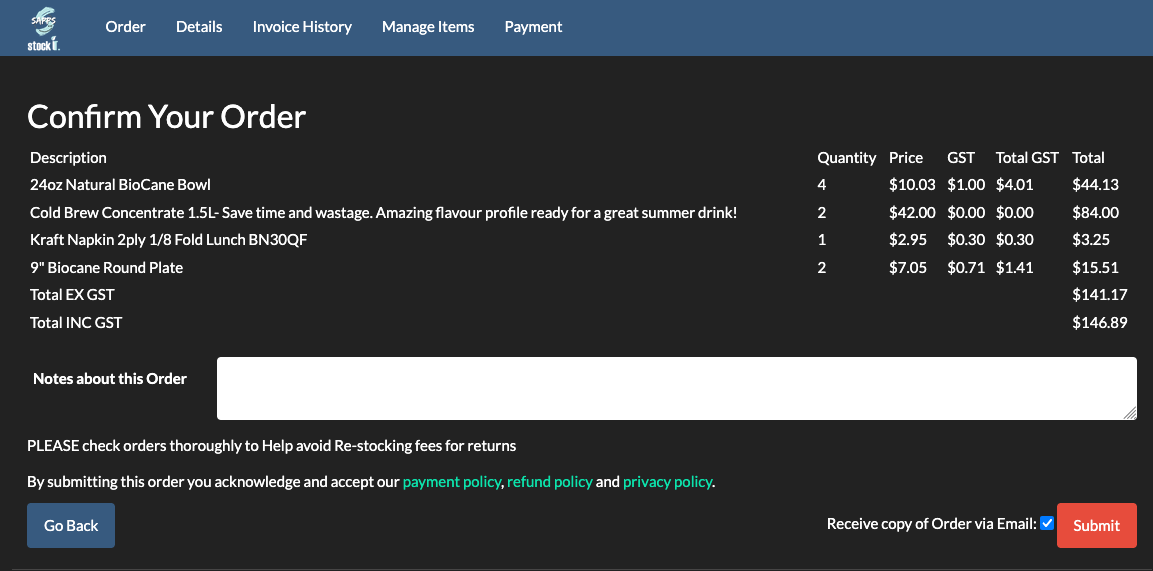
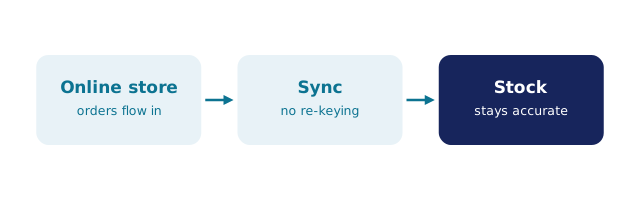
The honest architecture for a small business is layers: presence and demand from Google (Profile, Ads, Analytics); communication and documents from Workspace; and the operational record from a system built for it — stock, orders, purchasing, invoicing on one ledger. The layers meet at the browser and at the exports: quotes drafted in Docs reference live stock figures from the record; the team's Gmail carries the customer conversations the portal does not; Sheets remains the analyst's scratchpad over exported data.
We build BSimple, so weigh that: it claims no native Google product integration — no Workspace connector, no Google Sheets sync — because inventing integrations is how software marketing goes wrong. What it does claim: BSimple is browser-based and runs in any modern browser, including Chrome, on any device; it imports Shopify orders rather than storefronts; and it exposes a public REST API and automation endpoints for the teams who want to build the Google-side bridges themselves. From $180/month AUD, with the trial as the full product — and the inventory record documented so you can judge what would sit beside your Workspace. The same layering question recurs elsewhere — the business management solutions landscape and Google Sheets stretched into a business management system — and the record layer decides it there too.
How to evaluate the combination honestly
Name each layer's job. Presence (Google Profile), demand (Ads), documents (Workspace), record (operations system). Confusion between layers — running stock in Sheets, filing invoices in Drive — is the failure pattern that costs real money.
Test the seam. Whatever the tools, follow one order from capture to the books and count the manual steps. The count is the true integration score.
Try the record on your data. Layer decisions are cheap to test: the trial runs alongside Workspace from the first login, and the features overview shows what the record layer actually covers.
Frequently Asked Questions
Does Google make business management software?
No — Google makes business tools: Workspace for communication and documents, Business Profile for presence, Ads for demand, Analytics for measurement. None holds an inventory record, purchase orders or fulfilment; that layer needs a dedicated system.
Can I run my business on Google Sheets and Workspace?
Partially, at small scale — the same spreadsheet ceiling applies: no audit trail, no multi-user stock truth, no accounting handoff. Sheets works as an analyst's layer over exported data, not as the record itself.
Does BSimple integrate with Google Workspace?
Not natively, and we will not claim otherwise. BSimple is browser-based and runs alongside Workspace in any modern browser, with a public REST API for teams building their own bridges. The honest test is the seam: count the manual steps in one order, end to end.
What does BSimple cost?
$180/$250/$399 AUD monthly with every operational feature in the core plans. The trial is the full product — run it beside your Workspace tools on your own products before deciding.
Which layer should a small business buy first?
The record. Presence and documents have free tiers and tolerate improvisation; an untrustworthy stock record quietly taxes every other layer. The inventory pillar explains what the record layer adds.

BSimple