Business Analytics Software List for Australian Business

  • Real-time inventory visibility across multiple warehouse locations with negative inventory tracking capabilities
  • Seamless Xero integration ensuring financial and operational data consistency without manual entry
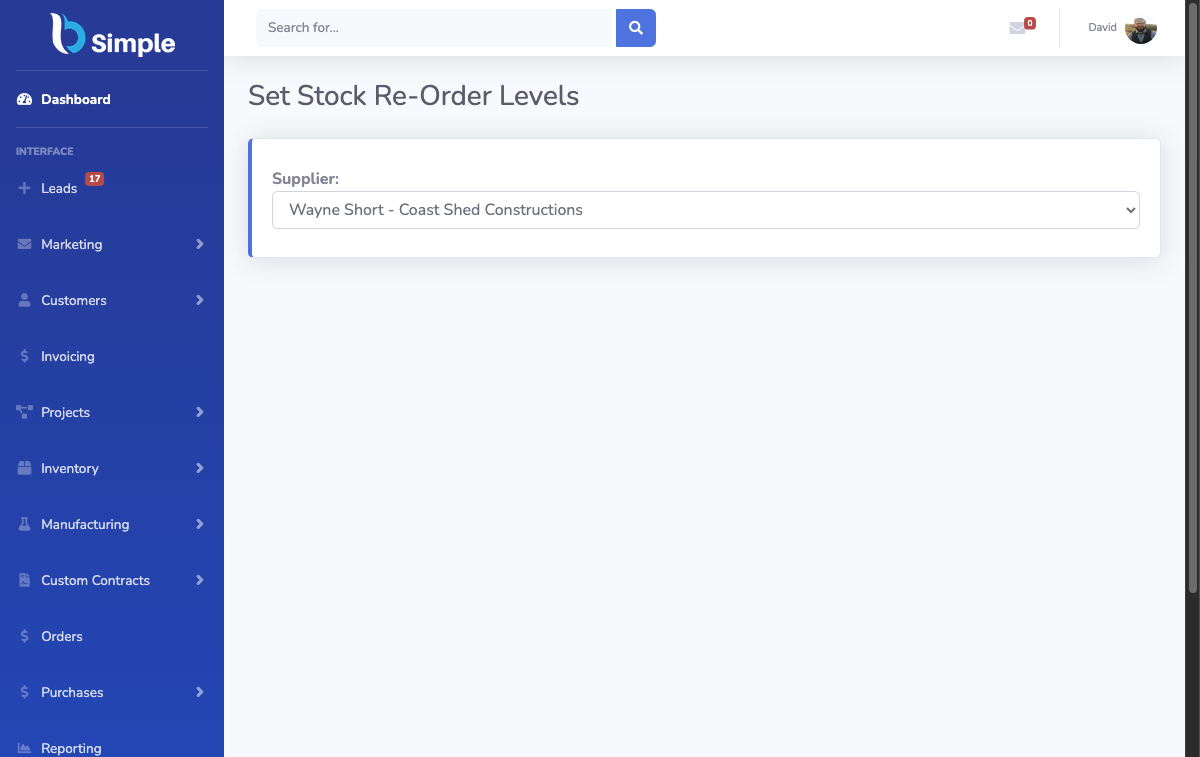
  • Automated purchase order generation based on stock levels, demand forecasts, and supplier lead times
  • Just-in-time inventory management tools helping optimise reorder points and reduce holding costs
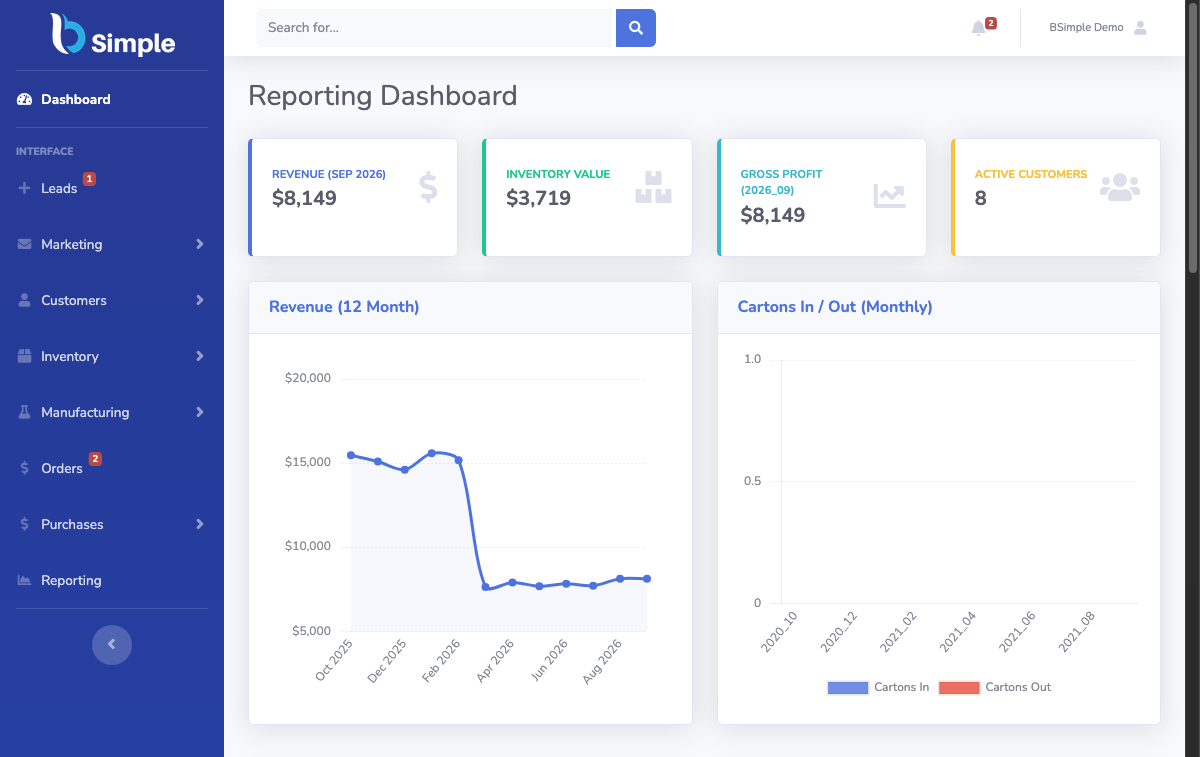
  • Customer analytics showing order patterns, profitability, and growth trends for better account management
  • EOFY stocktake management features supporting GST compliance and accurate financial reporting
  • Supplier performance tracking and purchasing analytics to negotiate better terms and improve supply chain efficiency

Running a wholesale, manufacturing, or distribution business in Australia means juggling dozens of moving parts every single day. You’re tracking inventory across multiple locations, managing customer orders, coordinating with suppliers, and trying to keep your accountant happy come EOFY. That’s where business analytics software comes in—it’s the difference between flying blind and actually understanding what’s happening in your operation.

A solid business analytics software list isn’t just about fancy dashboards and pretty charts. It’s about getting real, actionable insights into your stock levels, order patterns, cash flow, and customer behaviour. When you’re running tight margins like most Australian SMBs do, those insights can mean the difference between a profitable quarter and scrambling to cover costs.

The challenge is that there’s no one-size-fits-all solution. A Melbourne brewery has completely different needs than a Sydney coffee roaster or a manufacturing outfit in Brisbane. You need software that understands your specific challenges—like managing negative inventory when you’re waiting on supplier deliveries, tracking just-in-time stock levels, or handling complex stocktake management during EOFY crunch. That’s why finding the right tool from a comprehensive business analytics software list is crucial for your bottom line.

What makes analytics software truly valuable is when it integrates seamlessly with the tools you’re already using. Most Australian businesses rely on Xero for accounting, so having Xero integration built in means your financial data and operational data stay in sync without manual data entry or expensive workarounds. That’s the kind of practical integration that actually saves you time and money.

Find the Right Analytics Software for Your Business

When you’re evaluating business analytics software options, you need to think beyond just reporting capabilities. Yes, you want to see pretty graphs showing sales trends and inventory turnover, but what you really need is software that helps you make better decisions faster. That’s the difference between analytics software that looks impressive in a demo and software that actually transforms how you run your business.

For wholesale and distribution businesses, the critical analytics typically revolve around inventory efficiency. How quickly are you moving stock? Which products are sitting on shelves gathering dust? Where’s your cash tied up? A good business analytics software list will include tools that help you answer these questions with precision. You want to see real-time visibility into stock levels across all your locations, understand seasonal demand patterns, and identify which customers are your most profitable.

Manufacturing operations need even more granular analytics. You’re tracking raw materials, work-in-progress inventory, finished goods, and managing complex supply chains. The software needs to help you optimise production runs, reduce waste, and ensure you’re not over-producing or under-producing. When you have inventory management integrated with your analytics, you can spot bottlenecks before they become problems.

Australian businesses also need analytics software that understands GST compliance and local reporting requirements. Your analytics should help you track GST-related transactions, manage EOFY stocktakes efficiently, and prepare accurate reports for your accountant. The best tools make compliance easier, not harder, and they integrate directly with your Xero account so everything’s automatically categorised correctly.

Analytics That Drive Real Business Decisions

Let’s talk about what separates genuinely useful business analytics software from the stuff that just clutters your screen with unnecessary data. The key is having the right metrics displayed in a way that helps you take action. A Melbourne brewery owner doesn’t need 47 different KPI dashboards—they need to know if they’re on track to hit their monthly targets, where their production bottlenecks are, and whether they’re managing their ingredient costs effectively.

One of the biggest pain points we see with Australian wholesalers and manufacturers is disconnected data. Your inventory system tells one story, your accounting software tells another, and your sales data lives somewhere else entirely. By the time you’ve manually pulled everything together, it’s already out of date. That’s why integrating your analytics with your core business systems matters so much. When your analytics software pulls data directly from your inventory, orders, and financial systems, you get real-time insights you can actually trust.

Customer analytics is another area where most Australian SMBs leave money on the table. You should be able to see which customers are ordering what, how often they reorder, their average order value, and whether they’re growing or shrinking over time. This helps you identify your most valuable customers, spot at-risk accounts before they disappear, and understand which products drive the most revenue. The best customer ordering portals give your clients self-service access while simultaneously feeding valuable data back into your analytics.

Purchasing analytics is equally important. How much are you spending with each supplier? Are you getting competitive pricing? How reliable is their delivery? Which suppliers have the best quality? These insights help you negotiate better terms, consolidate spending with your best partners, and avoid supply chain disruptions that could hurt your business.

Essential Features for Manufacturing and Wholesale

When you’re building your business analytics software list, you need to consider how the software handles the specific challenges of Australian manufacturing and wholesale operations. One critical feature that often gets overlooked is negative inventory tracking. This might sound like a niche requirement, but if you’re managing a complex supply chain where you’re often waiting on supplier deliveries while customers are ordering, being able to track negative stock accurately is essential. It prevents you from overselling and helps you communicate realistic delivery dates to customers.

Just-in-time inventory management is another game-changer for businesses trying to minimise holding costs. The analytics software should help you identify optimal reorder points, track lead times from suppliers, and forecast demand accurately enough that you’re not sitting on excess stock. A Sydney coffee roaster, for example, needs to order fresh beans at exactly the right time—too early and they go stale, too late and you can’t fulfil orders. Analytics software that understands JIT principles helps you nail this balance.

Stocktake management is something that keeps many Australian business owners up at night, especially around EOFY when your accountant needs accurate inventory figures for GST compliance and financial reporting. The best analytics software helps you plan stocktakes, track discrepancies between system records and physical counts, and investigate variance issues. It should also help you understand whether variances are due to shrinkage, counting errors, or system issues so you can address root causes rather than just adjusting numbers.

Another critical capability is automated purchase order generation. When your analytics software can automatically create POs based on stock levels, demand forecasts, and supplier lead times, you’re removing manual work and reducing the risk of human error. This is particularly valuable during busy periods when you’re juggling multiple priorities. The software should also track PO history, supplier performance, and cost trends to help you optimise your purchasing strategy over time.

Building an Integrated Analytics Strategy

Building a comprehensive business analytics software strategy means thinking about how different tools work together. Most Australian businesses start with accounting software like Xero, then layer on inventory management, then add order management. The challenge is getting all these systems to talk to each other and feed data into a unified analytics platform. That’s where integration becomes absolutely critical.

When you’re evaluating options from a business analytics software list, ask yourself: Can this software integrate with Xero? Can it pull data from my inventory system? Does it connect with my customer ordering system? The more integrated your systems are, the less manual data entry you’ll do, and the more reliable your analytics will be. A manufacturing operation in Brisbane with multiple warehouse locations absolutely needs this kind of integration to get a true picture of their business.

The reporting capabilities matter too, but not in the way most vendors talk about them. You don’t need 500 different pre-built reports gathering dust. What you need is the ability to quickly answer specific business questions. Can you easily see which products have the highest margins? Can you drill down into a customer’s order history in seconds? Can you compare this month’s performance against the same period last year? Can you export data to share with your accountant or business advisor?

Training and support are often overlooked when selecting analytics software, but they’re crucial for actually getting value from your investment. You need a vendor who understands Australian business practices, GST compliance, and the specific challenges of wholesale and manufacturing operations. When you’re evaluating order management and analytics solutions, find out what training and support they offer. Can they help you set up key metrics? Do they have resources tailored to your industry? Will they help you optimise your processes once the software is installed?

Finally, think about scalability. Your analytics software needs to grow with your business. As you add new product lines, expand into new markets, or open additional locations, your analytics infrastructure should handle increased data volume and complexity without breaking a sweat. The best solutions are built on modern cloud architecture that scales automatically as your needs grow.

Frequently Asked Questions

What is business analytics software and why do Australian wholesalers need it?

Business analytics software helps you collect, analyse, and visualise data from across your business operations. For wholesalers and manufacturers, it provides critical insights into inventory levels, customer behaviour, supplier performance, and profitability—enabling better decision-making and improved cash flow management.

How does business analytics software integrate with Xero?

Quality analytics software connects directly to your Xero account, automatically pulling financial and transaction data. This eliminates manual data entry, ensures consistency between your accounting and operational systems, and provides a complete view of your business health without duplicating work.

Can analytics software help with EOFY stocktake management?

Yes, absolutely. Good analytics software helps you plan stocktakes, track discrepancies between system records and physical counts, and investigate variance issues. It also ensures your final inventory figures are accurate for GST compliance and financial reporting to the ATO.

What key metrics should I track with analytics software?

Critical metrics include inventory turnover, stock holding costs, customer profitability, supplier performance, cash conversion cycle, gross margins by product, and reorder frequency. The specific metrics depend on your business type, but analytics software should help you track what matters most to your operation.

Is business analytics software suitable for small manufacturing businesses?

Definitely. Small and medium-sized manufacturers benefit significantly from analytics software because it helps optimise production runs, reduce waste, manage complex supply chains, and identify profitability issues. Cloud-based solutions are affordable and scalable, making them practical for SMBs.

How do I choose the right analytics software from a long list of options?

Prioritise software that integrates with your existing systems (especially Xero), understands your industry’s specific needs, offers real-time reporting, provides good customer support, and scales as your business grows. Request demos and trial periods to test whether it actually solves your problems.

Can analytics software help reduce inventory holding costs?

Yes, analytics software provides visibility into slow-moving stock, helps optimise reorder points, supports just-in-time inventory management, and identifies excess inventory. These capabilities directly reduce the cash tied up in inventory and improve your overall cash flow position.