
Guide / jewellery inventory
What does jewellery inventory software actually need to do?
Jewellery stock transforms — components become pieces — and each piece is high-value enough to demand a record of where it has been. Here is what that requires.
The facts about jewellery inventory software
- Jewellery is a two-layer stock problem: components (findings, stones, chain, settings) and finished pieces assembled from them.
- High-value stock demands a trail: an audit trail showing every movement and adjustment is not a luxury in this trade.
- Lot-level traceability covers gemstone and metal lots from receipt through assembly to sale.
- Wholesale accounts need their own ordering: per-retailer product lists and pricing, self-served through a portal.
- BSimple covers this with recipes, batches and an audit trail — from $180/month (AUD) with a free trial — but is not a dedicated jewellery platform with grading or certification tracking.
- 01The facts about jewellery inventory software
- 02What makes jewellery stock different
- 03How BSimple handles the jewellery workflow
- 04How to demo any system with jewellery stock
What makes jewellery stock different
Three things, and generic inventory tools usually handle none of them well. First, transformation: a finished piece is not a purchased SKU — it is assembled from components that were purchased separately, so the system needs a recipe or bill-of-materials layer to move value and quantity from components to pieces. Second, value density: a shelf holds a fortune, so every adjustment, breakage and shrinkage event needs a visible, attributable record rather than a silent overwrite. Third, traceability: lots of stones or metal that enter the workshop should be traceable through the pieces they ended up in — for quality issues, supplier disputes or insurance questions.
Generic retail systems treat a ring like a t-shirt. If your business assembles anything — even simple repairs or remakes — the recipe layer is the first thing to test in any demo.
How BSimple handles the jewellery workflow
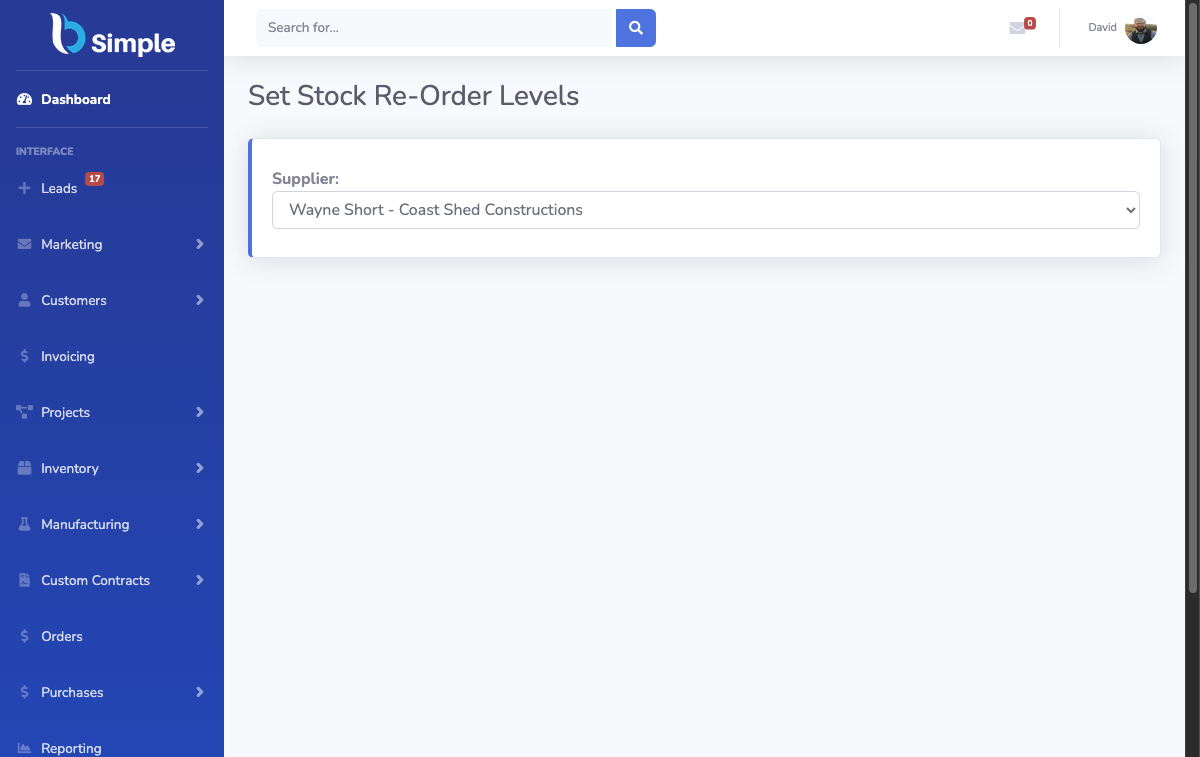
We build BSimple, so weigh that. Components and finished pieces live on the same record: recipes define what each piece consumes, production runs check component availability before assembly, and finished stock is created in batches that carry the lots used — so a quality question about a stone lot traces forward to every piece it touched, and a customer query about a piece traces back. Every adjustment and movement lands on an audit trail, which is the custody record high-value stock deserves. The manufacturing comparison covers the assembly layer in depth, and the inventory management page shows the record it sits on.
Wholesale matters too: retailers order through their own portal links — their product list, their pricing — against live stock, and approved orders become invoices pushed to Xero or MYOB with payment status mirrored back.
The honest boundary: BSimple is not a dedicated jewellery platform. There is no per-stone grading or certificate registry, no precious-metal market revaluation feed, and no repair-job workflow as a special module — projects and assets exist, but repairs are handled as orders. If per-diamond certification management is the core requirement, a trade-specific tool will fit better; if the need is honest stock, assemblies and wholesale on one record, that is exactly the job — the jewellery inventory guide tells the same story from the trade side.
How to demo any system with jewellery stock
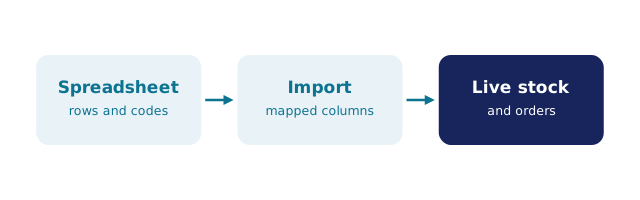
Bring three scenarios to the demo. An assembly: define a piece from real components, run it, and watch quantities and value move from components to finished goods. An adjustment: write off a damaged item and see who recorded what, when, and against which stock — the audit trail test. A wholesale order: a retailer ordering through a portal at their pricing, ending in an Xero or MYOB invoice without re-entry.
Any vendor can claim jewellery support; these three scenarios take twenty minutes and cannot be faked. Then price the whole loop — BSimple starts at $180/month (AUD) with recipes, batches, the portal and the audit trail included rather than module-priced — and start the free trial with your own components before trusting any claim, including ours.
Frequently Asked Questions
Does BSimple track components and finished pieces separately?
Yes — components and finished goods live on one record, with recipes defining what each piece consumes. Production runs check component availability, and assembling moves quantity and value from components to batched finished stock.
Can we trace which lot a finished piece came from?
Yes — batches carry the lots used, and traceability search runs both directions: from a stone or metal lot to every piece it entered, or from a piece back to its inputs. For insurance, supplier-dispute or quality questions, that is the record that answers them.
Does the system keep an audit trail for high-value stock?
Yes — an audit trail is part of the platform: movements and adjustments are recorded with attribution, so custody questions about valuable stock have answers rather than theories.
Does BSimple handle diamond grading or certificates?
No — per-stone grading registries and certificate storage are trade-specific features BSimple does not provide. Lot-level traceability covers where stock came from and where it went; if certificate management is the core need, a jewellery-specific platform fits better.
What does jewellery inventory software cost?
BSimple starts at $180/month (AUD) with recipes, batches, the audit trail, the wholesale portal and the Xero or MYOB handoff all included — no module fees. Test all of it in the free trial with your own components before deciding.
BSimple