
Definition / domains
Order management: which domain does it come under?
Academically, order management sits under operations and supply chain management. In software, it is a core subdomain of ERP and e-commerce. Both answers are right — here is the map.
The key facts
- Academic answer: operations management, within supply chain management — the order-to-cash cycle is its unit of study.
- Software answer: a subdomain of ERP and e-commerce platforms — the order lifecycle between storefront and ledger.
- Adjacent domains: inventory management (upstream), logistics (outbound), accounting (the money end), customer service (the visibility end).
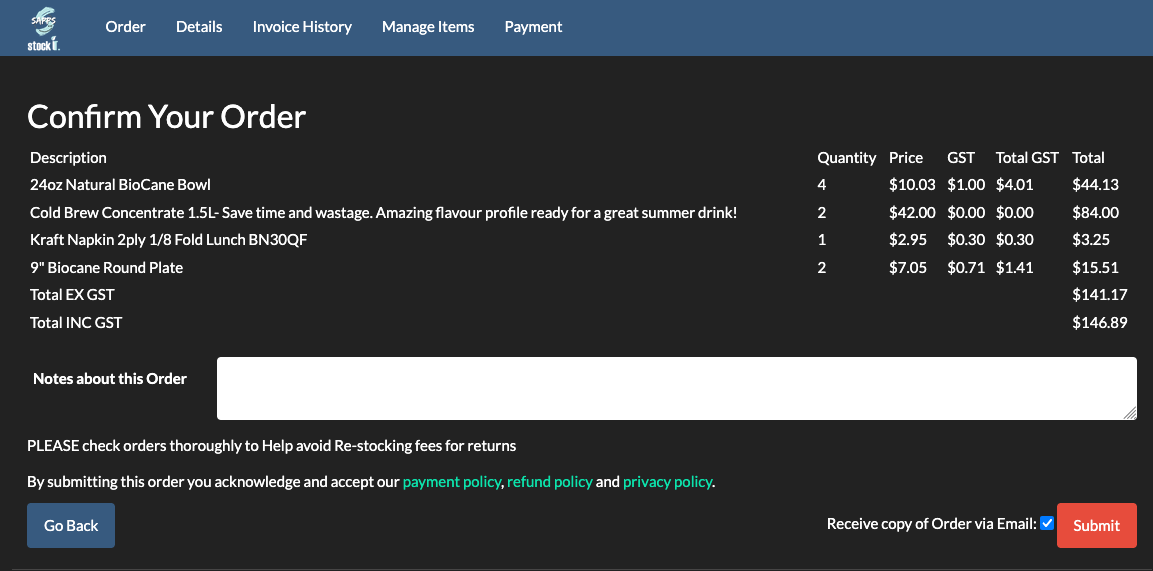
- In BSimple: order management is the spine connecting those neighbours — portal to pick to invoice to accounting handoff.
- 01The key facts
- 02The academic answer: operations and supply chain
- 03The software answer: ERP and e-commerce subdomain
- 04How the domains sit together in practice
The academic answer: operations and supply chain
In business study, order management is taught under operations management — the field concerned with how organisations produce and deliver goods — and more specifically within supply chain management, where the order-to-cash cycle (order placed → fulfilled → invoiced → paid) is a standard unit. Coursework tends to group it with inventory management, warehousing, logistics and demand planning, because the domains interlock: an order is a promise the inventory record must keep and the warehouse must execute.
The e-commerce curriculum adds its own framing: order management as the backend of online retail — carts, payment, fulfilment, returns. Same subject, narrower channel.
The software answer: ERP and e-commerce subdomain
In software taxonomy, order management is a subdomain of ERP — the operations module between inventory and finance — and of e-commerce platforms, where it handles the post-checkout lifecycle. Standalone order management systems (OMS) emerged because the two big domains each owned half: storefronts knew the customer, ERPs knew the stock and the ledger, and the order fell between them.
That history explains the modern shape: order management software is the connective layer — capturing orders from any channel, checking live stock, driving fulfilment, producing invoices, mirroring payment status back. What order management software is defines it plainly; what it does day to day shows the tracking half; the order management page walks the whole path.
How the domains sit together in practice
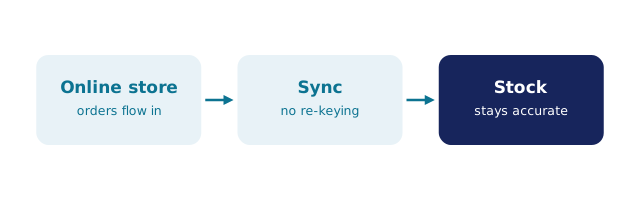
Picture the neighbourhood: inventory management owns the stock record upstream; order management consumes it, promising and fulfilling against live quantities; logistics moves the goods the order releases; accounting records the invoice the order becomes; customer service reads the order's state to answer the phone. Order management is the middle domain — every neighbour touches the order, and the order touches every neighbour.
In BSimple those neighbours share one dataset rather than exchanging files: orders from the portal, phone or Shopify import flow through pick and pack into approved invoices pushed to Xero or MYOB, with payment status mirrored back — order management as the spine of an operations record, from $180/month (AUD). The trial runs one order through every domain it touches.
Frequently Asked Questions
Which domain does order management come under?
Academically: operations management, within supply chain management (the order-to-cash cycle). In software: a subdomain of ERP and e-commerce. Both framings describe the same middle position — between inventory, logistics and accounting.
Is order management part of supply chain management?
Yes — it is the customer-facing end of the chain: demand captured, stock allocated, goods shipped, cash collected. Upstream of it sit purchasing and production; downstream, logistics and accounts receivable.
Is order management the same as inventory management?
No — neighbouring domains. Inventory owns the stock record; order management consumes it, promising and fulfilling orders against live quantities. BSimple runs both on one dataset, which is why the order and the shelf never disagree.
Where can I see order management working in practice?
The BSimple trial runs a test order through the whole cycle — portal, stock check, pick, pack, invoice, accounting handoff — with your own products. It is the domain map, executed.

BSimple