
Guide / open source on Windows
Open source inventory software for Windows, honestly
The Windows download used to be how software arrived. Here is what open source inventory looks like on Windows today, what it costs beyond the licence, and the browser alternative.
The short answer
- Open source inventory tools run on Windows three ways: a desktop app, a self-hosted web stack on a Windows PC, or (the quiet third option) someone else's hosted server.
- The licence is free; the running is not — hosting, updates, backups and the accounting seam are recurring work.
- The Windows requirement is usually a habit, not a need: a browser on any PC runs modern inventory software.
- BSimple is closed, cloud and browser-based — from $180/month (AUD) — and this page says when that is the wrong trade for you.
- Context: the full inventory system holds the wider system, this page one stop in it.
- 01The short answer
- 02The three ways it actually runs on Windows
- 03The browser option worth considering
- 04Where BSimple fits
The three ways it actually runs on Windows
Desktop applications are the classic pattern — install, run locally, data on that machine. They keep working offline and stay fast, but the record lives on one PC, which is the single-machine trap in different clothes: the second computer, the bookkeeper, or the phone on the floor all become sync problems. Self-hosted web stacks run the tool on a Windows PC (or a Linux box in the corner) and serve browsers — better for sharing, but now updates, backups and security are yours. Community-hosted or SaaS offerings built on open-source cores give the licence freedom up while reintroducing subscription economics.
Whichever route, the seam costs repeat: the bridge to Xero or MYOB, scanning from phones, and the customer portal are where open-source projects are thinnest, because those edges move with vendors. The open-source store assessment weighs this in full, and the offline trade-offs cover the desktop pattern honestly.
The browser option worth considering
The "for Windows" in this search usually means "runs on the PC I have" — and browser software satisfies that literally: nothing installed, no specifications beyond a modern browser, the same record on the office PC, the phone in the warehouse and the bookkeeper's desk. The Windows PC stops being the computer the software lives in and becomes one of the screens it appears on.
That reframes the open-source question too: the comparison is not "desktop licence-free versus paid desktop" but "who runs the record". Self-hosting puts the record's health on your calendar; a hosted product puts it on the vendor's. The free-for-PC guide covers that trade for the no-licence end of the market.
Where BSimple fits
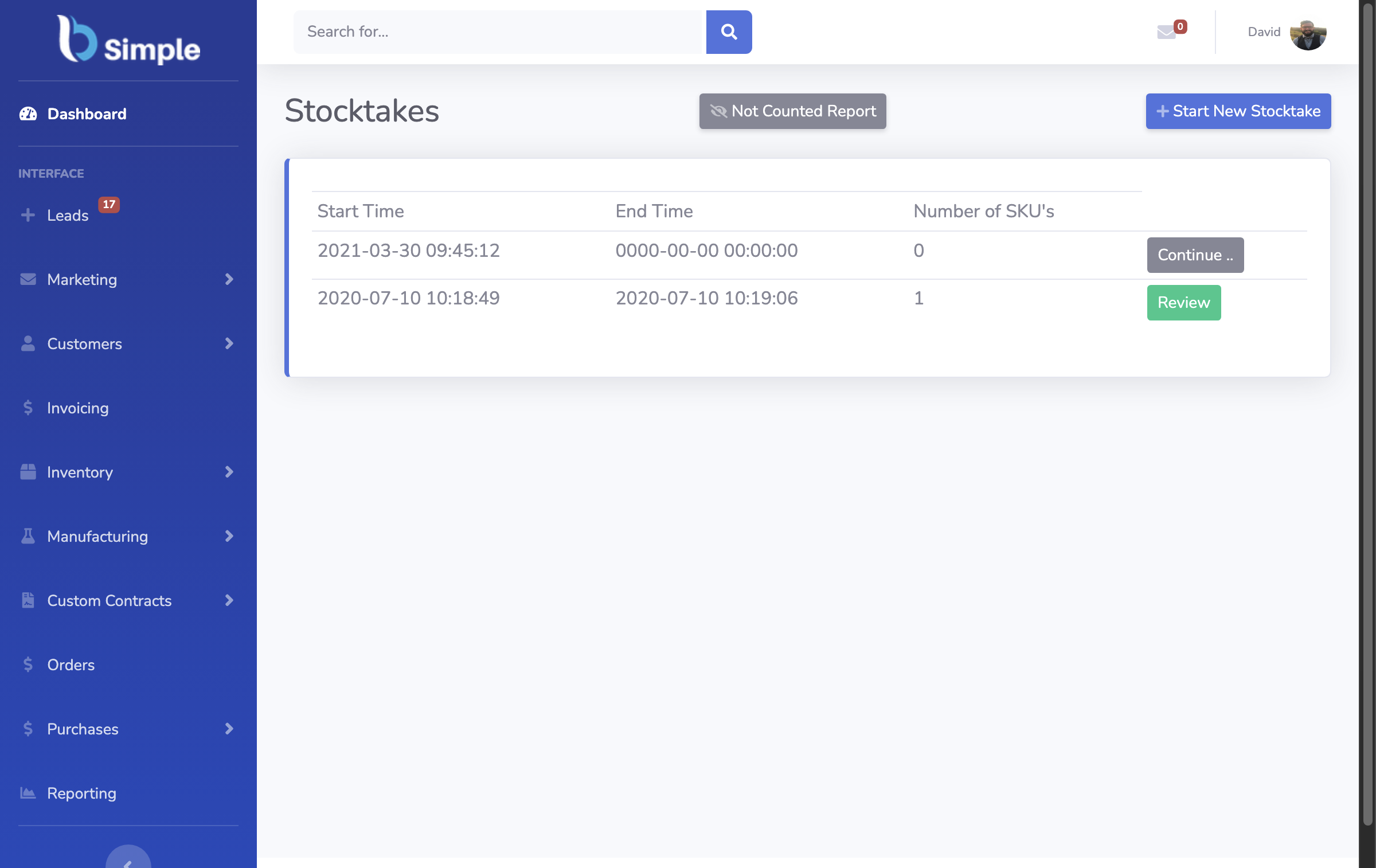
We build BSimple, so weigh that — and note it is neither open source nor a Windows download. It is cloud, browser-based business management: it runs on any Windows PC (and any phone or tablet) with nothing installed, holding one record across stock, orders, purchasing and invoicing, with the accounting handoff to Xero or MYOB designed rather than built, and scanning from any phone browser. From $180/month (AUD) with a free trial.
The honest reverse: if data sovereignty or source-code access are hard requirements, open source remains the right category, and no trial changes that. The software types guide shows where each approach sits.
Frequently Asked Questions
Does BSimple have a Windows desktop app?
No — and it does not need one. BSimple runs in any modern browser on Windows, which means no installation, no version drift between PCs, and the same record from the desk, the phone and the warehouse. A desktop app would put the record back on one machine.
Can open source inventory software run fully offline?
A desktop install can — that is its genuine advantage. The cost is the single-machine record: whatever else touches the stock (a second PC, a phone, the bookkeeper) reconciles by hand. For one machine and one person, that works; beyond that, the sync work grows faster than the licence savings.
What does self-hosting actually involve?
The stack itself, plus backups that are tested rather than assumed, upgrades applied on the project's schedule, security patching, and the integrations — the accounting bridge above all. Budget hours per month, not a one-off setup afternoon, and budget who gets called when it breaks.
Is open source right for a small business?
It is right when technical comfort in-house meets stable, simple requirements — one site, one catalogue, no portal ambitions. When the team's scarcest resource is time, hosted products shift the maintenance off your calendar. The comparison to run is licence-versus-maintenance-hours, honestly priced.

BSimple