
Guide / evaluating vendors
Evaluating a named product, honestly
You searched a specific name — and we will not pretend to compare a product we cannot verify. What we can do honestly: hand you the evaluation that works for any named business management product, and state plainly where BSimple sits in the same aisle.
The key facts
- The honest limit: several unrelated products carry the "Jupiter" name across industries, and we cannot verify which you mean — so this page compares nothing we cannot back.
- What transfers instead: a five-point evaluation that works on any named business management product, in any market.
- BSimple's card for the same evaluation: operations software — stock, orders, purchasing, invoicing on one record — for wholesale, manufacturing and distribution; from $180/month AUD.
- The decision rule: the product whose record survives a real week on your data wins, whatever its name.
- 01The key facts
- 02Why this page refuses to compare
- 03The five-point evaluation that works on any product
- 04BSimple's card, for the same test
Why this page refuses to compare
Product-name searches are usually the last stop before a decision, which makes them the moment most vulnerable to marketing. Many software pages respond with a comparison table built from the competitor's brochure — claims about a product the author has never run, at a version that may not exist anymore. We would rather be useful than decorative: several unrelated products carry the Jupiter name in different markets, we cannot verify which one you mean, and inventing a feature list for it would be exactly the dishonesty this site tries to avoid.
What carries over from any search like this is method. A named product earns a shortlist slot the same way an unnamed one does: against your workflows, on your data, with someone accountable.
The five-point evaluation that works on any product
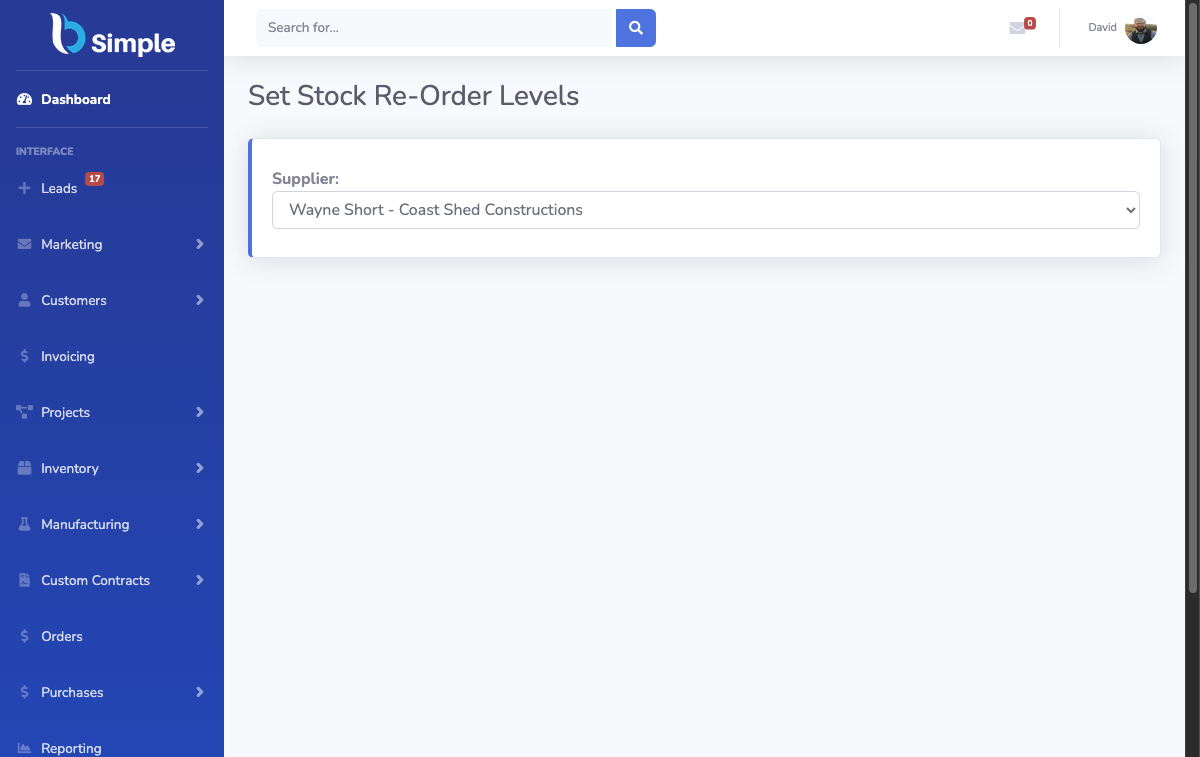
- Where does the record live? Does the product hold stock, orders and invoicing truthfully on one dataset — or orchestrate, report on, or complement a record that lives elsewhere?
- What does the boundary look like? Ask exactly what crosses to your accounting system, when, and who reconciles the gaps. Vague answers here are the most expensive kind.
- Who owns it after the sale? Implementation, configuration, upgrades: named people or a support queue? The answer predicts year three better than any feature list.
- What does it cost at your size, total? Licence plus implementation plus the hours your team spends working around gaps. Per-seat headlines are marketing; totals are decisions.
- What happens when you leave? Export formats, data access, contract terms. A product that is easy to leave is one that has to keep earning you.
Run all five on the product you were researching, then run them on us — the category behind this comparison explains why the record question leads the list.
BSimple's card, for the same test
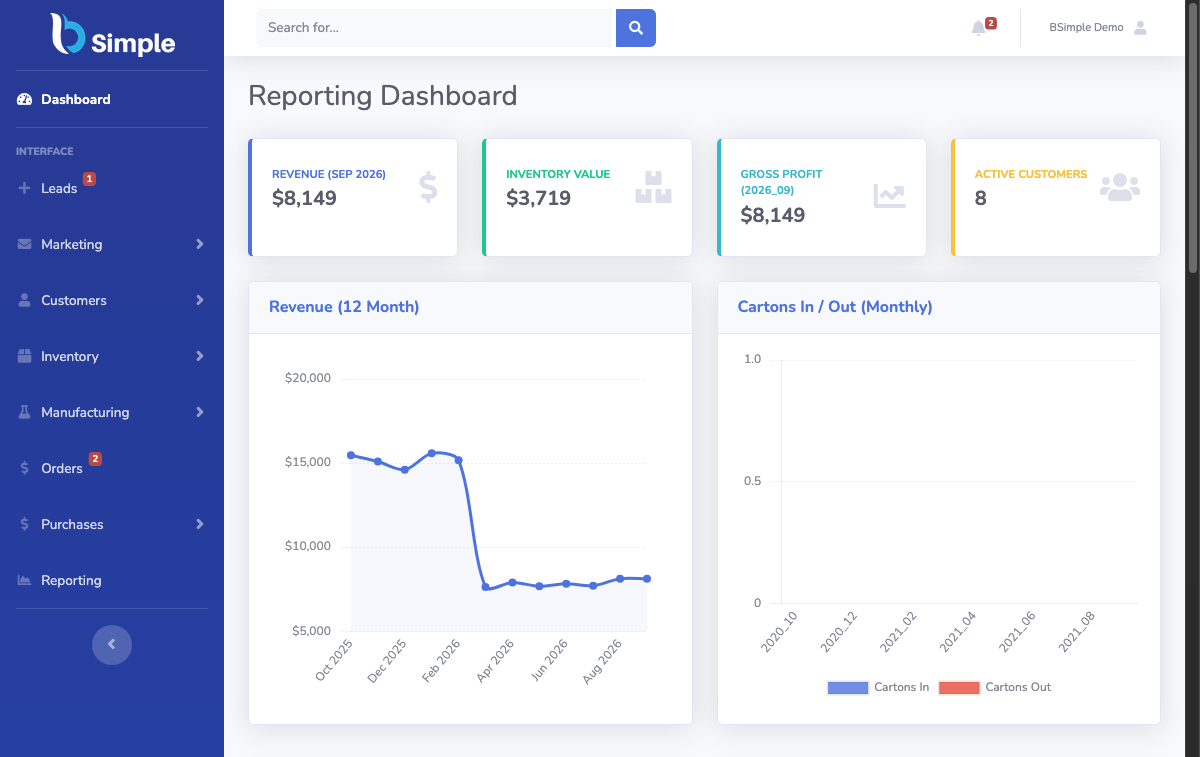
We build BSimple, so weigh that. Record: one live dataset for inventory across locations, multi-level stock, batch and expiry tracking, orders, purchasing and invoicing — with the audit trail behind every action. Boundary: approved invoices push to Xero or MYOB, payment status mirrors back, purchase orders reconcile with GST handling; US accounting integrations are rolling out. Ownership: browser-based, configuration not implementation, upgrades are ours. Cost: $180/$250/$399 per month AUD, every feature in the core plans, the trial is the full product. Exit: the REST API keeps your record readable — no one-way doors.
If the product you searched passes all five points better than that card, buy it with confidence — the point of an honest evaluation is that it can end against us. Comparing products by category and the list of business software types help sort the aisle before the name.
Frequently Asked Questions
What is Jupiter business management software?
We cannot tell you reliably — the name is used by several unrelated products in different markets, and we will not guess at feature lists. Apply the five-point evaluation to whichever "Jupiter" you found; the method does not depend on the name.
Is BSimple comparable to Jupiter?
Without knowing which product you mean, honestly: unknown. What is stated here is BSimple's own card — one operational record, accounting handoff to Xero or MYOB, $180/month AUD up — so you can hold it against anything.
Why do vendor comparison pages disagree so much?
Because most are written from brochures, not usage. The fix is demanding a trial on your own data — a product's behaviour on your products and your team is the only review that cannot be faked.
What is the fastest way to evaluate two products fairly?
Same week, same data, same loop in both: load products, receive a purchase order, sell, count, invoice. Score which record stayed truthful and which team actually used it. An afternoon each — and the decision usually makes itself.
Does BSimple offer a trial?
Yes — the full product, free, because the fifth point of any honest evaluation is whether the vendor trusts you to test the real thing.

BSimple