Complete Inventory Management System Xls Solution

  • Real-time inventory visibility across multiple locations and warehouses with instant stock level updates
  • Seamless Xero integration that eliminates manual data entry and ensures accounting accuracy
  • Automated purchase order generation based on reorder points and supplier lead times
  • Customer ordering portals enabling 24/7 self-service ordering with real-time availability visibility
  • Negative inventory tracking to prevent overselling and manage pre-orders effectively
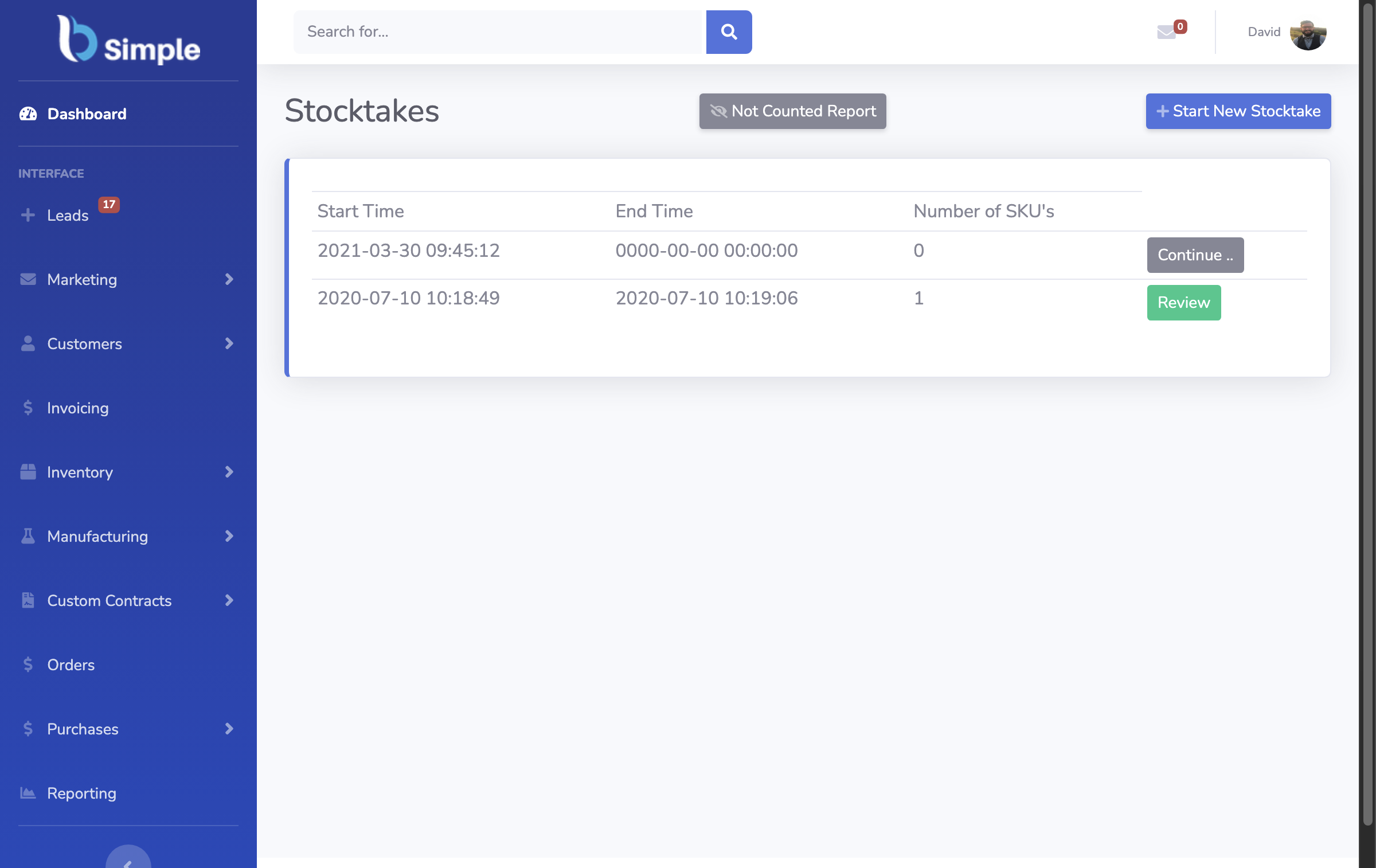
  • Comprehensive stocktake management with automated discrepancy identification for EOFY compliance
  • Just-in-time inventory optimisation reducing cash tied up in excess stock

Managing inventory with spreadsheets is like trying to run a wholesale business with a calculator and a prayer — it works until it doesn’t. If you’re still relying on inventory management system xls files to track stock across multiple warehouses, manage customer orders, and reconcile with your accounting, you’re probably spending hours each week wrestling with manual updates and formula errors. See also our Inventory Management Software for a complete picture of how modern cloud solutions transform the way Australian wholesalers, manufacturers, and distributors operate. The truth is, Excel spreadsheets were never designed for real-time inventory management. They’re static, prone to human error, and they don’t talk to your accounting system. When you’re managing hundreds or thousands of SKUs across multiple locations — whether you’re a Sydney coffee roaster tracking bean inventory or a Melbourne brewery managing hop stock — spreadsheets become a liability. You’ll face duplicate orders, stockouts that surprise you, overstocking that ties up cash, and reconciliation nightmares at EOFY. BSimple transforms how you manage inventory by replacing those clunky spreadsheets with intelligent, cloud-based inventory management that integrates seamlessly with Xero. Real-time stock visibility, automated purchase orders, customer ordering portals, and comprehensive reporting — all without the spreadsheet headaches. For Australian SMBs serious about scaling operations without scaling admin burden, moving beyond xls is non-negotiable.

Move Beyond Spreadsheets to Real-Time Inventory Management

The limitations of spreadsheet-based inventory management become painfully obvious when your business grows beyond a handful of SKUs. Excel inventory management system xls approaches lack the automation that keeps pace with modern wholesale and manufacturing operations. Every time someone updates inventory in one location, they’re manually entering data that should synchronise automatically. Every customer order requires someone to manually check stock levels, create a purchase order, and update multiple sheets. Every supplier delivery needs manual entry into your spreadsheet and then again into Xero — double-handling that wastes time and introduces errors. Australian wholesalers and distributors lose thousands of dollars annually to spreadsheet inefficiencies. A Melbourne distributor might oversell stock because their real-time visibility is limited to whatever was last manually entered. A Sydney manufacturer might miss reorder points because they’re buried in a formula somewhere in a spreadsheet nobody fully understands. A Brisbane wholesaler might struggle with EOFY stocktakes because their system records don’t match physical counts — creating GST compliance headaches. BSimple’s cloud-based approach solves these problems through intelligent automation. Stock levels update in real-time as orders are placed and received. Purchase orders generate automatically when inventory falls below reorder points. Your Xero accounting syncs automatically, eliminating manual data entry and reconciliation errors. Customer ordering portals let your clients place orders 24/7 without requiring your staff to manually process them. The result? You recover hours each week previously lost to spreadsheet management, reduce ordering errors, prevent stockouts that lose sales, and maintain accurate financial records. For businesses managing just-in-time inventory — where timing is everything — this real-time visibility becomes a competitive advantage.

Why Spreadsheets Fail at Inventory Management

Why Spreadsheets Fail at Inventory Management

Spreadsheet-based inventory management system xls solutions create a false sense of control. They look organised on the surface, but they’re fundamentally limited for managing complex inventory operations. First, there’s the visibility problem. In a spreadsheet, you see whatever data was last entered — not what’s actually happening right now. If someone forgets to update a cell, or if two people edit the same file simultaneously, your data becomes unreliable. You can’t track negative inventory situations where customers place orders against stock that hasn’t arrived yet. You can’t see which products are moving slowly and tying up cash. You can’t identify fast-moving SKUs that need more aggressive restocking. Our customer ordering portal demonstrates how modern inventory systems provide visibility that spreadsheets simply can’t match. Second, there’s the integration problem. Your inventory spreadsheet lives in isolation, separate from your Xero accounting, your supplier systems, and your customer data. When stock arrives, someone manually enters it into the spreadsheet and then into Xero — creating opportunities for discrepancies. When customers place orders, you manually check your spreadsheet, then manually create the order in Xero. When you do stocktakes, you’re comparing physical counts to a spreadsheet that may not reflect reality. Third, there’s the scalability problem. A spreadsheet might work when you’re managing 50 SKUs across one location. But when you’re managing 500 SKUs across three warehouses, with multiple suppliers and dozens of customers, spreadsheets become unmanageable. You’ll have version control nightmares (which file is the current one?), formula errors that cascade through your data, and staff who don’t understand how the system works. For Australian manufacturers and distributors, this lack of scalability means you can’t grow without proportionally increasing administrative overhead. You’re not actually growing your business — you’re growing your data entry burden.

How Cloud-Based Inventory Management Transforms Operations

How Cloud-Based Inventory Management Transforms Operations

Moving from inventory management system xls to a proper cloud-based solution isn’t just about replacing spreadsheets — it’s about fundamentally changing how your business operates. Real-time inventory visibility means you always know exactly what stock you have, where it is, and when you need to reorder. For a Sydney coffee roaster managing seasonal demand and multiple bean varieties, this means never overselling stock or missing customer orders due to unexpected stockouts. For a manufacturing business with complex supply chains, this means understanding exactly where materials are in your production pipeline. Automated purchase order generation takes the guesswork out of reordering. You set reorder points for each product based on your sales velocity and supplier lead times. When stock falls below that point, the system automatically generates a purchase order to your supplier. No more manually checking spreadsheets, no more forgetting to order something, no more emergency orders that disrupt cash flow. Just-in-time inventory management becomes genuinely possible — you can maintain lower stock levels while still meeting customer demand, freeing up cash that would otherwise be tied up in excess inventory. Xero integration eliminates the double-handling that plagues spreadsheet-based systems. When you receive stock, it updates automatically in both your inventory system and your Xero accounts. When customers place orders, the financial transaction records automatically. When you do stocktakes, discrepancies highlight immediately so you can investigate. This integration also means your financial reporting is always accurate — no more EOFY surprises where your physical inventory doesn’t match your records. The Xero integration BSimple provides ensures your accounting and inventory data are always in sync, eliminating reconciliation headaches and ensuring GST compliance. Customer ordering portals transform how your wholesale customers interact with you. Instead of emailing or calling with orders, they log into a portal, see real-time stock availability, and place orders themselves. This reduces your administrative burden, reduces order errors (they can see exactly what’s available), and improves customer satisfaction (they get instant confirmation of availability). For distribution businesses with dozens of regular customers, this feature alone can save 10+ hours per week in manual order processing.

Implementing Cloud Inventory Management for Australian Businesses

Implementing Cloud Inventory Management for Australian Businesses

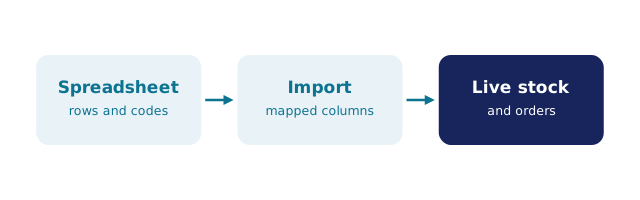
The transition from inventory management system xls to cloud-based management sounds daunting, but it doesn’t need to be. The key is choosing a solution built specifically for Australian wholesale, manufacturing, and distribution businesses — not a generic enterprise system that requires months of implementation and thousands in consulting fees. BSimple is designed for SMBs who want sophisticated inventory management without the enterprise complexity. Implementation typically takes weeks, not months. You’re not rebuilding your entire business process — you’re replacing your spreadsheets with a system that works the way your business actually operates. Start by importing your current product list and stock levels. The system handles the data migration, so you’re not manually re-entering everything. Then you configure your reorder points, supplier details, and customer information. Your team gets trained on the new system — usually a few hours of hands-on training is enough to get everyone comfortable. Then you go live, and suddenly you have real-time inventory visibility, automated purchase orders, and Xero integration that works. For businesses doing EOFY stocktakes, cloud-based inventory management is a game-changer. Instead of spending days counting physical stock and then days reconciling to your spreadsheets, you use the system’s stocktake module. You count physical inventory, enter it into the system, and it automatically identifies discrepancies. You investigate the variances, make adjustments, and your records are accurate. No more surprise inventory write-offs at year-end. Negative inventory tracking — the ability to see when customers have ordered stock that hasn’t arrived yet — becomes standard. This is crucial for manufacturers and distributors who often operate on pre-orders or committed orders. You can see exactly how much stock is committed to customer orders, how much is physically available, and how much is on order from suppliers. This visibility prevents double-selling and ensures you meet customer commitments. The learning curve for staff is minimal because cloud-based systems are designed to be intuitive. Your team members aren’t learning complex spreadsheet formulas — they’re using a system that works like the tools they already use. Within a few weeks, they’re more productive than they were with spreadsheets because they’re not spending time on manual data entry and reconciliation. For Australian businesses serious about operational efficiency, moving beyond spreadsheet-based inventory management isn’t optional — it’s essential. The question isn’t whether you can afford to implement proper inventory management. It’s whether you can afford not to.

Frequently Asked Questions

What are the main advantages of cloud inventory management over Excel spreadsheets?

Cloud systems provide real-time visibility, automatic Xero integration, automated purchase orders, customer ordering portals, and eliminate manual data entry errors that plague spreadsheets. You recover hours weekly and maintain accurate financial records automatically.

How does Xero integration improve inventory management?

Integration ensures stock movements automatically update your accounting records, eliminating double-handling and reconciliation errors. Your financial reporting is always accurate, and EOFY stocktakes become straightforward rather than chaotic.

Can cloud inventory management handle negative inventory tracking?

Yes, cloud systems track stock committed to customer orders versus physically available stock, preventing overselling and ensuring you meet customer commitments even when managing just-in-time inventory.

Is implementing cloud inventory management difficult for Australian SMBs?

Implementation typically takes weeks, not months. Data migration is handled automatically, and staff training requires only a few hours. Most teams are productive within weeks because cloud systems are designed to be intuitive.

How do customer ordering portals reduce administrative burden?

Customers place orders themselves through the portal, seeing real-time availability and receiving instant confirmation. This eliminates manual order processing, reduces errors, and improves customer satisfaction significantly.

What happens to my data if I switch from spreadsheets to cloud inventory management?

Your existing product lists and stock levels import automatically into the cloud system. You configure reorder points and supplier details, then go live with full data continuity and no manual re-entry required.

How does automated purchase order generation improve cash flow?

Automated reordering based on sales velocity and supplier lead times lets you maintain lower stock levels while meeting demand. This frees up cash previously tied up in excess inventory, improving working capital management.