Inventory Management System Java Project with Xero
- Real-time inventory tracking across multiple warehouses and locations with instant stock visibility
- Automated purchase order generation based on reorder points and demand forecasting algorithms
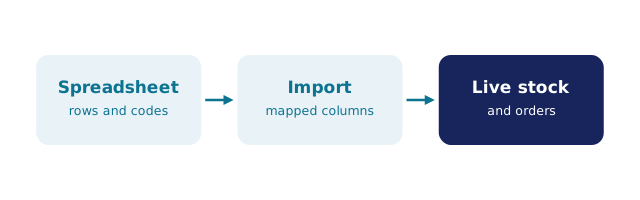
- Seamless Xero integration synchronising inventory movements with financial records automatically
- Customer ordering portals enabling self-service ordering and real-time stock availability checking
- Negative inventory tracking and just-in-time inventory management for optimised working capital
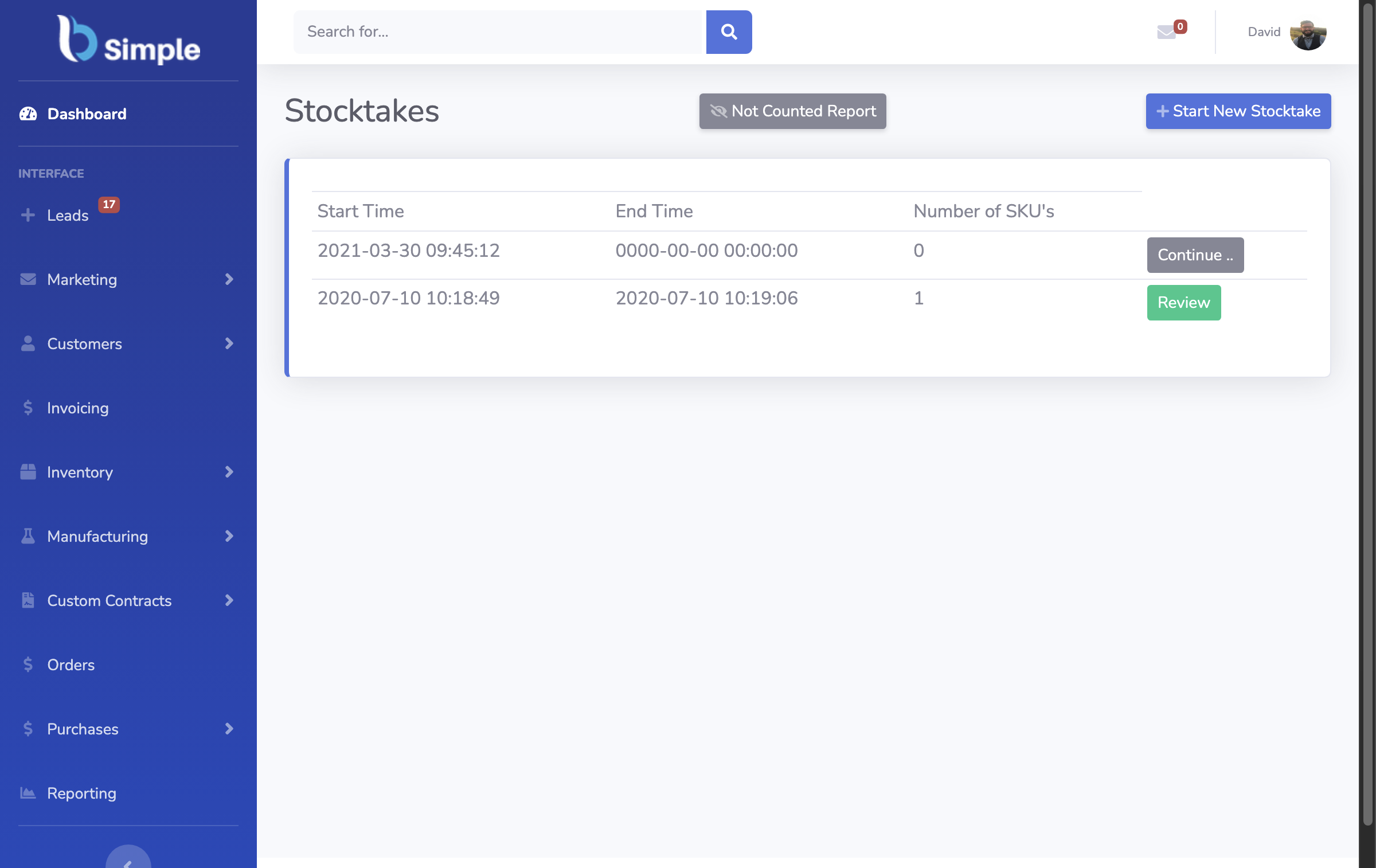
- Comprehensive stocktake management with barcode scanning and automated reconciliation capabilities
- GST compliance tracking and EOFY reporting functionality for Australian regulatory requirements
Building an inventory management system java project is a smart move for Australian wholesalers, manufacturers, and distributors looking to streamline operations—see also our Inventory Management Software for a complete solution that integrates seamlessly with your existing business tools. Java-based inventory systems offer flexibility, scalability, and robust performance for businesses managing complex stock levels across multiple locations. Whether you’re a Sydney coffee roaster tracking bean inventory or a Melbourne brewery monitoring ingredient stock, a well-designed Java inventory project can transform how you manage purchasing, orders, and customer fulfillment. The beauty of developing a custom Java inventory management system is that you can tailor it precisely to your business needs—no bloated features you’ll never use, just the functionality that matters. Many Australian SMBs find that off-the-shelf solutions don’t quite fit their unique workflows, making a Java-based approach increasingly attractive. However, building from scratch requires significant development time and ongoing maintenance. This is where understanding the core components of an inventory management system becomes crucial: real-time stock tracking, automated purchase order generation, customer ordering portals, and integration with accounting software like Xero. A properly implemented Java inventory system can reduce stocktake time by 40-60%, minimise human error in order processing, and provide the visibility needed to make smarter purchasing decisions. For EOFY stocktakes and GST compliance tracking, having a system that captures accurate, timestamped inventory data is invaluable.
Why Java Powers Modern Inventory Solutions
When evaluating an inventory management system java project, understanding the technical architecture is essential. Java’s platform independence means your system can run on Windows, Linux, or cloud infrastructure without modification—a significant advantage for distributed teams. The language’s strong typing and comprehensive libraries make it ideal for handling complex inventory calculations, particularly when dealing with negative inventory tracking, which is critical for Australian wholesalers who operate on tight margins. A robust Java inventory system should incorporate a relational database (MySQL or PostgreSQL) for reliable data storage, RESTful APIs for seamless integration with other business systems, and a user-friendly frontend that doesn’t require extensive training. Many organisations underestimate the importance of user interface design; your team will spend hours daily in this system, so intuitive navigation directly impacts productivity and adoption rates. Java frameworks like Spring Boot have revolutionised how quickly developers can build scalable applications, reducing development timelines significantly. When considering whether to build or buy, factor in not just initial development costs but ongoing maintenance, security updates, and feature enhancements. Our cloud-based inventory management solution handles these concerns for you, with regular updates and security patches included. For businesses with specific industry requirements—such as batch tracking for food manufacturers or serial number management for electronics distributors—a custom Java project offers unparalleled flexibility. The key is ensuring your development team understands inventory management principles, not just Java syntax.
Seamless Xero Integration for Financial Accuracy
Xero integration stands out as a game-changer for Australian businesses, and any inventory management system java project should prioritise seamless accounting software connectivity. The ability to synchronise inventory movements directly with your general ledger eliminates manual data entry, reduces reconciliation headaches, and ensures your financial records reflect actual stock positions. When a sale occurs in your inventory system, it should automatically create a corresponding invoice in Xero; when you receive stock, the purchase order should flow directly into accounts payable. This automation is particularly valuable during EOFY when auditors and accountants need absolute confidence in inventory valuations. Java’s Xero API libraries make this integration straightforward for experienced developers, though the nuances of managing inventory adjustments, stock write-offs, and GST implications require careful implementation. Many Australian wholesalers struggle with the gap between their inventory system and accounting records—products recorded as sold but not yet invoiced, stock received but not yet matched to purchase orders, or inventory adjustments that bypass the accounting system entirely. A well-designed Java inventory project with tight Xero integration eliminates these gaps. Consider how your system will handle: stock movements between locations, customer returns and credit notes, inventory write-offs due to damage or obsolescence, and the complex calculations required for accurate cost of goods sold (COGS) reporting. Our Xero integration capabilities ensure these processes happen automatically, giving you accurate financial reporting and freeing your team to focus on strategic decisions rather than data reconciliation.
Customer Portals That Drive Operational Efficiency
Customer ordering portals represent a crucial feature for modern inventory management system java projects, particularly for wholesale and distribution businesses serving multiple retail clients. Rather than managing orders via email, phone calls, or spreadsheets, a dedicated portal allows customers to check real-time stock availability, place orders, and track delivery status independently. This self-service capability dramatically reduces administrative burden on your team while improving customer satisfaction—your retail clients can order at 11 PM without waiting for your office to open. Java’s web framework capabilities (Spring MVC, Vaadin, or similar) enable development of responsive portals that work seamlessly on desktop and mobile devices. Authentication and security are paramount; your system must ensure customers only see products and pricing relevant to them, with role-based access controlling what each user can do. For a Melbourne brewery supplying hospitality venues across Victoria, a customer portal might display real-time keg inventory, allow bulk ordering with quantity discounts, and generate automated delivery schedules. The portal should integrate with your inventory system to prevent overselling—if you have 50 units available and one customer orders 40, the system should immediately reflect only 10 units remaining for other customers. Advanced features might include automated reordering for regular customers, integration with delivery scheduling, and order history analytics. Order management functionality becomes exponentially more valuable when customers can self-serve, reducing your operational overhead whilst improving order accuracy and customer retention rates.
Advanced Tracking and Stocktake Capabilities
Negative inventory tracking and stocktake management represent sophisticated features that distinguish professional inventory management system java projects from basic alternatives. Negative inventory occurs when you sell or allocate stock before physically receiving it—common in wholesale operations where customer orders drive purchasing decisions. Rather than preventing negative inventory, a smart system should track it, alert managers, and provide visibility into committed stock versus available stock. This capability is essential for just-in-time inventory operations, where you’re deliberately keeping minimal stock on hand and relying on rapid supplier replenishment. A Java-based system can implement sophisticated algorithms to calculate safety stock levels, reorder points, and economic order quantities (EOQ) based on historical demand patterns and supplier lead times. Stocktake management functionality should streamline the physically demanding process of counting inventory, particularly important for EOFY compliance and GST audit requirements. Rather than printing spreadsheets and manually entering counts, modern systems use barcode scanning or RFID technology, with real-time reconciliation against system records. For a Sydney coffee roaster managing 200+ SKUs across green beans, roasted products, and equipment, an automated stocktake process reduces counting time from days to hours whilst dramatically improving accuracy. The system should identify discrepancies, flag potential shrinkage or theft, and generate adjustment journals automatically. Cycle counting capabilities allow continuous inventory verification rather than disruptive full stocktakes. Our comprehensive stocktake management features handle these complexities, ensuring your inventory records remain accurate throughout the year and simplifying year-end financial reporting obligations.
Frequently Asked Questions
What programming languages are best for building an inventory management system?
Java remains excellent for scalability and enterprise features, but Python (Django/Flask) offers faster development, whilst C# (.NET) provides Windows integration. Choose based on your team’s expertise and specific requirements rather than language popularity alone.
How long does it take to develop a custom Java inventory system?
A basic system typically requires 3-6 months for a small team, whilst a comprehensive solution with Xero integration, customer portals, and advanced analytics may take 9-18 months. Timeline depends heavily on complexity, team size, and feature scope.
Is building custom inventory software cheaper than buying a solution?
Initial development costs favour custom builds, but ongoing maintenance, security updates, hosting, and feature enhancements often make commercial solutions more economical long-term. Calculate total cost of ownership over 5 years, not just upfront expenses.
What database should I use for inventory management?
PostgreSQL offers excellent reliability and advanced features for complex queries, whilst MySQL provides simplicity and widespread hosting support. MongoDB suits unstructured data but complicates inventory calculations. Most Australian businesses succeed with PostgreSQL or MySQL.
How do I ensure accurate Xero integration with my inventory system?
Use Xero’s official API libraries, implement comprehensive testing for all transaction types, maintain detailed audit logs, and regularly reconcile inventory records against Xero’s general ledger. Consider engaging Xero-certified developers for complex implementations.
Can I track negative inventory in Java-based systems?
Absolutely. Java’s numeric types handle negative values seamlessly. The challenge is business logic: deciding when to allow negative inventory, setting alert thresholds, and automatically generating purchase orders when stock drops below reorder points.
What security measures should my inventory system include?
Implement role-based access control, encrypt sensitive data, use HTTPS for all communications, maintain detailed audit logs, implement two-factor authentication for admin users, and conduct regular security testing. Compliance with Australian Privacy Principles is essential.