
Guide / BSimple
Inventory Management System For Ecommerce Designed for Distributors
Whether you're a Sydney-based coffee roaster managing seasonal stock fluctuations or a Melbourne brewery scaling your distribution network, you need visibility across your entire operation in real time.
- Real-time inventory visibility across multiple warehouse locations and sales channels simultaneously
- Seamless Xero integration for automated accounting and GST compliance tracking
- Customer ordering portals with live stock availability and order tracking capabilities
- Automated purchase order generation based on customisable reorder points and thresholds
- Negative inventory tracking for backorders and pre-orders without overselling
- Just-in-time inventory management to minimise storage costs and product waste
- Comprehensive stocktake management tools for accurate EOFY reconciliation and compliance
Welcome to our guide on inventory management system for ecommerce — see also our Inventory Management Software for the full picture. Running an ecommerce business as a distributor, manufacturer, or wholesaler comes with unique challenges. You're juggling multiple sales channels, managing stock across warehouses, fulfilling customer orders, and keeping your books balanced with the ATO. An inventory management system designed specifically for ecommerce isn't just about tracking what you've got on the shelf — it's about automating the entire flow from purchase order to customer delivery.
For Australian SMBs in wholesale and manufacturing, the stakes are particularly high during EOFY stocktakes and GST compliance periods. A proper inventory management system takes the pain out of these critical times. Whether you're a Sydney-based coffee roaster managing seasonal stock fluctuations or a Melbourne brewery scaling your distribution network, you need visibility across your entire operation in real time. The right system doesn't just tell you what's in stock; it predicts what you'll need, automates reordering, and integrates seamlessly with your accounting software so you're never caught out by discrepancies between your inventory and your financial records.
- 01Why Ecommerce Distributors Need Specialised Inventory Systems
- 02Streamlined Operations and Real-Time Visibility
- 03Cost Control and Financial Accuracy
- 04Scalability and Competitive Advantage
Why Ecommerce Distributors Need Specialised Inventory Systems
The challenge with most generic inventory systems is they're built for retail, not for businesses like yours. They don't understand the complexities of wholesale pricing tiers, bulk orders, or the need to manage inventory across multiple distribution points. An ecommerce inventory management system built for distributors works differently. It recognises that you're not just selling to end customers — you're managing relationships with resellers, managing backorders, and often operating on thin margins where every dollar of tied-up stock matters.
Real-time visibility is non-negotiable. When a customer places an order through your online portal, your system needs to instantly confirm stock availability, allocate inventory, and trigger the fulfillment process. But it goes deeper than that. You need to see which products are moving fast, which are sitting idle, and where your cash is tied up in slow-moving stock. This is where automation becomes your competitive advantage. Instead of manually checking stock levels and emailing suppliers, your system can automatically generate purchase orders when inventory drops below your set thresholds. For a Melbourne brewery managing seasonal demand, this means never running out of popular lines during peak season, and never overordering products that won't move in winter.
Integration with Xero is critical for Australian businesses managing GST and tax compliance. When your inventory system talks directly to your accounting software, you eliminate manual data entry, reduce errors, and ensure your stock valuations match your financial statements. This is particularly important during EOFY when the ATO expects your records to be spot-on.
Streamlined Operations and Real-Time Visibility
Customer ordering portals are transforming how distributors and wholesalers operate. Instead of managing phone calls, emails, and spreadsheets, your customers can log in, see real-time stock availability, place orders, and track shipments themselves. This reduces your administrative burden dramatically while improving customer satisfaction. A customer portal also gives you valuable data about ordering patterns, peak demand times, and which products are your bread and butter.
The beauty of a modern ecommerce inventory management system is that it handles the boring stuff automatically so you can focus on growing your business. Negative inventory tracking prevents overselling — critical when you're managing backorders or pre-orders. Automated purchase order generation means you're always ordering at the right time, not scrambling when stock runs out. Just-in-time inventory capabilities help you minimise storage costs while maintaining service levels. For a Sydney coffee roaster managing fresh product with limited shelf life, this means ordering exactly what you need, when you need it, without waste.
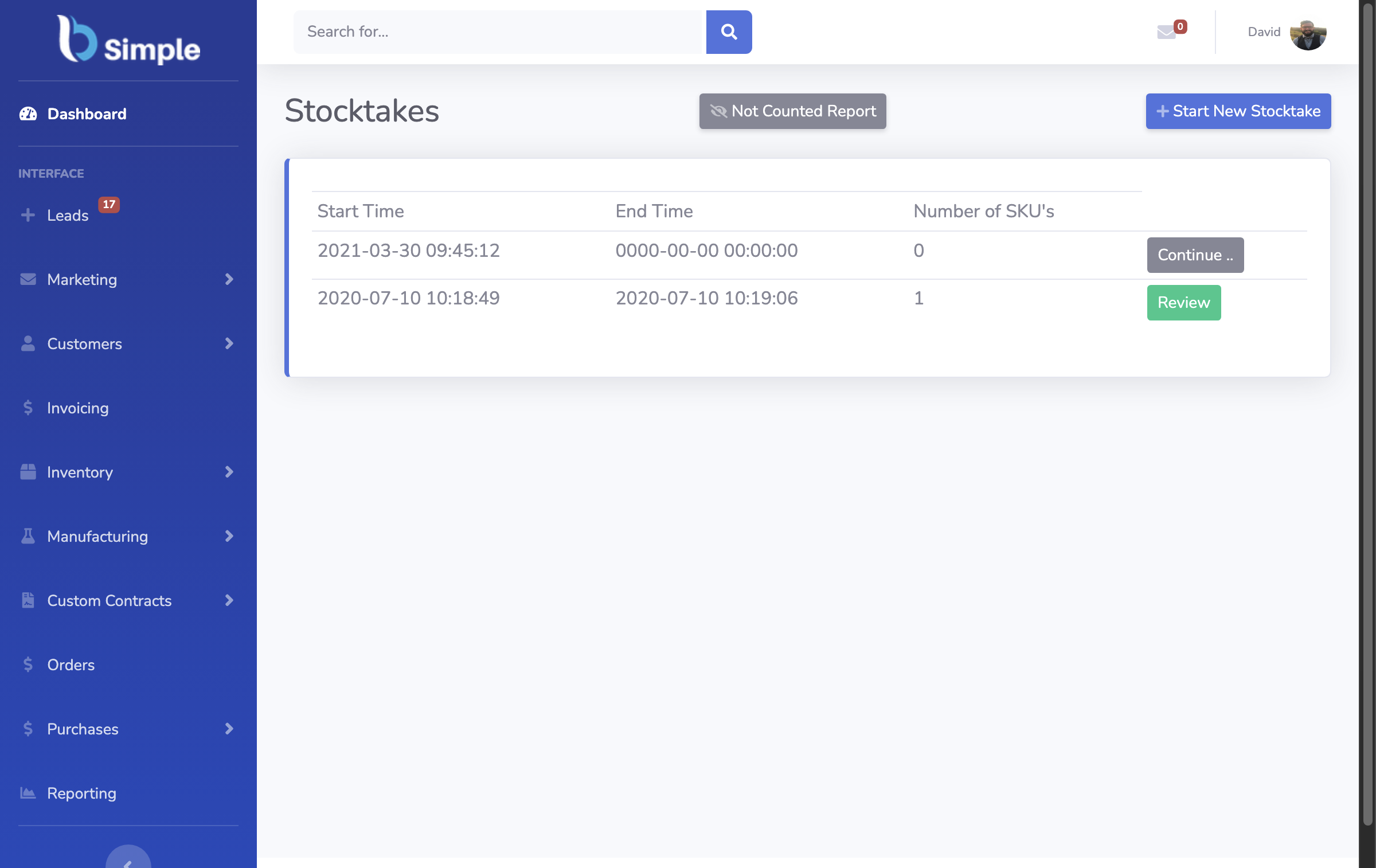
Stocktake management features make your annual or quarterly counts faster and more accurate. Instead of manual counts and spreadsheets, you can conduct stocktakes in your system, automatically reconcile variances, and identify shrinkage or discrepancies immediately. This is invaluable for EOFY compliance and understanding your true cost of goods sold. The system also tracks inventory movements in detail, so if there's a variance, you can investigate the cause rather than just accepting the loss.
Another critical feature is the ability to manage inventory across multiple locations. If you have a warehouse in Sydney and another in Melbourne, or if you're distributing through multiple channels, your system needs to give you a consolidated view while allowing location-specific controls. This prevents the nightmare scenario where you're selling stock from a location that's already been allocated elsewhere.
Cost Control and Financial Accuracy
Cost control is where a proper inventory management system really proves its worth. Every dollar tied up in excess stock is a dollar not working for your business. By providing accurate visibility into stock levels, turnover rates, and aging inventory, you can make smarter purchasing decisions. You'll identify which products are your profit drivers and which are dragging down your margins. This data-driven approach to inventory management is particularly valuable for Australian wholesalers and distributors operating on competitive margins where every percentage point of efficiency matters.
The financial benefits extend beyond just reducing tied-up capital. Fewer stockouts mean fewer lost sales and disappointed customers. Less excess stock means lower storage costs and less risk of obsolescence or spoilage. Automated ordering means you're capturing supplier discounts and managing payment terms more effectively. When you integrate all this with Xero integration, you get complete visibility into your cash flow, inventory valuation, and profitability by product line. This is the information you need to make strategic decisions about which suppliers to work with, which products to promote, and where to invest in growth.
For manufacturing businesses, inventory management becomes even more critical. You need to track raw materials, work-in-progress, and finished goods separately. You need to manage bill of materials so when you receive an order, your system automatically calculates what raw materials you'll need and flags any shortages. You need to track production batches for quality and compliance purposes. A system built for manufacturing and distribution handles all of this without requiring you to maintain multiple spreadsheets or manual processes.
The automation benefits are substantial. Imagine not having to manually reconcile inventory counts against your accounting records. Imagine purchase orders being generated automatically when stock drops below your thresholds. Imagine your customer portal updating in real time as stock moves, so customers always see accurate availability. These aren't nice-to-haves — they're essential for scaling your business without proportionally increasing your headcount.
Scalability and Competitive Advantage
For a closer look at how these capabilities fit together, our warehouse management software guide ties it all together, and the guide to website walks through the practical details. Scalability is built into modern ecommerce inventory management systems from the ground up. Whether you're managing 50 SKUs or 5,000, whether you have one warehouse or five, the system grows with you without requiring a complete overhaul. This is particularly important for Australian SMBs with growth ambitions. You don't want to outgrow your system after two years of success — you want infrastructure that supports expansion into new markets, new product lines, or new distribution channels.
The competitive advantage of having proper inventory management systems cannot be overstated. Your competitors who are still managing inventory through spreadsheets and manual processes are slower to respond to market changes, more prone to errors, and tying up more capital in stock. You're operating with real-time data, automated processes, and integrated financial reporting. When a customer asks if you can deliver 500 units next week, you know instantly whether you can fulfil that order without overselling. When your accountant asks about inventory valuation for EOFY, you have accurate, auditable records ready to go.
Customer experience improvements are often overlooked but critically important. When customers can order through your portal, see real-time stock availability, and track their shipments, they feel confident doing business with you. They're less likely to call asking about order status because they can see it themselves. They're less likely to be frustrated by unexpected stockouts because your system is accurate. They're more likely to reorder because the process is smooth and reliable. For wholesale and distribution businesses, customer satisfaction directly impacts repeat orders and lifetime value.
Integration capabilities extend beyond just Xero. A good system connects with your shipping providers, your CRM, your accounting software, and potentially your ecommerce platform. This creates a seamless flow of information across your entire business. Orders flow from your customer portal to your fulfillment process to your shipping provider to your accounting records, all automatically. This level of integration is what separates professional, scalable operations from those still relying on manual workarounds. For Australian distributors and manufacturers competing in increasingly tight markets, this operational efficiency is what separates the winners from the rest.

Frequently Asked Questions
What is an inventory management system for ecommerce?
An ecommerce inventory management system is software that tracks stock levels, automates purchasing, manages customer orders, and integrates with accounting software. It's designed for wholesale, manufacturing, and distribution businesses selling through multiple channels with real-time visibility and automated workflows.
How does inventory management integrate with Xero?
Direct Xero integration means inventory movements automatically update your accounting records, eliminating manual data entry and ensuring your stock valuations match your financial statements. This is critical for GST compliance and EOFY stocktakes for Australian businesses.
Can an inventory system handle multiple warehouse locations?
Yes, modern systems provide consolidated visibility across multiple locations while allowing location-specific controls. This prevents overselling and ensures stock allocated to one location isn't accidentally sold from another, critical for distributors with multiple warehouses.
What is negative inventory tracking and why does it matter?
Negative inventory tracking allows you to accept backorders or pre-orders without overselling. The system tracks that stock is promised but not yet available, preventing the situation where you sell more than you actually have and disappoint customers.
How does automated purchase order generation work?
You set reorder points for each product. When stock drops below that threshold, the system automatically generates a purchase order to your supplier. This ensures you're ordering at optimal times without manual monitoring or the risk of stockouts.
What features support just-in-time inventory management?
Just-in-time features help you order exactly what you need when you need it, minimising storage costs and waste. This is particularly valuable for perishable products like coffee or beverages where shelf life is limited and excess stock represents direct loss.
How do customer ordering portals improve business efficiency?
Customer portals allow clients to place orders, check stock availability, and track shipments independently. This reduces administrative burden, improves customer satisfaction, and provides valuable data about ordering patterns and demand trends for your business.
BSimple