
Guide / BSimple
Does Xero Integrate With Quickbooks | BSimple
Many businesses using QuickBooks are trying to solve a real problem: their accounting software doesn't handle inventory well, order management is clunky, and they can't give customers a self-service ordering portal.
- Seamless Xero integration that syncs inventory, orders, and financial data automatically without manual entry
- Automated purchase order generation triggered by reorder points, feeding directly into Xero as bills
- Customer self-service ordering portal that creates sales invoices in Xero instantly and tracks GST correctly
- Just-in-time inventory management with negative inventory tracking for pre-orders and made-to-order manufacturing
- EOFY stocktake management that reconciles physical counts and adjusts Xero records for accurate tax reporting
- Real-time stock visibility across multiple warehouses with reorder points per location and supplier
- Automated supplier notifications and purchase order workflows that eliminate manual procurement processes
The short answer is no—Xero doesn't directly integrate with QuickBooks. They're two separate accounting platforms that don't talk to each other natively. However, this doesn't mean you're stuck choosing between them or manually shuffling data around. If you're running a wholesale, manufacturing, or distribution business in Australia, the real question isn't whether Xero integrates with QuickBooks, but rather whether you should be using Xero in the first place—and what tools can help you get the most out of it.
Most Australian SMBs using QuickBooks are actually looking to migrate to Xero because it's built for the local market. Xero handles GST compliance automatically, integrates with Australian banks seamlessly, and works brilliantly with other local software. The reason businesses ask about Xero-QuickBooks integration is usually because they're either transitioning between the two or trying to connect their accounting system with their operational tools. The good news? There are smarter solutions than trying to force two accounting platforms to work together.
If you're managing inventory, orders, and customer relationships alongside your accounting, the real integration you need is between your accounting software and a dedicated inventory management system. That's where BSimple comes in. Rather than wrestling with QuickBooks, many Australian distributors and manufacturers have found it's far more efficient to use Xero for accounting and BSimple for everything else—inventory, orders, customer portals, and automated purchasing.
- 01The Truth About Xero and QuickBooks Integration
- 02Why Xero and BSimple Beat Xero-QuickBooks Integration
- 03Real Integration Means Operational Visibility
- 04Making the Move from QuickBooks to Xero and BSimple
The Truth About Xero and QuickBooks Integration
Let's talk about why this question comes up so often. Many businesses using QuickBooks are trying to solve a real problem: their accounting software doesn't handle inventory well, order management is clunky, and they can't give customers a self-service ordering portal. They think integrating QuickBooks with Xero might solve these issues, but that's not actually what either platform does. QuickBooks is an accounting tool. Xero is an accounting tool. Neither is designed to manage your warehouse, track stock levels, or automate your purchasing workflows.
The businesses that have cracked this are the ones that stopped trying to make their accounting software do everything. A Sydney-based coffee roaster we work with was using QuickBooks and manually managing inventory in spreadsheets. They switched to Xero for better GST handling and integrated BSimple for inventory and order management. Within weeks, they had real-time stock visibility, automated reorder points, and their customers could place orders through a self-service portal. Their accounting reconciliation actually became easier because data flowed cleanly from their operations into Xero.
If you're currently on QuickBooks and considering a move, Xero is genuinely the better choice for Australian businesses. But the real transformation happens when you pair Xero with the right operational software. Order management systems that integrate with Xero give you the visibility and automation that accounting software alone simply cannot provide.
Why Xero and BSimple Beat Xero-QuickBooks Integration
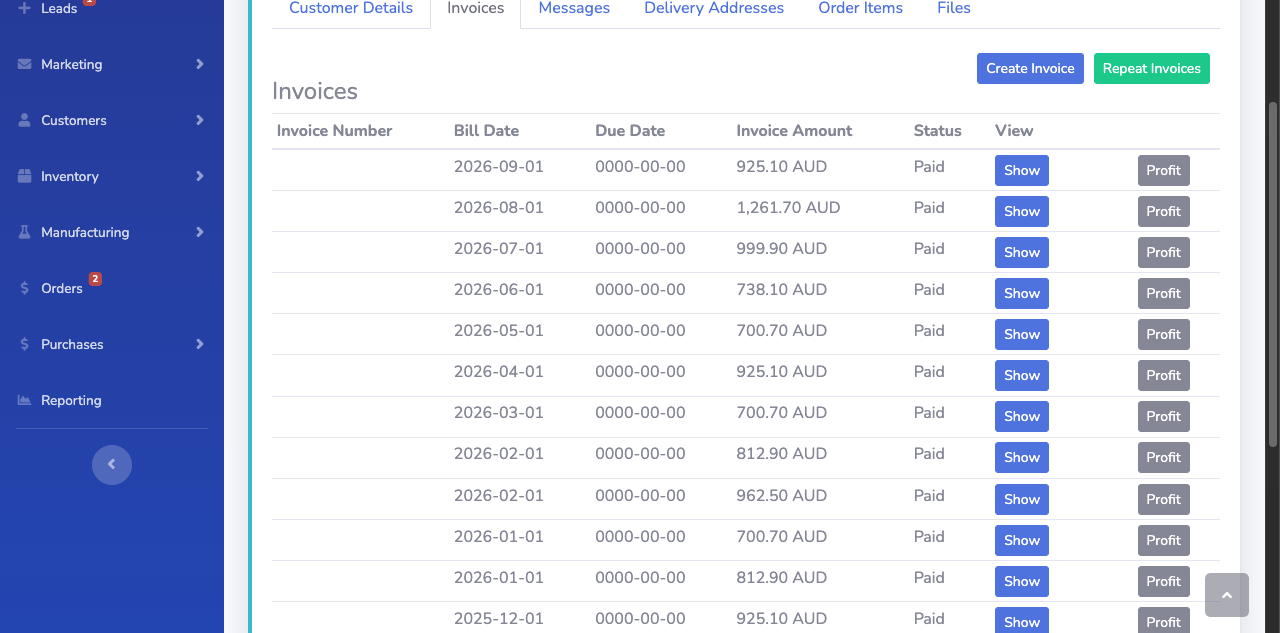
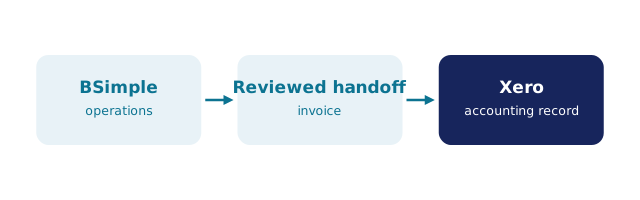
So what should you actually do if you want better integration between your accounting and operations? The answer is to use Xero as your accounting backbone and layer on a purpose-built tool like BSimple for inventory, orders, and customer management. This architecture is far more powerful than trying to shoehorn integration between two accounting platforms. BSimple's seamless Xero integration means your financial data stays accurate and up-to-date without manual intervention. Every sale recorded in BSimple flows directly into Xero. Every purchase order is tracked. Inventory movements are logged in real-time.
Here's what this looks like in practice for a Melbourne brewery: they manage hundreds of SKUs across multiple warehouses, handle both wholesale and direct-to-consumer orders, and need to track negative inventory for pre-orders. Their old system had QuickBooks for accounting and a separate inventory tool that didn't talk to anything. Data entry was duplicated, reconciliation was a nightmare, and they had no visibility into what was actually in stock versus what was on order. By moving to Xero and BSimple, they now have a single source of truth. When a customer places an order through the customer ordering portal, it automatically creates a sales invoice in Xero, updates inventory, and triggers purchase orders if stock is low.
The integration between Xero and BSimple handles the accounting and operational sides properly, which is what you actually need. You're not forcing two accounting systems to work together. Instead, you're using the right tool for each job, and they communicate seamlessly. This is the integration that matters for wholesale and manufacturing businesses.
Real Integration Means Operational Visibility
Let's dig into the specific features that make Xero plus BSimple more powerful than trying to integrate two accounting platforms. First, there's automated purchase order generation. When your stock falls below a reorder point, BSimple automatically creates a PO and sends it to your supplier. That PO flows into Xero as a bill when it's received, keeping your accounts payable accurate without manual data entry. QuickBooks can't do this. Xero alone can't do this. But Xero plus BSimple? It's exactly what a distributor needs to manage cash flow properly.
Then there's just-in-time inventory management. Manufacturing businesses especially need to know exactly when materials are arriving so they can schedule production efficiently. BSimple tracks inbound stock, lets you set reorder points per warehouse, and handles negative inventory for pre-orders. This means a manufacturing business can promise delivery to customers before stock physically arrives, because they know exactly when their supplier's delivery is coming in. All of this feeds back into Xero so your financial reports reflect actual inventory positions, not guesswork.
Stocktake management is another area where the right integration matters enormously. Every EOFY, Australian businesses need to reconcile their system records with physical stock. BSimple's stocktake features let you count inventory efficiently, flag discrepancies, and adjust records. Those adjustments flow into Xero automatically, ensuring your financial statements are accurate for tax time. This is the kind of integration that actually solves real problems for Australian SMBs.
Making the Move from QuickBooks to Xero and BSimple
Customer ordering portals are another feature that highlights why Xero-QuickBooks integration isn't the answer. Neither QuickBooks nor Xero provide a customer-facing ordering platform. Businesses need a separate tool for this, and that tool needs to integrate with accounting. BSimple's customer portal lets your wholesale customers log in, see their account balance, check stock availability, and place orders. Those orders automatically become sales invoices in Xero. Your customers get self-service convenience, you get accurate financial records, and there's zero manual data entry. This is integration that drives business value.
Negative inventory tracking is particularly important for manufacturing and made-to-order businesses. You might take an order from a customer for delivery in three weeks, even though the stock doesn't exist yet. Your manufacturing system needs to know about this commitment so it can schedule production. Your accounting system needs to know about it so it can forecast cash flow. BSimple tracks negative inventory separately, so you can see what's physically on hand versus what's committed to orders. When you manufacture or receive stock, those units are allocated to pre-orders automatically. Xero captures the financial side correctly because BSimple feeds it accurate data.
The bottom line is this: if you're asking whether Xero integrates with QuickBooks, you're probably asking the wrong question. The real question is whether your accounting software integrates properly with your operational systems. For Australian wholesale, manufacturing, and distribution businesses, Xero is the better accounting platform—it's built for the local market, handles GST properly, and integrates beautifully with purpose-built operational tools. Pair it with wholesale distribution software like BSimple, and you've got a system that actually works.

Frequently Asked Questions
Can I use QuickBooks and Xero together?
Technically yes, but it's inefficient and creates duplicate data entry. Most businesses using both are in transition. The better approach is to migrate fully to Xero and integrate it with operational software like BSimple for inventory and orders.
Does BSimple integrate with QuickBooks?
BSimple integrates natively with Xero. If you're on QuickBooks, migrating to Xero unlocks BSimple's full capabilities including automated invoicing, inventory sync, and customer portals that talk directly to your accounting.
What's the easiest way to migrate from QuickBooks to Xero?
Xero has migration tools for QuickBooks data. The transition is straightforward for most Australian businesses. Once you're on Xero, integrating with BSimple for inventory and orders is seamless and takes days, not months.
Will I lose data if I switch from QuickBooks to Xero?
No. Xero's migration tools import your chart of accounts, customer data, and historical transactions. Your data transfers cleanly. BSimple then connects to Xero going forward, so all new transactions flow automatically.
Is Xero better than QuickBooks for Australian businesses?
For Australian SMBs, yes. Xero handles GST automatically, integrates with Australian banks, and connects seamlessly with local software like BSimple. QuickBooks is US-focused and requires more manual workarounds for Australian compliance.
How does BSimple's Xero integration work for inventory?
Every inventory movement in BSimple—sales, purchases, adjustments—syncs to Xero automatically. Stock adjustments create journal entries, sales create invoices, and purchase orders create bills. No manual reconciliation needed.
Can customers order through Xero?
Xero doesn't have a customer ordering portal. BSimple provides this feature, and orders placed through the portal automatically create sales invoices in Xero. This is the integration wholesale businesses actually need.
BSimple