
Guide / BSimple
Business Management Software Programs for Manufacturing
Today's solutions are cloud-based, which means you can access your data from anywhere — whether that's the warehouse floor, a supplier's office, or while you're checking stock levels on your mobile during a site visit.
- Real-time inventory tracking across multiple warehouse locations with negative inventory support
- Automated purchase order generation based on stock levels and demand forecasts
- Customer ordering portals for 24/7 order placement and real-time stock visibility
- Seamless Xero integration for automatic financial data synchronisation and reconciliation
- Just-in-time inventory management to reduce holding costs and improve cash flow
- Comprehensive stocktake management tools for accurate EOFY reconciliation and GST compliance
- Bill of materials tracking and production scheduling for manufacturing operations
Welcome to our guide on business management software programs — see also our Inventory Management Software for the full picture. If you're running a wholesale, manufacturing, or distribution business in Australia, you've probably felt the pain of managing inventory across multiple spreadsheets, juggling supplier orders, and trying to keep your customer orders straight. That's where business management software programs come in. These aren't your typical enterprise solutions that require a PhD to set up and a second mortgage to afford. We're talking about practical, cloud-based tools designed specifically for Australian SMBs that actually solve real problems. A Melbourne brewery might be managing hundreds of SKUs across multiple warehouses, while a Sydney coffee roaster needs to track seasonal demand and supplier lead times. Both need software that works with their existing systems — like Xero — without requiring a complete business overhaul. The right business management software program integrates your inventory, orders, purchasing, and customer interactions into one seamless platform. It eliminates the manual data entry that wastes hours each week, reduces stockouts and overstocking, and gives you visibility into what's actually happening in your business. Whether you're dealing with EOFY stocktakes, managing GST compliance, or trying to forecast demand accurately, these programs handle the heavy lifting so you can focus on growing your business.
- 01Why Modern Software Transforms Manufacturing Operations
- 02Manufacturing Complexity Demands Dedicated Software Solutions
- 03Wholesale Efficiency Through Cloud-Based Management
- 04Scale Your Business Without Outgrowing Your Software
Why Modern Software Transforms Manufacturing Operations
The landscape of business management software programs has changed dramatically over the past decade. Gone are the days when you needed to choose between expensive enterprise resource planning (ERP) systems or clunky desktop software that only worked in your office. Today's solutions are cloud-based, which means you can access your data from anywhere — whether that's the warehouse floor, a supplier's office, or while you're checking stock levels on your mobile during a site visit. For Australian businesses specifically, this is a game-changer. A manufacturing business in Brisbane can now manage orders from Sydney customers in real-time, track inventory movements across multiple locations, and generate reports without waiting for IT support. The best business management software programs for wholesale and manufacturing operations share some common characteristics. They're built to handle complex inventory scenarios — think negative inventory tracking for backorders, just-in-time inventory management to reduce holding costs, and automated stocktake management for those dreaded EOFY reconciliations. They integrate seamlessly with your accounting software, particularly Xero, which means your financial data stays accurate without manual reconciliation. They provide customer ordering portals so your clients can place orders 24/7, reducing the admin burden on your team. And they generate automated purchase orders to your suppliers based on stock levels and demand forecasts, which helps you maintain optimal inventory without tying up cash in excess stock. The real value emerges when you see how these programs reduce human error, save time, and provide the visibility you need to make better business decisions.
Manufacturing Complexity Demands Dedicated Software Solutions
Why Manufacturing Businesses Need Dedicated Management Software
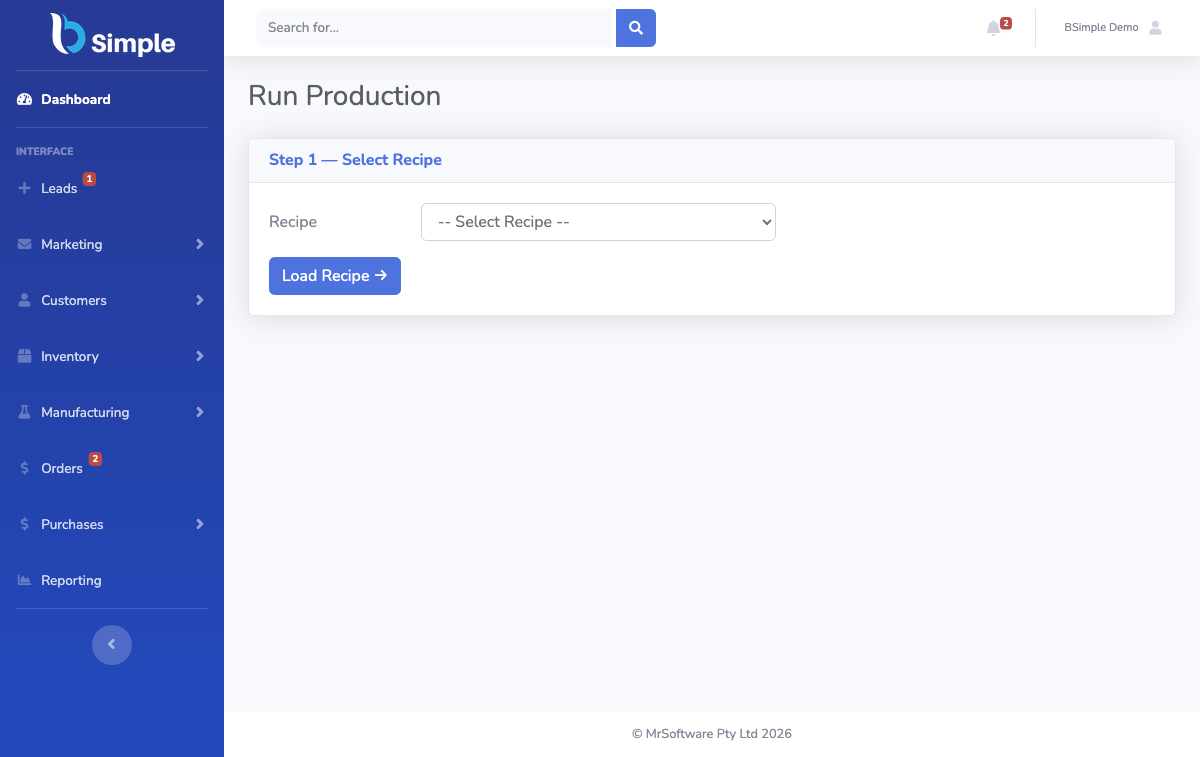
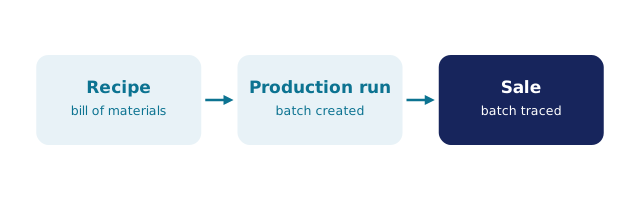
Manufacturing operations are fundamentally different from retail or service businesses. You're dealing with bills of materials, production schedules, component tracking, and finished goods management simultaneously. A standard accounting package or basic inventory system simply isn't designed for this complexity. That's why manufacturing-focused order management software is essential. Consider a mid-sized Australian manufacturing business producing industrial components. They might have raw materials arriving from multiple suppliers, work-in-progress inventory scattered across the factory floor, and finished goods waiting to be shipped to customers. Without proper management software, tracking what's where becomes a nightmare. You end up with duplicate orders, missing components that halt production, and finished goods that sit in the warehouse because nobody knows they're ready to ship. Business management software programs designed for manufacturing solve these problems by giving you real-time visibility into every stage of production. You can see exactly how many raw materials you have, what's currently being manufactured, and what's ready to ship. The software tracks component usage against production schedules, alerts you when stock is running low, and helps you manage supplier relationships more effectively. Automated PO generation means you're ordering the right quantities at the right time, reducing both stockouts and excess inventory. Integration with Xero ensures your manufacturing costs are accurately reflected in your financial statements, which is crucial for understanding true profitability and managing cash flow. For Australian manufacturers dealing with increasing complexity in supply chains, this kind of visibility and control is no longer optional — it's essential for staying competitive.
Wholesale Efficiency Through Cloud-Based Management
Streamlining Wholesale Operations with Cloud-Based Solutions
Wholesale businesses operate on thin margins, which means efficiency is everything. You're buying products in bulk, storing them, and selling them to retailers or other businesses — often with multiple distribution points across different states. Managing this without proper software is like trying to run a supermarket with a calculator and a filing cabinet. Business management software programs designed for wholesale operations focus on what matters most: inventory accuracy, order processing speed, and supplier management. A typical wholesale business might receive orders from dozens of customers daily, need to pick and pack those orders quickly, and maintain relationships with multiple suppliers to ensure stock availability. The old way of doing this involved phone calls, emails, faxes, and spreadsheets — with inevitable errors and delays. Modern wholesale management software streamlines this entire process. Your customers can log into a customer ordering portal, see real-time stock levels, and place orders whenever they want. The system automatically generates picking lists for your warehouse, tracks shipments, and updates customers on their order status. On the purchasing side, the software monitors your inventory levels and automatically generates purchase orders to your suppliers based on predetermined thresholds. This prevents the classic wholesale problem of running out of fast-moving items while sitting on slow-moving stock. Xero integration means your invoices, payments, and financial reporting happen automatically, freeing up your accounts team to focus on analysis rather than data entry. For Australian wholesalers competing against larger national distributors, this kind of operational efficiency can be the difference between thriving and merely surviving.
Scale Your Business Without Outgrowing Your Software
Integration and Scalability: Growing Without Growing Pains
One of the biggest mistakes businesses make when choosing management software is picking something that works for their current size but can't grow with them. You start with a small team managing inventory in a spreadsheet, implement software that works brilliantly, then two years later you're opening a second warehouse and the software starts creaking at the seams. The best business management software programs are built to scale. They're cloud-based, which means adding more users, locations, or features doesn't require expensive hardware or IT infrastructure. Whether you're a single-location operation today or planning to expand across Australia in the next few years, the software grows with you. Integration capabilities are crucial here. Your business management software needs to work seamlessly with the tools you're already using — Xero for accounting, your email system, your customer relationship management platform, and potentially your ecommerce website. When these systems are properly integrated, data flows automatically between them, eliminating manual entry and the errors that come with it. A distribution business using BSimple, for example, can integrate their inventory management with Xero so that stock movements automatically update their financial records. Customer orders placed through the ordering portal automatically generate invoices in Xero. Supplier invoices can be matched against purchase orders and received goods. This integration saves time, reduces errors, and gives you accurate financial data in real-time. As your business grows, you can add features like advanced reporting, multi-warehouse management, or customer-specific pricing without switching to a completely different system. This continuity means your team doesn't need to learn new software every few years, and your business processes remain stable even as you scale.

Frequently Asked Questions
What's the difference between business management software and accounting software?
Accounting software like Xero focuses on financial transactions — invoices, expenses, payroll, and tax compliance. Business management software handles operations — inventory, orders, purchasing, and warehouse management. The best approach is using them together, with proper integration so data flows automatically between systems.
How does business management software help with inventory accuracy?
The software tracks every inventory movement in real-time, eliminates manual data entry errors, provides automated stocktake management, and alerts you to discrepancies. Features like negative inventory tracking and just-in-time management help you maintain optimal stock levels while reducing shrinkage and obsolescence.
Can I use business management software if I have multiple warehouse locations?
Absolutely. Cloud-based software is designed for multi-location operations. You can track inventory across all locations, transfer stock between warehouses, and manage orders from a central system. This is particularly valuable for Australian businesses with distribution points across different states.
How does Xero integration save time in my business?
Integration eliminates manual data entry between systems. Stock movements automatically update your accounts, customer orders automatically generate invoices, and supplier invoices can be matched against purchase orders. This saves hours each week and dramatically reduces errors in your financial records.
Is business management software suitable for small manufacturing businesses?
Yes, especially cloud-based solutions designed for SMBs. You get manufacturing-specific features like bill of materials tracking, production scheduling, and component management without the complexity and cost of enterprise ERP systems. Many Australian manufacturers find these solutions perfect for their scale.
How do customer ordering portals benefit my business?
Portals let customers place orders 24/7, see real-time stock availability, and check order status independently. This reduces phone calls and emails to your team, speeds up order processing, and improves customer satisfaction. It's particularly valuable for wholesale and distribution businesses.
What's the typical implementation timeline for business management software?
Cloud-based solutions designed for SMBs typically go live within weeks rather than months. Many providers offer implementation support, data migration assistance, and training to ensure a smooth transition. The faster you implement, the sooner you start realising benefits.
BSimple