
Guide / IB Higher Level
Business management tools: IB HL
Higher Level in IB Business Management means more depth, more hours and heavier expectations on the same analytical toolkit. What HL adds, how to use the tools at that standard — and why the evaluation habit is the real HL skill.
The key facts
- What HL means: Higher Level in the International Baccalaureate Diploma Programme — the same subject as SL with more teaching hours, broader syllabus coverage and deeper assessment expectations.
- The tools are the toolkit: SWOT, Ansoff, STEEPLE, BCG, decision trees, fishbone, Gantt and siblings — HL changes the depth of use, not the identity of the frames.
- The HL differentiator: evaluation. At HL, presenting a tool is the entry price; weighing its limits, its data needs and its recommendations is where marks live.
- The bridge to practice: the operations concepts the course teaches — reorder logic, capacity, scheduling — run daily in real software; the operations side shows where.
- 01The key facts
- 02What Higher Level actually adds
- 03Working the tools at HL standard
- 04Where the HL concepts run in real businesses
What Higher Level actually adds
HL is not a different course; it is the same subject worked at greater depth and pace — more teaching hours, more syllabus territory, and assessment that expects more from the same toolkit. Where a Standard Level answer can earn well by applying a tool accurately to the stimulus, the Higher Level expectation leans on what comes after the tool: the assumptions the tool hides, the quality of the data feeding it, the stakeholders the recommendation affects, and the "however" that a strong conclusion earns.
The honest study implication: HL students do not need more frames — they need more mileage from each one. Practising the same SWOT or decision tree against different case studies, asking each time what the tool cannot see, builds the exact muscle the higher-paper questions reward. The tools catalogue and the tools-versus-theories distinction supply the frames; the depth is the work.
Working the tools at HL standard
Interrogate the data before trusting the output. A decision tree is only as good as its probabilities; a BCG matrix only as good as the market definitions. HL answers name those weaknesses instead of coasting on the arithmetic.
Connect tools across the syllabus. The higher-band answers chain frames: STEEPLE drives the Ansoff choice drives the finance behind it. Chains show the examiner a student who thinks in systems rather than exhibits.
Argue both sides, then commit. HL rewards a recommendation that acknowledges the strongest counter-argument and still decides — the same evaluation habit, applied to a choice, that separates management students from managers.
Keep the stimulus central. Depth never means generic theory: every HL-level point still anchors in the case study's facts, because unfocused sophistication scores like unfocused everything.
Where the HL concepts run in real businesses
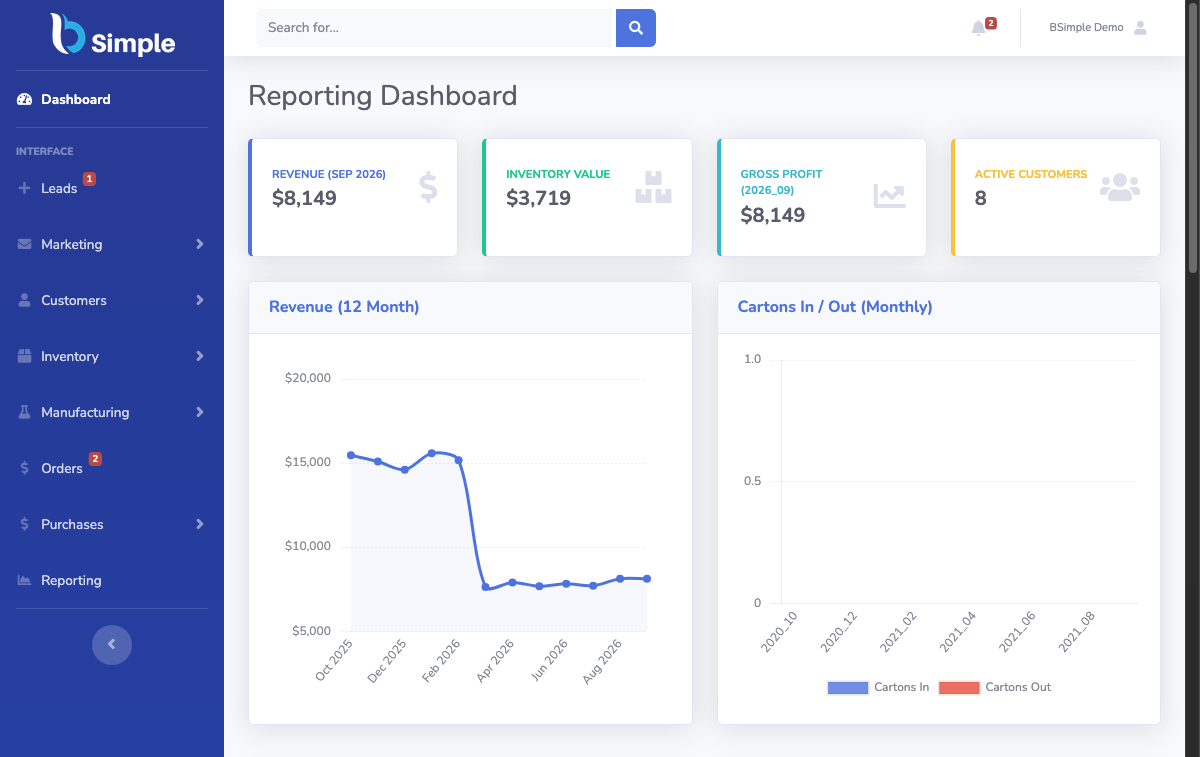
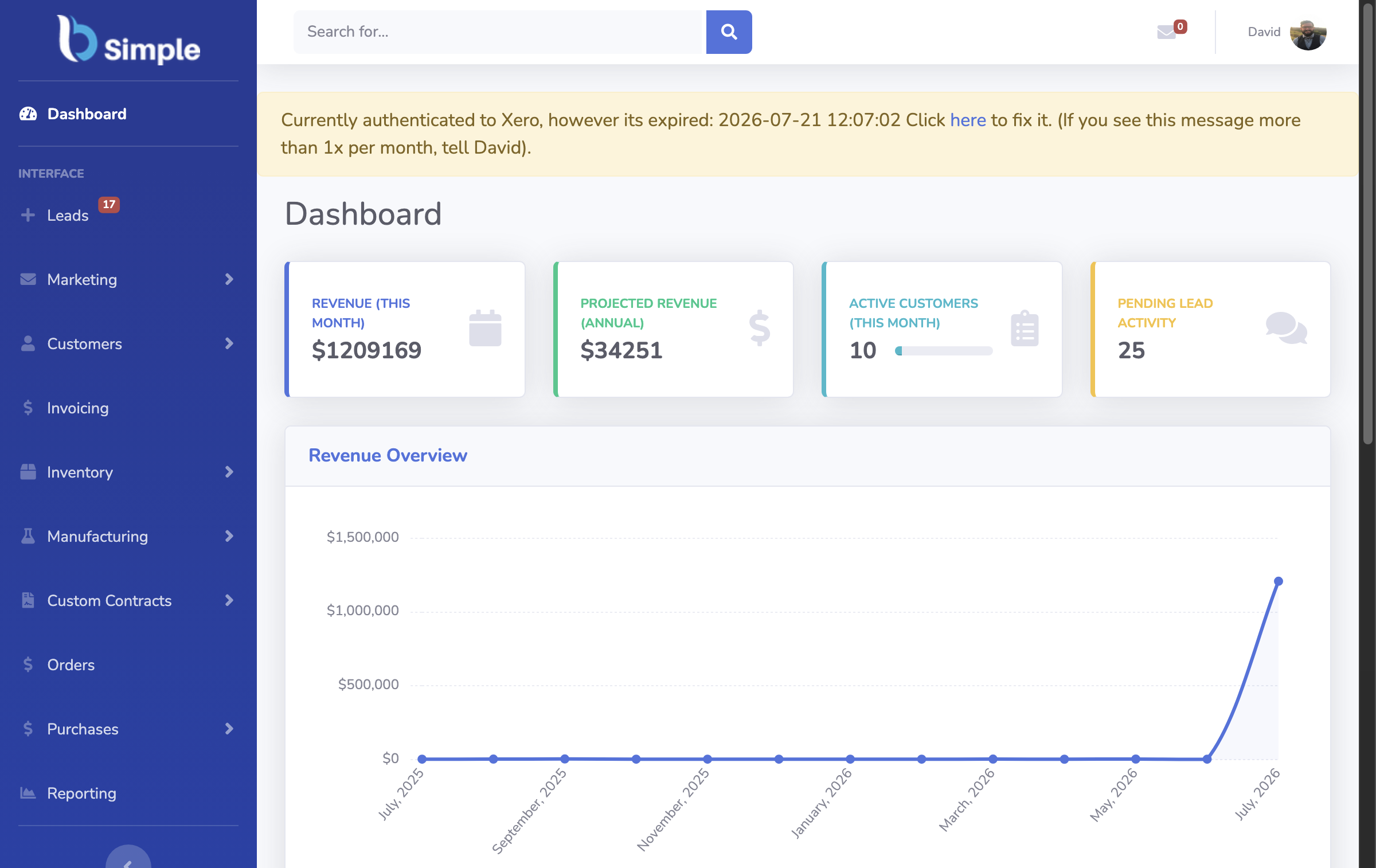
The course's operations content — stock control, capacity, scheduling, quality — is the daily substance of running a business, and in practice it lives inside software rather than on whiteboards. The reorder point is a decision rule executed automatically; the production schedule is a living Gantt; the variance investigation is a fishbone with dollar values attached. Seeing that continuity early is genuinely useful for HL students deciding where to specialise — a worked order example shows the operational reality behind the concepts.
We build BSimple, so weigh that: it is not study material but the real thing — operations software for wholesale, manufacturing, distribution and trade businesses where the course's inventory and scheduling ideas run for profit, from $180/month AUD with a full-product trial. And for the record: this site is not affiliated with the IB organisation; the course framing here is explanatory, not official.
Frequently Asked Questions
What does HL mean in IB Business Management?
Higher Level — the deeper variant of the subject in the IB Diploma Programme: more teaching hours, wider syllabus coverage and assessment that weights evaluation more heavily than Standard Level.
Do HL students learn different tools from SL?
The core toolkit is shared; HL works it deeper and reaches further into the syllabus. The differentiator is not which frames you know but what you do after drawing them — assumptions, limitations, stakeholders, decisions.
How should I study for the HL papers?
Practise chaining tools against fresh case studies, and always finish: what does the analysis recommend, what would change the recommendation, who bears the risk. Depth of evaluation, not breadth of frames, moves HL marks.
Is the decision tree an HL topic?
We keep syllabus-boundary claims deliberately light on this page — the IB revises its guides, and specific tool-to-level mapping should be checked against the current official guide. The study method above works regardless of where a tool sits.
Where do these concepts meet real operations software?
In the operations layer: reorder rules, production scheduling, quality and variance tracking run daily in systems like BSimple — a worked example and the trial make the connection concrete.
BSimple