Guide / BSimple
Complete Business Management System Examples Guide with Xero Integration
When it comes to streamlining operations for your Australian wholesale, manufacturing, or distribution business, understanding business management system examples is essential — see also our Order Management System fo…
- Real-time inventory tracking across multiple locations with negative inventory support for stocktakes
- Automated purchase order generation when stock reaches reorder points based on demand forecasting
- Customer ordering portals enabling 24/7 self-service ordering with instant order confirmation
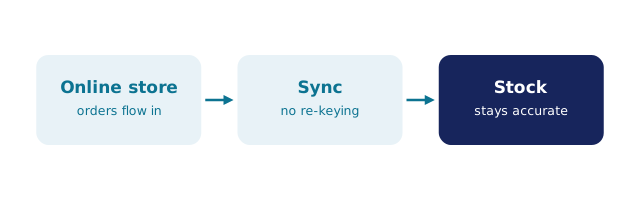
- Seamless Xero integration synchronising sales, purchases, and inventory adjustments automatically
- Just-in-time inventory management reducing working capital while maintaining fill rates
- Production scheduling and bill-of-materials tracking for manufacturing operations
- Comprehensive reporting dashboards showing inventory turnover, supplier performance, and profit margins
When it comes to streamlining operations for your Australian wholesale, manufacturing, or distribution business, understanding business management system examples is essential — see also our Order Management System for the full picture. A business management system (BMS) integrates all your core operations into one unified platform, eliminating the chaos of juggling multiple disconnected tools. Whether you're a Sydney coffee roaster managing seasonal demand, a Melbourne brewery scaling production, or an Australian SMB handling complex inventory across multiple locations, the right system can transform how you operate.
Real-world examples show that businesses using integrated management systems experience significant improvements in efficiency and profitability. Consider a typical wholesale distributor who previously spent hours manually entering orders into spreadsheets, reconciling inventory counts, and chasing up customer payments. With a proper business management system, that same distributor now processes orders automatically, tracks stock in real-time, and has complete visibility across their entire operation. The key difference? Integration. When your inventory system talks directly to your accounting software, when customer orders automatically generate purchase orders to suppliers, and when you can see your cash flow position at a glance — that's when things get real.
The most effective business management systems for Australian businesses share common characteristics: they're built for local compliance (think GST, EOFY stocktakes, and ATO requirements), they integrate seamlessly with accounting software like Xero, and they're designed specifically for the workflows that wholesale and manufacturing businesses actually use. You don't need enterprise software with 500 features you'll never touch. You need a system that handles your specific pain points — whether that's managing negative inventory during stocktakes, coordinating just-in-time delivery from suppliers, or generating accurate reports for your accountant at year-end.
- 01Real-World Business Management System Examples That Drive Results
- 02Essential Components of Effective Business Management Systems
- 03Industry-Specific Examples and Their Outcomes
Real-World Business Management System Examples That Drive Results
Looking at practical business management system examples across different industries reveals patterns in what actually works. Take a mid-sized Australian manufacturing business producing components for larger OEMs. Their challenge wasn't just tracking what they made — it was coordinating raw material purchases, managing production schedules, tracking work-in-progress, and ensuring finished goods were allocated to the right customers on time. Without an integrated system, they were managing this across three different spreadsheets, two email inboxes, and a notebook on the production manager's desk. The result? Late deliveries, over-ordering of materials, and constant surprises during stocktakes.
When they implemented a proper business management system with automated workflows, everything changed. Purchase orders generated automatically when stock hit reorder points. Production schedules pulled directly from customer orders. Inventory counts updated in real-time as goods moved through the warehouse. Suddenly, they could see exactly what they had, what they owed suppliers, and what customers were waiting for — all in one place. Their cash flow improved because they weren't tying up money in excess inventory. Their customer satisfaction improved because they could deliver on time. Their team's morale improved because they weren't constantly fighting fires.
Another example comes from Australian distribution businesses handling multiple product lines across different customer segments. These businesses face unique challenges: some customers order in bulk weekly, others need daily deliveries, some require custom packaging, and all of them expect accurate invoicing and delivery tracking. A business management system designed for this reality includes features like customer ordering portals (so customers can place orders 24/7), automated invoice generation, delivery tracking integration, and detailed reporting on sales by customer, product, or location. Check out our detailed guide on inventory management systems to understand how these components work together. The result is a distribution business that scales without needing to proportionally increase administrative overhead.
These examples share a common thread: they all moved from reactive management (constantly solving problems as they arise) to proactive management (preventing problems through better visibility and automation). That's the real power of a modern business management system.
Essential Components of Effective Business Management Systems
The anatomy of an effective business management system reveals several essential components working in concert. First, there's the inventory management core — your single source of truth for what you have in stock, where it's located, and when you need to reorder. For Australian businesses, this includes features like negative inventory tracking (crucial during stocktakes when you're counting physical stock), stock movement history (so you can see exactly when items moved and where they went), and integration with your supplier network (so you can trigger orders automatically or with one click).
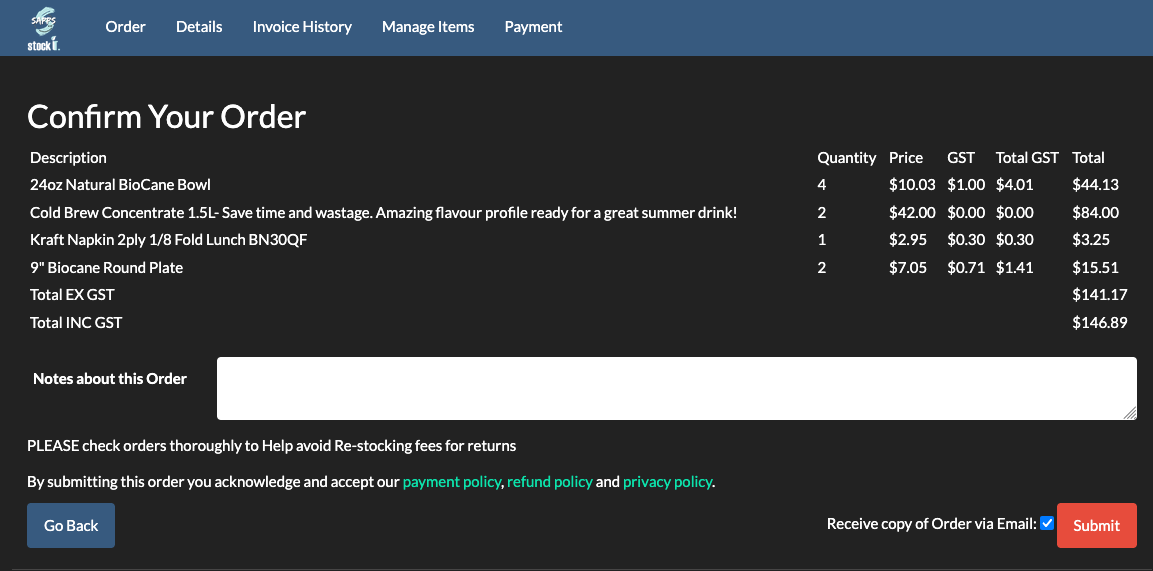
Second is the order management layer. This is where customer orders flow in, get processed, and turn into picking lists, packing slips, and invoices. The best systems let customers place orders through a portal (reducing data entry errors), automatically allocate stock from the right warehouse location, and generate all necessary documentation instantly. For a Melbourne brewery selling to bottle shops across the state, this means a customer in Ballarat can log in, see what's available, place an order, and the brewery's warehouse team gets an automated picking list — all without a single email or phone call.
Third is financial integration. Your business management system must talk seamlessly with Xero (or your accounting software of choice) so that every transaction flows through automatically. When you invoice a customer, that sale appears in Xero. When you record a supplier payment, your cash position updates. When you do your EOFY stocktake, the system helps you reconcile physical counts with what's in the books. This integration eliminates manual data entry errors and ensures your financial records always reflect reality. Learn more about how Xero integration works in modern systems to understand this critical connection.
Fourth is reporting and visibility. The system should give you dashboards showing your key metrics: inventory turnover, days of stock on hand, customer order fill rates, supplier performance, profit margins by product line. For an Australian SMB owner, this means you can spend 10 minutes reviewing a dashboard each morning and know exactly what's happening in your business — no hunting through spreadsheets or waiting for reports.
Fifth is automation. The best systems automate repetitive tasks: generating purchase orders when stock is low, sending order confirmations to customers, calculating reorder quantities based on lead times and demand patterns, flagging exceptions that need human attention. This frees your team to focus on higher-value work like customer relationships, supplier negotiations, and strategic planning.
Industry-Specific Examples and Their Outcomes
Let's walk through specific industry examples that show how business management systems create tangible results. A Sydney-based specialty coffee roaster provides an excellent case study. They source beans from multiple suppliers with varying lead times, roast in batches, and sell to cafés across the city plus direct-to-consumer online. Their challenge: balancing inventory across multiple SKUs (different roast levels, bean origins, package sizes) while managing cash flow tightly. With a business management system, they gained visibility into which products were selling fastest, could forecast demand based on seasonal patterns, and automated reorder points for each SKU. They reduced excess inventory by 30% (freeing up cash), improved their fill rate for customer orders from 85% to 98%, and their team spent less time on administrative work and more time on product quality.
A manufacturing business producing custom metal components for construction and engineering firms had a different problem: complex bill-of-materials, multiple production stages, and customers with varying specifications and delivery requirements. Their old system involved printed work orders, manual tracking of materials, and constant surprises when they discovered missing components mid-production. Implementing a business management system with production scheduling capabilities transformed their operation. They could see exactly what materials were needed for each job, trigger purchase orders automatically, track production progress in real-time, and alert the team immediately if something was missing. Lead times improved, quality improved (fewer rework incidents), and profitability improved because they weren't constantly expediting rush orders or scrapping incomplete jobs.
An Australian distribution business supplying hospitality venues across multiple states faced the classic distribution challenge: managing inventory across multiple warehouses, coordinating deliveries to hundreds of customers with different ordering patterns, and maintaining accurate stock levels. They implemented a system with customer ordering portals, automated delivery scheduling, and real-time inventory visibility across all locations. Customers could place orders anytime (not just during business hours), the system optimised delivery routes to reduce transport costs, and stock levels stayed accurate because every transaction was recorded instantly. Their working capital improved because they weren't holding excess safety stock, customer satisfaction improved because orders were fulfilled faster, and their team could focus on growing the business rather than firefighting inventory problems.
These aren't theoretical examples — they're real Australian businesses that solved real problems. The common pattern across all of them: they moved from manual, disconnected processes to integrated, automated systems. They gained visibility into their operations. They freed up team time. They improved their financial position. And they became more scalable without proportionally increasing headcount. That's what a proper business management system delivers. When you're ready to explore how this could work for your business, our team at BSimple can show you exactly how these principles apply to your specific situation.
Frequently Asked Questions
What's the difference between a business management system and accounting software?
Accounting software like Xero focuses on financial transactions and reporting. A business management system manages your entire operation — inventory, orders, production, customer relationships — and integrates with accounting software to ensure financial records stay accurate.
Can a business management system work for small Australian businesses?
Absolutely. In fact, small businesses benefit most because they're typically managing everything manually. A system designed for SMBs eliminates spreadsheets and frees up your team to focus on growth rather than administration.
How long does it take to implement a business management system?
Implementation time varies, but most Australian SMBs are up and running within 2-4 weeks. The key is choosing a system designed for quick implementation rather than complex enterprise software requiring months of customisation.
Will a business management system help with EOFY stocktakes?
Yes. A good system tracks inventory movements throughout the year, helps you conduct efficient physical stocktakes, identifies discrepancies between system records and physical counts, and supports reconciliation for your accountant and the ATO.
What happens if I need to track negative inventory during stocktakes?
Modern systems designed for Australian businesses specifically include negative inventory tracking. This lets you record stock discrepancies during counting without locking up your system, then reconcile them afterwards.
Can customers place orders through a business management system?
Yes. Customer ordering portals are a standard feature in modern systems. Customers log in, see available stock, place orders, and your team gets automated picking lists — reducing errors and freeing up phone time.
How does a business management system integrate with Xero?
A properly integrated system automatically pushes sales transactions, purchase orders, and inventory adjustments to Xero, ensuring your financial records always reflect what's happening in your operation without manual data entry.
BSimple