
Guide / BSimple
Business Management Software Github for Australian Business
Many Australian businesses have explored open-source inventory management tools from GitHub only to discover they're missing critical features like GST compliance tracking, EOFY stocktake automation, or native Xero in…
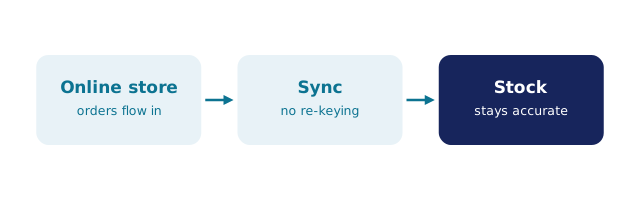
- Native Xero integration that automatically syncs inventory, orders, and financial data without manual entry
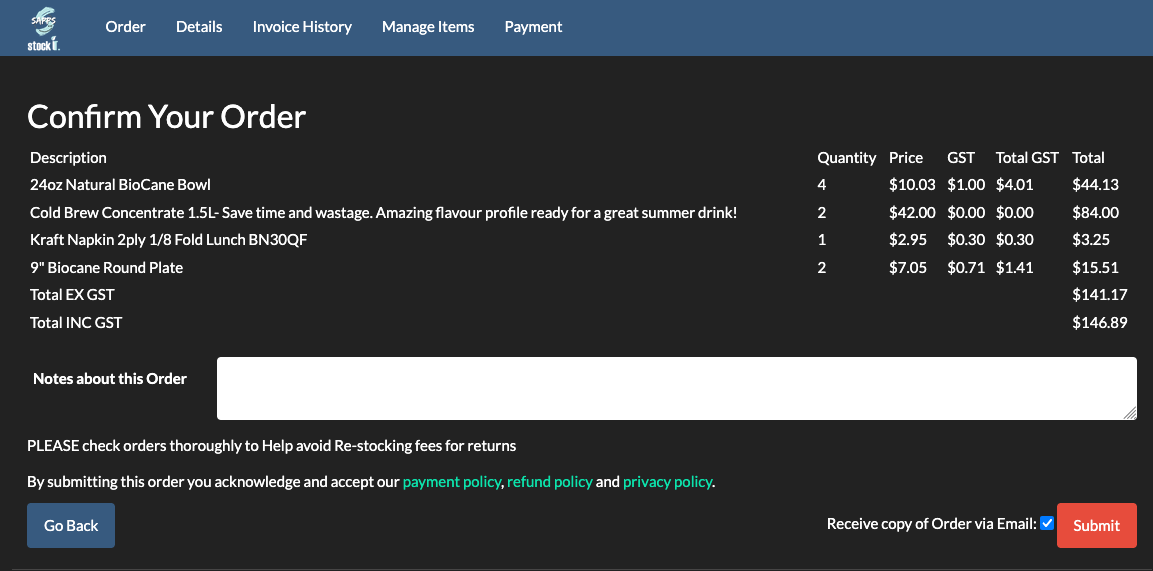
- Customer ordering portals enabling distributors and resellers to place orders independently and check stock levels in real-time
- Automated purchase order generation based on configurable stock thresholds and supplier preferences
- Negative inventory tracking for pre-orders and just-in-time manufacturing without overselling risk
- EOFY stocktake automation with variance tracking, cycle counting, and Xero reconciliation for Australian compliance
- GST-compliant reporting and tax-ready financial records built specifically for Australian businesses
- Multi-warehouse inventory management with real-time stock visibility across all locations
When you're running a wholesale, manufacturing, or distribution business in Australia, managing inventory and orders efficiently can feel like you're juggling chainsaws — see also our Inventory Management Software for the full picture on how modern solutions streamline operations. Business management software on GitHub has become increasingly popular amongst Australian SMBs looking for cost-effective, customisable solutions. However, while open-source options offer flexibility, they often require significant technical expertise to implement and maintain, leaving busy business owners drowning in code rather than focusing on growth. The reality is that most Australian wholesalers and manufacturers need something that works out of the box — software that integrates seamlessly with their existing tools like Xero, handles complex inventory scenarios, and doesn't require hiring a dedicated developer just to get it running. That's where purpose-built cloud business management software comes in. Rather than piecing together GitHub repositories and hoping they play nicely together, you can deploy a solution specifically designed for your industry, complete with customer ordering portals, automated purchase order generation, and real-time inventory tracking. For businesses managing multiple SKUs, tracking negative inventory, or handling just-in-time manufacturing, this integrated approach eliminates the friction of custom development and gets you operational within days, not months.
- 01Why Australian businesses choose cloud over open-source
- 02Real costs of GitHub business management solutions
- 03Why cloud platforms beat custom GitHub solutions
- 04Scaling your business with the right software foundation
Why Australian businesses choose cloud over open-source
The GitHub ecosystem offers tremendous value for developers and tech-savvy entrepreneurs, but when it comes to business management software for wholesale and manufacturing operations, there's a significant gap between what's available and what actually solves real problems. Many Australian businesses have explored open-source inventory management tools from GitHub only to discover they're missing critical features like GST compliance tracking, EOFY stocktake automation, or native Xero integration. These gaps aren't minor inconveniences — they're the difference between a streamlined operation and manual workarounds that eat up hours every week. Consider a Melbourne brewery managing inventory across multiple warehouse locations. They might find a GitHub project that handles basic stock levels, but it doesn't account for batch tracking, expiration dates, or the ability for their distributors to place orders through a customer portal. They're forced to either modify the code themselves (expensive and risky) or maintain parallel systems, which defeats the purpose of using software in the first place. Purpose-built cloud solutions like Order Management Software address these exact pain points. They're built specifically for Australian businesses, meaning they understand GST compliance, local tax requirements, and the way distributors and wholesalers actually operate. The software handles negative inventory tracking for pre-orders, automates PO generation based on stock thresholds, and integrates directly with Xero so your financial data stays in sync without manual data entry. For most Australian wholesalers and manufacturers, this approach delivers far more value than assembling a custom solution from GitHub components.
Real costs of GitHub business management solutions
When evaluating business management software for your Australian wholesale or manufacturing operation, it's worth understanding what you're really getting when you choose GitHub-based solutions versus integrated cloud platforms. GitHub repositories offer transparency, community support, and the ability to customise code exactly as you need it. But they come with hidden costs that many business owners don't anticipate. First, there's the implementation burden. A Sydney coffee roaster considering a GitHub inventory system needs to think about hosting infrastructure, security patches, database management, and ongoing maintenance. That's not just a technical issue — it's a business continuity risk. If something breaks on a Friday afternoon and your developer is unavailable, your entire ordering process could grind to a halt. Cloud-based business management software eliminates this risk through redundancy, automatic updates, and dedicated support teams. Second, there's the integration complexity. GitHub projects rarely play nicely together out of the box. You might find one repository for inventory management, another for order processing, and a third for financial reporting. Connecting them requires custom development, testing, and ongoing maintenance as each component updates independently. In contrast, Xero integration in purpose-built platforms means your inventory, orders, and financial data flow seamlessly. A Melbourne manufacturer can receive an order through their customer portal, which automatically generates a purchase order to suppliers, updates stock levels, and posts the transaction to Xero — all without manual intervention. Third, there's the compliance angle. Australian businesses must navigate GST, EOFY reporting requirements, and industry-specific regulations. GitHub solutions rarely account for these nuances, leaving you responsible for ensuring compliance. Cloud platforms built for Australian businesses encode these requirements from the ground up, reducing your compliance burden and risk exposure.
Why cloud platforms beat custom GitHub solutions
The decision between GitHub-based and cloud-integrated business management software often comes down to your business stage and technical capacity. If you're a startup with in-house developers and unlimited time for customisation, GitHub might make sense. But if you're a growing wholesale or manufacturing business focused on revenue rather than code, cloud solutions deliver faster ROI. Let's talk specifics. A typical Australian manufacturer implementing a GitHub-based inventory system faces setup costs of $5,000 to $15,000 in development time, plus ongoing maintenance of $500 to $2,000 monthly. They're also managing security updates, database optimisation, and integration troubleshooting. Over three years, that's easily $20,000 to $50,000 in hidden costs. Compare that to a cloud platform with transparent monthly pricing, automatic updates, and included support. You're not just paying for software — you're paying for peace of mind, compliance assurance, and the ability to scale without rearchitecting your entire system. For Australian businesses managing just-in-time inventory, this matters enormously. When you're operating with minimal stock buffers to reduce carrying costs, your system needs to be reliable, responsive, and accurate. A GitHub solution that goes down for maintenance or requires debugging could disrupt your supply chain. Cloud platforms are designed for this scenario, with uptime guarantees and automated failover systems. Additionally, cloud solutions offer features that are nearly impossible to replicate with GitHub components. Customer ordering portals, for example, allow your distributors and resellers to place orders independently, reducing administrative burden on your team. Negative inventory tracking lets you accept pre-orders without overselling. Automated purchase order generation based on stock thresholds ensures you never run out of critical items. These aren't nice-to-have features — they're fundamental to modern wholesale and manufacturing operations.
Scaling your business with the right software foundation
For Australian wholesalers and manufacturers, the strategic advantage of cloud business management software extends beyond just operational efficiency. It's about competitive positioning in an increasingly digital market. Your customers — whether they're retailers, other manufacturers, or distributors — expect seamless ordering experiences. A customer portal where they can check stock levels, place orders, and track shipments in real-time isn't a luxury anymore; it's table stakes. GitHub solutions rarely offer this out of the box, and building it yourself requires significant investment. Cloud platforms include these features natively, meaning you can compete with larger players without the corresponding overhead. There's also the data intelligence angle. Modern cloud business management software provides dashboards and reporting that help you understand your business deeply. You can see which products are your profit drivers, which customers are most valuable, which suppliers are most reliable, and where inventory is turning slowly. This intelligence informs better business decisions — which products to stock more aggressively, which customers to prioritise, where to negotiate better terms with suppliers. GitHub solutions rarely provide this level of insight without custom development. For EOFY stocktakes, Australian businesses face a particularly intense period. You need to reconcile physical stock with system records, adjust for shrinkage or damage, and ensure your financial records are accurate for tax purposes. Cloud platforms built for Australian businesses automate much of this process, with features like cycle counting, variance tracking, and automated reconciliation to Xero. This reduces the stress of EOFY and ensures your tax records are defensible. Finally, there's the scalability question. As your business grows, your software needs to grow with you. Adding new warehouses, expanding into new product categories, or bringing on additional team members shouldn't require rearchitecting your entire system. Cloud platforms are designed for this kind of growth, scaling seamlessly as your needs evolve. GitHub solutions, by contrast, often hit scaling limits that require significant rework. For Australian businesses with growth ambitions, this is a critical consideration. The bottom line: while GitHub offers valuable resources for developers and tech enthusiasts, purpose-built cloud business management software delivers superior value for wholesale and manufacturing operations focused on growth, compliance, and operational excellence.

Frequently Asked Questions
What's the main difference between GitHub business management software and cloud platforms?
GitHub solutions are open-source and customisable but require technical expertise to implement and maintain. Cloud platforms are purpose-built, include support, and integrate seamlessly with tools like Xero — ideal for Australian businesses wanting simplicity and compliance.
Is GitHub business management software suitable for Australian manufacturers?
While possible, GitHub solutions often lack GST compliance, EOFY stocktake automation, and Xero integration that Australian manufacturers need. Cloud platforms are specifically designed for local compliance requirements and operational workflows.
How much does it cost to implement GitHub-based inventory management?
Implementation typically costs $5,000-$15,000 in development, plus $500-$2,000 monthly maintenance. Cloud platforms offer transparent pricing without hidden development costs, making long-term budgeting more predictable.
Can GitHub solutions handle negative inventory and just-in-time manufacturing?
Some can, but it requires custom development. Cloud platforms designed for manufacturing include negative inventory tracking, automated PO generation, and stock threshold management as standard features.
What about data security with GitHub versus cloud platforms?
GitHub solutions require you to manage security, updates, and backups. Cloud platforms provide enterprise-grade security, automatic updates, redundancy, and compliance certifications — reducing your risk and responsibility.
How does Xero integration work with cloud business management software?
Cloud platforms offer native Xero integration, automatically syncing inventory movements, orders, and financial transactions. This eliminates manual data entry and ensures your accounting is always accurate and up-to-date.
Can I switch from GitHub to a cloud platform later?
Yes, but it's easier to start with a cloud platform. Migrating from custom GitHub solutions often requires data mapping, reconciliation, and downtime. Starting with cloud-integrated software avoids this complexity entirely.
BSimple