Guide / BSimple
Business Management Software Developers with Xero
The challenge most Australian SMBs face isn't a lack of software options; it's finding developers who genuinely understand the complexities of wholesale operations, manufacturing workflows, and distribution logistics.
- Seamless Xero integration that eliminates manual data entry and ensures accurate financial reporting across your entire operation
- Automated purchase order generation based on inventory levels, reorder points, and supplier lead times to prevent stockouts
- Customer ordering portals allowing wholesale clients to place orders, check stock, and track shipments independently and efficiently
- Just-in-time inventory management that optimises stock levels while minimising holding costs and storage constraints
- Negative inventory tracking for businesses that sell stock before arrival, enabling faster order fulfilment without manual workarounds
- Automated stocktake management with discrepancy flagging, perfect for EOFY reconciliation and GST compliance requirements
- Responsive Australian-based support from developers who understand wholesale, manufacturing, and distribution workflows
When it comes to managing inventory, orders, and purchasing across your wholesale, manufacturing, or distribution business, finding the right Inventory Management Software is crucial — and that's where business management software developers who understand your industry come in. The challenge most Australian SMBs face isn't a lack of software options; it's finding developers who genuinely understand the complexities of wholesale operations, manufacturing workflows, and distribution logistics. BSimple was built by people who've worked in these industries, not by generic enterprise software vendors trying to bolt on features. We recognised that businesses like Sydney coffee roasters, Melbourne breweries, and regional food distributors needed something different — software that integrates seamlessly with Xero, automates the tedious bits, and actually reflects how you work. The right business management software developer doesn't just build tools; they partner with you to solve real problems: managing negative inventory when stock runs tight, automating purchase orders before you run out, tracking stocktakes efficiently during EOFY, and ensuring GST compliance without manual spreadsheet nightmares. This guide explores what to look for in business management software developers and how platforms like BSimple are changing the game for Australian businesses that actually move product.
- 01Finding the Right Software Partner for Your Business
- 02Why Xero Integration Matters for Your Business
- 03Automation Features That Actually Save Time
- 04Support and Scalability for Growing Businesses
Finding the Right Software Partner for Your Business
Business management software developers come in many flavours, but the ones worth your time share common characteristics. They listen more than they pitch, understand your industry's specific pain points, and build features that solve real problems rather than creating bloated systems with unused functionality. When evaluating developers, look beyond flashy dashboards and ask hard questions about integration capabilities, customisation options, and ongoing support. The best developers in this space focus on three core areas: seamless integration with accounting software like Xero (because you're already using it), automation of repetitive tasks that drain your team's time, and reporting that actually tells you what's happening in your business. Many businesses make the mistake of choosing software based on initial cost rather than total cost of ownership. A developer charging slightly more but delivering genuine value through automation, reduced manual data entry, and better decision-making data will save you thousands annually. BSimple's approach centres on understanding wholesale and manufacturing workflows — we know that your inventory doesn't move like a retail store, your customers need ordering portals that actually work, and your purchasing team needs automated PO generation that respects your stock levels and supplier lead times. The developers behind your software should be continuously improving based on feedback, not just releasing features because they sound good in a pitch deck.
Why Xero Integration Matters for Your Business
Why Xero Integration Matters for Your Business
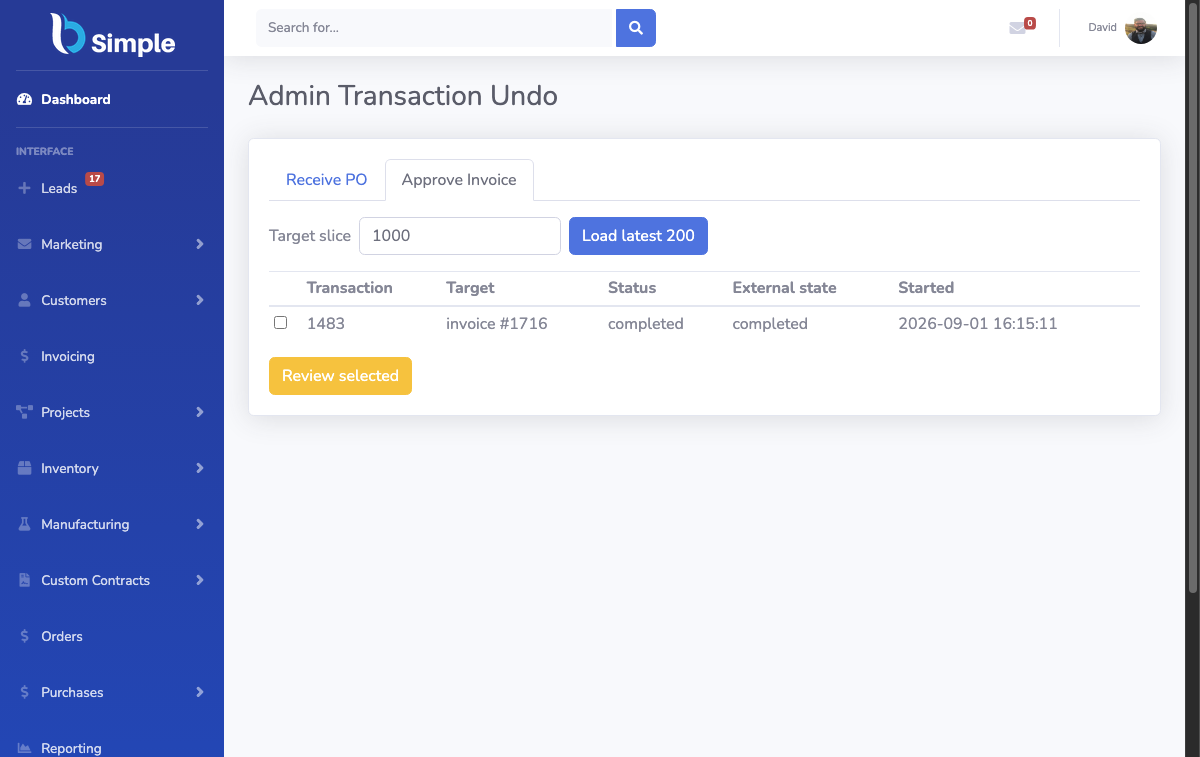
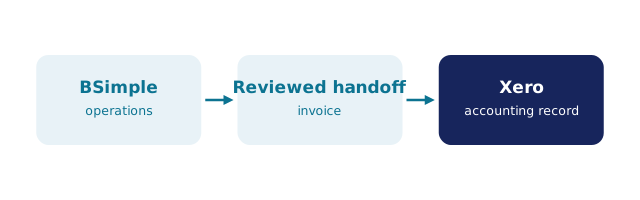
Xero has become the accounting backbone for thousands of Australian businesses, and any business management software developer worth considering must integrate properly with it. This isn't just about syncing numbers; it's about eliminating the manual data entry that creates errors and wastes time. When your inventory management system connects seamlessly with Xero, several things happen automatically: your stock movements update your accounts in real-time, your purchase orders flow through to your accounts payable, and your customer invoices reflect accurate stock levels. This integration becomes especially critical during EOFY when you're managing stocktakes, reconciling inventory, and ensuring GST compliance. A poorly integrated system means your finance team is manually entering data from one system into another, creating opportunities for mistakes and delays in financial reporting. The best business management software developers understand that Xero isn't just an accounting tool — it's the central nervous system of your financial operations. They build their systems to complement Xero, not compete with it. This means your purchasing team can generate POs that automatically flow to suppliers, your warehouse can track stock movements that instantly update Xero, and your finance team can pull accurate reports without manual reconciliation. For Australian businesses, this integration also ensures you're capturing the right GST information at the point of transaction, making tax time significantly less stressful. BSimple's Order Management Software integrates deeply with Xero, meaning your entire order-to-cash cycle is automated and accurate.
Automation Features That Actually Save Time
Automation Features That Actually Save Time
The difference between adequate and exceptional business management software developers lies in their commitment to automation. Most systems offer basic features, but the developers who truly understand wholesale and manufacturing know which processes drain the most time and frustration. Automated PO generation is a perfect example — instead of your purchasing team manually creating orders when stock hits certain levels, the software monitors your inventory and generates POs automatically based on your reorder points and supplier lead times. This prevents stockouts that lose you sales and overstocking that ties up cash. Just-in-time inventory management is another area where good developers shine. They build systems that understand your lead times, your customer demand patterns, and your storage constraints, then orchestrate your purchasing to minimise holding costs while maintaining service levels. Negative inventory tracking might sound like an odd feature to celebrate, but it's genuinely valuable for businesses that occasionally sell stock before it arrives from suppliers. Rather than turning away orders or manually tracking commitments, your system handles it intelligently. Customer ordering portals represent another automation opportunity that many developers overlook. When your wholesale customers can place orders directly through your system, check stock availability, and track their orders, you eliminate email back-and-forths and phone calls that tie up your sales team. Stocktake management automation is particularly valuable during EOFY — instead of manual counts and spreadsheet reconciliation, your system guides the process and flags discrepancies automatically. The developers who build these features understand that automation isn't about replacing people; it's about freeing your team to focus on strategy, customer relationships, and growth rather than data entry and manual processes. Purchase Order Software that automates your entire procurement workflow can reduce purchasing errors by up to 40% and free up 5-10 hours per week for your team.
Support and Scalability for Growing Businesses
Support and Scalability for Growing Businesses
Choosing a business management software developer isn't just about the software you're buying today — it's about the partner you're selecting for the next 3-5 years of your business. As your wholesale or manufacturing operation grows, your software needs to grow with you. The best developers build systems that scale without requiring a complete reimplementation. This means architecture that handles increased transaction volumes, features that adapt to more complex operations, and support that evolves with your business. Australian SMBs often face a unique challenge: they're growing faster than they anticipated, and suddenly the system that worked beautifully at 10 staff members feels clunky at 25. Good developers anticipate this and build flexibility into their platforms from day one. Support quality matters enormously. You'll inevitably hit moments where you need help — whether it's understanding a feature, troubleshooting an issue, or getting advice on best practices. Developers who provide responsive, knowledgeable support become force multipliers for your business. The worst scenario is discovering mid-crisis that your software vendor's support team doesn't understand your industry or takes days to respond. BSimple's commitment to Australian businesses means our support team understands wholesale and manufacturing operations, speaks your language (literally and figuratively), and responds quickly because we know your business depends on it. As you grow, you might need additional features, customisations, or integrations with other tools your expanded team uses. The right developer maintains an open roadmap, listens to customer feedback, and continuously improves the platform. They also ensure that upgrades and new features don't break your existing workflows or require retraining your entire team. Scalability also extends to your data — as you accumulate years of historical information, your system should retrieve reports and analytics quickly without grinding to a halt. This matters more than you'd think when you're trying to analyse three years of sales data to forecast demand for the upcoming quarter.
Frequently Asked Questions
What makes a good business management software developer?
A good developer understands your industry, integrates seamlessly with tools you already use (especially Xero), provides responsive support, and continuously improves based on customer feedback. They focus on solving real problems rather than adding unnecessary features.
Why is Xero integration so important?
Xero integration eliminates manual data entry, ensures accurate financial reporting, simplifies GST compliance, and creates a single source of truth for your business. It automates the flow of information from operations to accounting, reducing errors and saving time.
How does automated PO generation save money?
Automated PO generation prevents stockouts that lose sales and overstocking that ties up cash. By monitoring inventory levels and generating orders automatically based on reorder points and lead times, you maintain optimal stock levels while reducing purchasing team workload.
What should I consider during EOFY stocktakes?
Choose software that automates stocktake management, guides the counting process, flags discrepancies automatically, and integrates with Xero for reconciliation. This reduces manual effort, minimises errors, and ensures accurate financial reporting for tax purposes.
Can business management software scale as my business grows?
Yes, if you choose a developer who builds scalable architecture from the start. The right platform handles increased transaction volumes, adapts to more complex operations, and evolves with your business without requiring complete reimplementation.
How does a customer ordering portal benefit my business?
Customer ordering portals allow wholesale customers to place orders, check stock availability, and track shipments independently. This eliminates email and phone communication, reduces your sales team's administrative burden, and improves customer experience.
What is negative inventory tracking and why do I need it?
Negative inventory tracking allows you to sell stock before it arrives from suppliers without manual workarounds. This is valuable for businesses with tight lead times and helps you fulfil orders quickly while managing supplier commitments intelligently.
BSimple