
Guide / BSimple
Business Management Software Design for Australian Business
In wholesale and manufacturing, your team members have different needs — your warehouse staff need quick picking interfaces, your sales team needs order visibility, and your management needs real-time reporting.
- Intuitive interface designed specifically for wholesale, manufacturing, and distribution workflows
- Seamless Xero integration eliminating manual data entry and ensuring financial accuracy
- Mobile-first design allowing team access from warehouse, office, or customer locations
- Automated purchase order generation based on inventory levels and sales forecasting
- Just-in-time inventory management with negative inventory tracking and backorder support
- Comprehensive reporting and analytics providing instant visibility into profitability and performance
- Stocktake management tools supporting cycle counting, variance investigation, and GST compliance
Welcome to our guide on business management software design — see also our Inventory Management Software for the full picture. When you're running a wholesale, manufacturing, or distribution business in Australia, the design of your business management software can make or break your operational efficiency. It's not just about having fancy features; it's about having a system that actually understands how you work and gets out of your way when you need to move fast.
The right business management software design should feel intuitive to your team on day one, not after three months of training. For Australian SMBs juggling inventory across multiple locations, managing supplier relationships, and keeping up with EOFY stocktakes and GST compliance, software design becomes critical. A poorly designed system creates bottlenecks, frustrates your team, and costs you money through wasted time and data entry errors. The best software design for business management combines smart architecture with user experience that actually makes sense for people who understand wholesale and manufacturing operations.
At BSimple, we've built our platform with a deep understanding of what Australian businesses really need. Our design philosophy prioritises clarity, speed, and integration with the tools you already use — particularly Xero, which is the backbone of most Australian business accounting. Whether you're a Sydney coffee roaster managing bean inventory, a Melbourne brewery tracking batch orders, or a distribution centre coordinating stock across regions, the software design should adapt to your workflows, not force you into rigid processes.
- 01Design That Actually Works for Your Business
- 02Smart Design Solves Real Wholesale Problems
- 03Automation and Intelligence in Software Design
- 04Security, Compliance, and Scalable Design
Design That Actually Works for Your Business
The foundation of effective business management software design starts with understanding the user journey. In wholesale and manufacturing, your team members have different needs — your warehouse staff need quick picking interfaces, your sales team needs order visibility, and your management needs real-time reporting. Good software design creates separate, optimised experiences for each user type without requiring them to navigate through irrelevant screens.
One critical aspect of modern business management software design is mobile-first thinking. Your team isn't always at a desk. They're in the warehouse, on the shop floor, or out meeting customers. Software that only works well on desktop creates friction and delays. The design should work seamlessly across phones, tablets, and computers, allowing your team to check stock levels, approve orders, or update inventory from anywhere on your site.
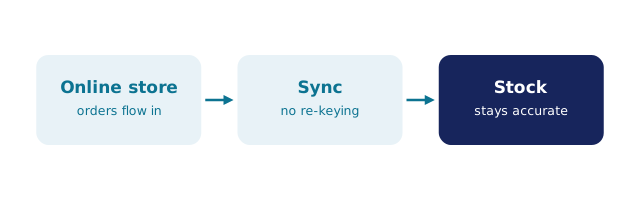
Integration capability is another cornerstone of smart business management software design. Australian businesses typically use Xero for accounting, maybe Shopify or a custom e-commerce platform, and various other tools. Software that forces you to manually transfer data between systems is wasting your time. The best design philosophy recognises that your business runs on multiple platforms, and the software should be the intelligent connector that brings everything together. This is why our Order Management Software was built with seamless Xero integration from the ground up — not as an afterthought, but as a core design principle.
Another important consideration is scalability in design. Your software should grow with your business. If you're currently managing 500 SKUs but planning to expand to 2000, the software architecture needs to handle that growth without becoming sluggish or requiring a complete migration. Australian manufacturers often experience seasonal peaks — think Christmas manufacturing runs or EOFY stocktake surges — and your software design needs to handle these without breaking down.
Smart Design Solves Real Wholesale Problems
Data visualisation is where good business management software design really shines. Raw numbers in spreadsheets don't tell you much; you need dashboards that show you at a glance what's happening with your inventory, orders, and cash flow. A well-designed dashboard for a wholesale business should show you which products are moving, which are sitting idle, which suppliers are performing well, and where your cash is tied up in stock.
The design should also make it easy to spot problems before they become expensive. For instance, if you're carrying too much slow-moving inventory, good design means you see that immediately. If a customer order is at risk of being late, the system should flag it prominently. This is particularly important for Australian businesses managing complex supply chains — a delay in getting stock from an interstate supplier shouldn't surprise you because your software design should have visibility across the entire pipeline.
Customisation without complexity is another hallmark of thoughtful business management software design. Every business has unique processes. Maybe you have specific approval workflows for large orders, or you need to track inventory across multiple warehouses with different reorder points. The software should allow you to configure these requirements without requiring a developer to write custom code. This is where many enterprise systems fail — they're so flexible that they become overwhelming. The best design finds the sweet spot between customisable and straightforward.
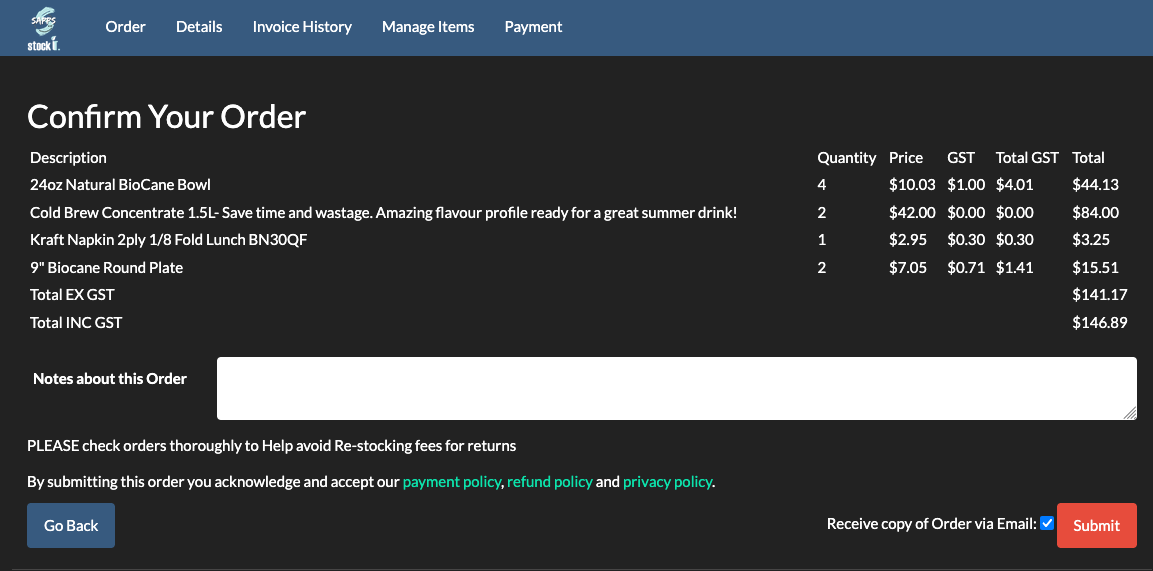
User adoption is often overlooked in software design discussions, but it's crucial. You can have the most powerful software in the world, but if your team refuses to use it because the interface is confusing, you've wasted your investment. Good design for business management software includes clear navigation, helpful tooltips, and logical workflows that match how people actually think about their work. When you implement a customer ordering portal, for example, the design should be so intuitive that your customers prefer using it to calling you with orders.
Automation and Intelligence in Software Design
Automation is a major element of modern business management software design, and it's where efficiency gains really happen. Manual processes are slow, error-prone, and expensive. When you design software for wholesale or manufacturing businesses, you should be thinking about which repetitive tasks can be automated to free up your team for higher-value work. Automated PO generation is a perfect example — instead of your purchasing team manually creating purchase orders from sales forecasts, the system should intelligently generate them based on stock levels, sales velocity, and supplier lead times.
The design should also support just-in-time inventory management, which is increasingly important for Australian businesses managing cash flow tightly. Rather than holding excessive stock to avoid stockouts, smart software design helps you order just what you need, when you need it. This requires sophisticated forecasting built into the design, plus visibility into supplier reliability and lead times. For a Melbourne brewery managing hop inventory or a Sydney coffee roaster coordinating bean deliveries, this kind of design can mean the difference between healthy cash flow and money sitting idle in the warehouse.
Another critical design consideration is how the software handles negative inventory scenarios. In real wholesale operations, sometimes you need to sell stock you don't quite have yet — perhaps you're waiting for a supplier delivery but a customer needs the product urgently. Poor software design doesn't allow for this flexibility and forces you to choose between losing sales or manually overriding the system. Good design acknowledges this reality and provides tools to manage backorders, allocated stock, and committed inventory. This is particularly important during peak periods when your supply chain is under stress.
Reporting and analytics design is where many software systems fall short. You don't just need access to data; you need the ability to ask questions of your data and get answers quickly. Can you see which products are your most profitable? Which customers are your most valuable? Where are your inventory holding costs highest? Good business management software design should make these questions answerable without requiring you to export data to Excel or hire a data analyst. Check out our business management platform to see how comprehensive reporting can transform your decision-making.
Security, Compliance, and Scalable Design
Compliance and security are non-negotiable aspects of business management software design, particularly for Australian businesses. You're handling customer data, financial information, and inventory records that are essential to your operations. The design should incorporate security at every level — encrypted data transmission, secure user authentication, role-based access controls, and audit trails that show who changed what and when. For Australian businesses, this also means ensuring the software meets GST compliance requirements and can generate the reports you need for EOFY stocktakes and tax time.
The design should also support your stocktake management processes. For many Australian businesses, the annual stocktake is a significant event. The software should make it easier, not harder. This means tools for cycle counting, variance investigation, and reconciliation between physical inventory and system records. If your software design requires you to shut down operations to do a stocktake, or if reconciling differences is a nightmare, you've got a design problem.
Collaboration features are increasingly important in modern business management software design. Your team needs to communicate about orders, inventory issues, and customer requests without leaving the system. Comments on orders, notification systems that alert relevant team members to issues, and shared views of critical information — these design features reduce the need for emails and meetings and keep everyone focused on the same priorities. When a customer's order is at risk, your design should make it obvious to everyone who needs to know.
Finally, consider the design philosophy around change management. Software evolves, and your business evolves. The design should make it easy to add new users, update processes, and adapt to changing requirements. This is where cloud-based design has significant advantages over legacy systems — updates happen automatically, new features roll out without disrupting your operations, and you're not managing servers or worrying about software versions going out of support. For Australian SMBs without large IT departments, this means you can focus on running your business rather than maintaining software infrastructure. When you're evaluating business management software, look for design that grows with you and adapts to your needs without constant expensive consulting projects.

Frequently Asked Questions
What makes good business management software design?
Good design prioritises user experience, integration with existing tools like Xero, mobile accessibility, clear data visualisation, and automation of repetitive tasks. It should feel intuitive to your team and solve real wholesale or manufacturing challenges without unnecessary complexity.
How important is Xero integration in software design?
For Australian businesses, Xero integration is critical. Well-designed software should connect seamlessly with Xero to eliminate duplicate data entry, ensure financial accuracy, and give you real-time visibility into both inventory and accounting data without manual reconciliation.
Should business management software design support mobile access?
Absolutely. Your team works across multiple locations — warehouse, office, customer sites. Good design means the software works equally well on phones, tablets, and desktops, allowing staff to check inventory, approve orders, or update records from anywhere without compromising functionality or security.
How does software design handle just-in-time inventory management?
Effective design includes forecasting tools, supplier lead time tracking, automated reorder points, and visibility into sales velocity. This allows you to order precisely what you need when you need it, minimising excess stock while avoiding stockouts that damage customer relationships.
What role does automation play in business management software design?
Automation is essential. Good design automates routine tasks like purchase order generation, inventory reconciliation, and order notifications, freeing your team to focus on strategy and customer service rather than manual data entry and administrative work.
How should software design handle stocktake management?
The design should support cycle counting, variance investigation, and reconciliation between physical and system inventory. It should make stocktakes easier and faster, not require you to shut down operations, and provide clear reporting on discrepancies and their causes.
Why is reporting design important for wholesale businesses?
Good reporting design lets you answer critical business questions quickly — profitability by product, customer value, inventory holding costs, and supplier performance. You shouldn't need to export data to Excel or hire analysts; the software should provide actionable insights directly.
BSimple