Business Administration Vs Software Engineering: Features That Count
- Real-time inventory tracking across multiple warehouse locations with negative stock alerts
- Automated purchase order generation based on stock levels and supplier lead times
- Seamless Xero integration connecting orders, inventory, and accounting automatically
- Customer ordering portals reducing manual order processing and data entry burden
- Just-in-time inventory management with intelligent reorder point calculations
- Comprehensive stocktake management tools simplifying EOFY reconciliation and GST compliance
- Integrated reporting and analytics replacing manual spreadsheet analysis and forecasting
When Australian wholesalers, manufacturers, and distributors think about streamlining their operations, they often find themselves comparing business administration approaches with software engineering solutions. It’s a fair question—but here’s the thing: they’re not really competitors. Business administration is the human side of running a company: managing people, processes, and workflows. Software engineering, on the other hand, is about building tools that make those processes smarter and faster.
The real distinction matters because many Australian SMBs are trying to solve operational headaches with better administration when what they actually need is better software. Think about a Melbourne brewery managing inventory across multiple locations. They could hire more admin staff to track stock manually, or they could implement a system that automates the heavy lifting. A Sydney coffee roaster might spend hours each week reconciling orders and stock levels, when inventory management software could handle this in minutes.
Business administration focuses on organising, planning, and coordinating. It’s about creating systems, delegating tasks, and ensuring people know what they’re doing. Software engineering, conversely, automates repetitive tasks, reduces human error, and gives you real-time visibility into your business. For wholesale and distribution businesses especially, this difference is crucial. You need both good administration and smart software working together.
The challenge most Australian businesses face is that they’ve optimised their admin processes as much as possible—they’ve got spreadsheets, they’ve got procedures, they’ve got people who know the ropes. But they’re still drowning in manual work. That’s where purpose-built business management software steps in. It takes those administrative functions and makes them intelligent, automated, and scalable.
Understanding the Real Difference Between Administration and Software
Let’s be honest: business administration software and engineering solutions serve different purposes, but they’re increasingly overlapping. Traditional business administration tools help you organise information—think filing systems, scheduling, basic record-keeping. Modern software engineering creates intelligent systems that not only organise information but predict problems, automate decisions, and integrate seamlessly with your existing tools.
For Australian manufacturers and distributors, this distinction becomes crystal clear when you look at specific challenges. Order management is a perfect example. A business administration approach might involve someone receiving an order, manually checking stock, creating a purchase order, and then following up with suppliers. A software engineering approach automates this entire workflow. When stock drops below a threshold, the system automatically generates a PO. When a customer places an order, the system checks availability in real-time and confirms delivery dates instantly.
The integration piece is where software truly shines. BSimple’s Xero integration exemplifies this—it’s not just storing data separately; it’s creating a unified ecosystem where your accounting, inventory, and orders all speak to each other. Your EOFY stocktakes become less chaotic because your system knows exactly what should be in stock versus what’s actually there. GST compliance becomes automatic rather than a scramble in June.
Business administration professionals are essential—they understand workflows and can identify inefficiencies. But without software engineering backing them up, they’re essentially applying band-aids to structural problems. A customer ordering portal built on solid engineering principles means your admin team isn’t manually processing every single order. Automated PO generation means your procurement person isn’t spending half their day on routine tasks. That’s when business administration becomes truly strategic rather than purely transactional.
Cost-Benefit Reality for Australian Wholesale Businesses
Here’s where it gets practical for Australian wholesale and manufacturing businesses: the cost-benefit analysis of administration versus software engineering investment. Hiring another admin person might cost you $50-60k annually (plus on-costs). Implementing proper business management software typically costs a fraction of that, yet delivers far more capacity and accuracy. That’s not to say you don’t need good people—you absolutely do. But you need them focused on strategy and problem-solving, not data entry.
Negative inventory tracking is a perfect example of where software engineering solves a problem that pure administration can’t. You might have excellent admin processes, but if you’re managing stock manually across multiple warehouses, you’ll eventually oversell or undersell. A properly engineered system tracks negative stock in real-time, preventing those costly mistakes. Your admin team can then focus on why stock went negative and how to prevent it, rather than discovering the problem after the damage is done.
The just-in-time inventory approach that many Australian distributors are adopting requires software engineering at its core. You can’t manage true JIT with spreadsheets and good intentions. You need a system that understands your supplier lead times, your sales patterns, and your safety stock levels—then automates ordering accordingly. This is where just-in-time inventory management becomes genuinely achievable for mid-sized businesses.
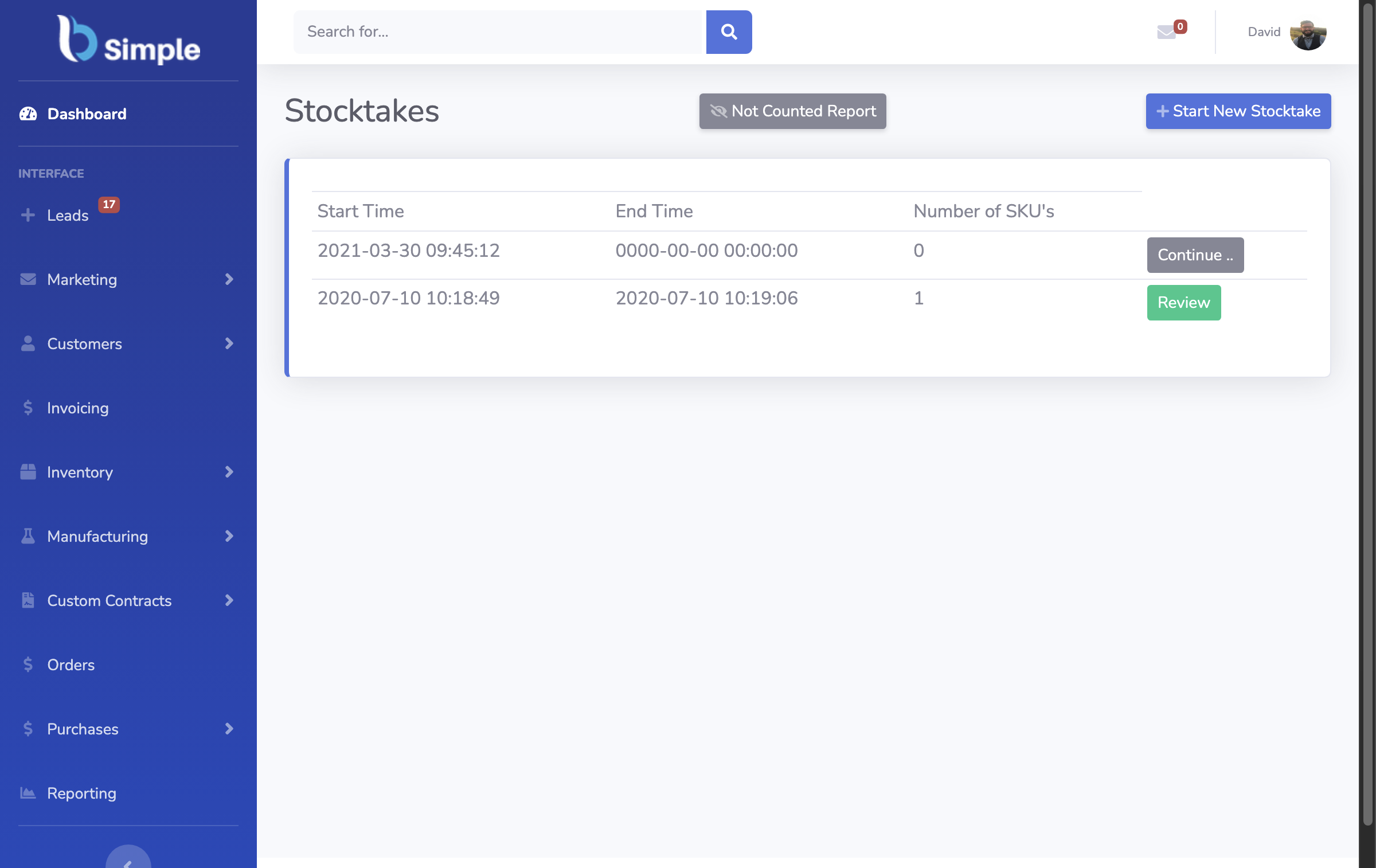
Think about stocktake management during EOFY. A traditional business administration approach means printing off stock lists, physically counting everything, then manually updating records and reconciling discrepancies. This takes weeks and ties up significant resources. Software engineering approaches this differently: continuous cycle counting, real-time adjustments, automated variance reporting. Your team still does the physical counting, but the system handles the complexity of reconciliation and reporting.
Making Software Work for Your Administration Team
When you’re choosing between investing in administrative capacity versus software solutions, consider what Australian businesses in your industry are actually doing. The successful ones aren’t choosing—they’re doing both, but in the right proportion. They’re using software to handle the routine, predictable work, and using their admin team for the strategic, complex stuff.
Customer ordering portals exemplify this perfectly. Rather than having your sales admin manually process every customer order, a properly engineered portal lets customers self-serve while your system handles the grunt work. Your admin team then focuses on managing relationships, handling exceptions, and supporting customers who need more complex arrangements. Everyone wins: customers get faster service, your team works on higher-value activities, and errors drop dramatically.
The integration between your business management system and Xero is another area where software engineering creates genuine competitive advantage. Your accounting doesn’t sit in isolation—it’s connected to your inventory, your orders, your customer data. When you process an order, the system automatically creates the accounting entry. When you receive stock, it updates both your inventory and your financial records. This isn’t something good administration can replicate; it requires intelligent system design.
For Australian SMBs in wholesale, manufacturing, and distribution, the practical answer is this: invest in software that handles the repetitive, high-volume, low-complexity tasks. Then use your administration team for relationship management, problem-solving, and continuous improvement. This is where comprehensive business management software becomes invaluable. It’s not about replacing people; it’s about making them genuinely valuable. Your admin staff shouldn’t be spending time on data entry—they should be analysing why your stock turns are slowing, why certain customers are becoming less profitable, or how you can improve your supply chain efficiency. That’s where administration becomes strategic and worth every penny you’re paying for it.
Frequently Asked Questions
What’s the main difference between business administration and software engineering?
Business administration organises people and processes through planning and coordination. Software engineering creates automated systems that handle routine tasks, reduce errors, and provide real-time insights into your operations.
Do Australian wholesalers need both administration and software?
Absolutely. Software handles repetitive tasks efficiently, freeing your admin team to focus on strategic work like customer relationships, problem-solving, and continuous improvement—where they add genuine value.
How does inventory management software improve on manual administration?
Software provides real-time stock visibility, automates purchase orders, tracks negative inventory, and integrates with accounting. Manual administration can’t match this speed or accuracy, especially across multiple locations.
Can software replace my administration team?
No. Good software replaces repetitive tasks, not people. Your team becomes more valuable because they’re solving problems and driving strategy rather than processing data. You might need fewer junior admin staff, but your experienced people become more essential.
Why is Xero integration important for manufacturers and distributors?
Integration means your inventory, orders, and accounting are connected. When you sell something, accounting updates automatically. When stock arrives, both inventory and financial records update together. This eliminates manual reconciliation and GST compliance headaches.
Is software engineering expensive for small Australian businesses?
Purpose-built business management software typically costs less than hiring one additional admin person annually, yet delivers far greater capacity, accuracy, and strategic insight. The ROI is usually clear within months.
How does customer ordering portal software reduce admin work?
Portals let customers place orders directly, check stock, and track deliveries themselves. Your admin team isn’t manually processing routine orders—they focus on complex requests, customer support, and relationship building instead.