What Is Stock Management System: Your Practical Guide

  • Real-time inventory visibility across multiple locations with instant stock level updates and availability tracking
  • Seamless Xero integration ensuring financial records and inventory data stay perfectly synchronised
  • Automated purchase order generation based on reorder points and demand forecasting algorithms
  • Negative inventory tracking preventing overselling and catching discrepancies before they become problems
  • Just-in-time inventory management optimising cash flow and minimising storage costs
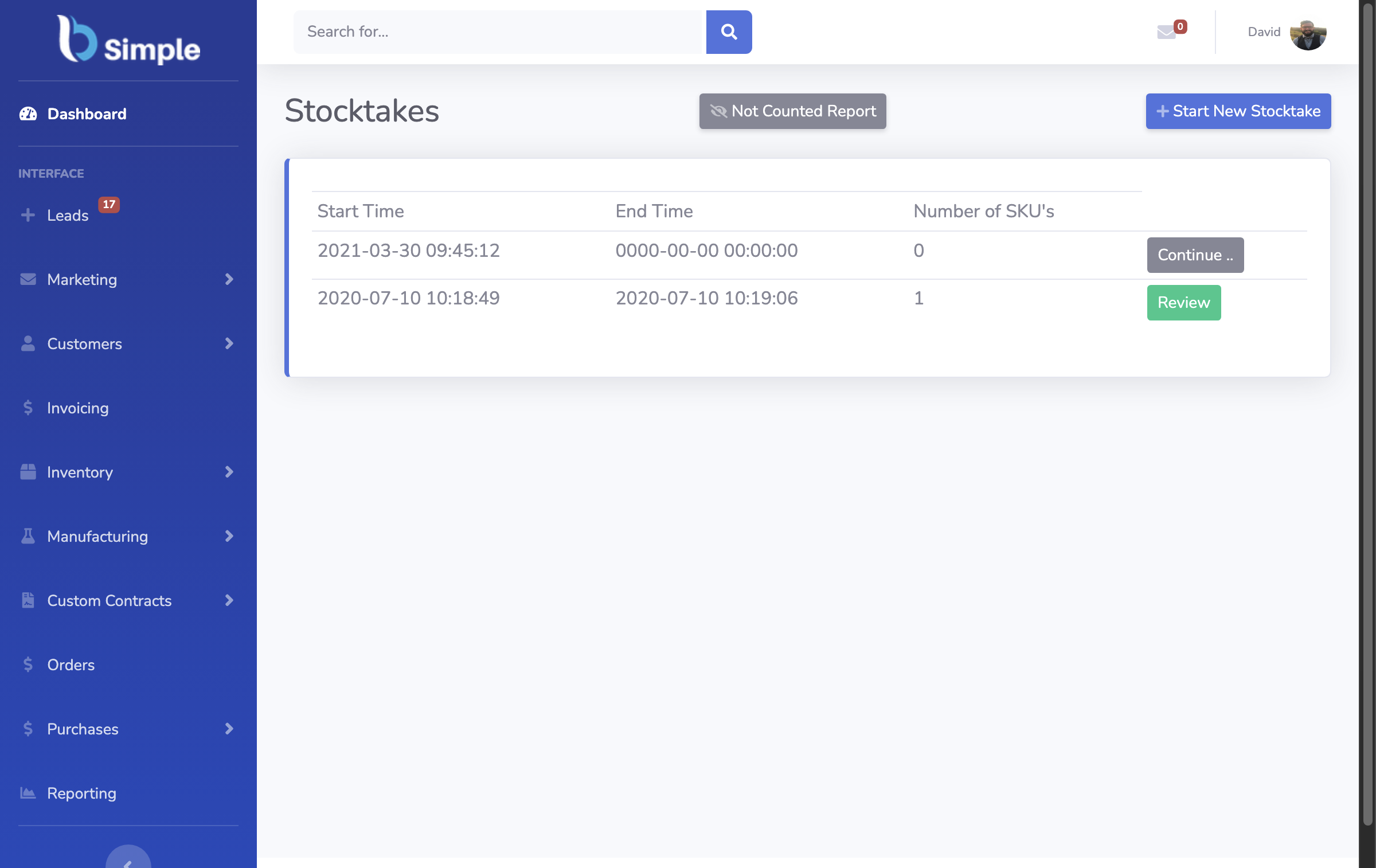
  • Comprehensive stocktake management with cycle counting capabilities for efficient EOFY reporting
  • Customer ordering portal providing real-time stock availability for informed purchasing decisions


Welcome to our practical guide on what is stock management system — see also our Order Management System for the full picture of how inventory and orders work together seamlessly. A stock management system is essentially the backbone of any wholesale, manufacturing, or distribution business that wants to stay on top of their inventory without constantly chasing spreadsheets or losing sleep over stockouts. At its core, it’s software that tracks what you have, where you have it, and how much it’s costing you to store it all.

Think of it this way: whether you’re a Sydney coffee roaster managing bean inventory across multiple locations, a Melbourne brewery tracking kegs and ingredients, or an Australian manufacturer juggling raw materials and finished goods, you need visibility. A proper stock management system gives you exactly that—real-time insight into your inventory levels, automated alerts when stock runs low, and the ability to make decisions based on actual data rather than guesswork.

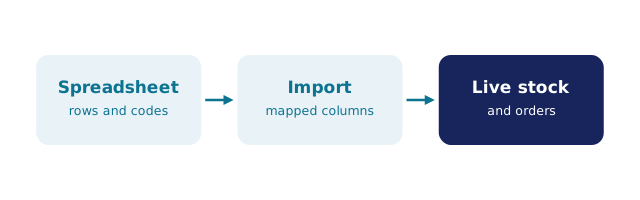
The beauty of modern stock management systems is that they integrate with your existing business tools. If you’re using Xero for accounting (and most Australian SMBs are), a system like BSimple connects directly to it, meaning your inventory data flows seamlessly into your financial records. No double-entry, no reconciliation headaches, no EOFY stocktake nightmares that drag on for weeks.

What makes a stock management system truly valuable isn’t just tracking inventory—it’s the automation and intelligence it brings to your business. Automated purchase order generation, just-in-time inventory management, negative inventory tracking to catch overselling before it happens, and comprehensive stocktake management all work together to streamline operations and free up your team to focus on growth rather than admin.

Understanding Stock Management System Fundamentals

Understanding how a stock management system actually works in practice is crucial before implementing one in your business. At the most fundamental level, these systems maintain a centralised database of all your stock items, their quantities, locations, and cost values. Every time inventory moves—whether it’s received from a supplier, picked for an order, or transferred between warehouses—the system updates in real time. This means your team always knows what’s available, eliminating the frustration of promising stock you don’t actually have or discovering you’re out of critical items during a busy period.

For Australian wholesale and distribution businesses, this real-time visibility is genuinely transformative. Imagine running a manufacturing operation where you need to coordinate raw materials arriving from multiple suppliers, manage work-in-progress stock across production lines, and track finished goods ready for dispatch. Without a proper system, you’re managing this chaos manually—checking spreadsheets, sending emails to confirm stock levels, and inevitably making mistakes. A stock management system automates all of this, providing instant answers to questions like: How many units of product X do we have in stock? When will we run out? What’s our reorder point? Which orders can we fulfil today?

The system also tracks stock movements with complete accuracy, creating an audit trail that’s invaluable for GST compliance and financial reporting. When you integrate with Xero, your inventory valuations automatically flow into your balance sheet, making end-of-year accounting significantly easier. The inventory management system becomes the single source of truth for your business—no more conflicting numbers between your warehouse count and your accounting records.

Another critical function is demand forecasting and reorder point management. Rather than manually calculating when to reorder, the system can automatically generate purchase orders based on your sales velocity, supplier lead times, and safety stock levels. This prevents both stockouts (which lose you sales and disappoint customers) and overstock situations (which tie up cash and storage space unnecessarily).

Real-World Benefits For Australian Businesses

The real-world benefits of implementing a stock management system become apparent almost immediately, particularly for Australian businesses operating on tight margins. Let’s talk about cost savings first. When you have accurate inventory data, you stop buying unnecessary stock. You reduce wastage because you can implement FIFO (first-in, first-out) tracking and identify slow-moving items before they expire or become obsolete. You also eliminate the expensive problem of emergency ordering when you run out unexpectedly—no more paying premium prices for rush deliveries because your manual tracking failed you.

Time savings are equally significant. Your team spends less time on manual stocktakes, physical counts, and reconciliation work. Instead of your warehouse manager spending days physically counting stock at EOFY, a modern system with continuous cycle counting means stocktakes become straightforward verification exercises rather than massive disruptions. For a busy Melbourne brewery or Sydney coffee roaster, this means your team can focus on customer service, quality control, and business development rather than administrative drudgery.

Customer satisfaction improves dramatically when you have accurate stock visibility. Your sales team can confidently tell customers exactly when they can receive their order. Your customer ordering portal can show real-time stock availability, allowing customers to make informed purchasing decisions and reducing back-and-forth communication about delivery dates. For wholesale businesses, this reliability builds trust and strengthens customer relationships—customers know they can depend on you to deliver when promised.

There’s also the cash flow benefit. By optimising inventory levels through just-in-time management, you’re not tying up excessive capital in stock sitting in your warehouse. You can negotiate better terms with suppliers when you have accurate demand forecasting. You can identify and liquidate slow-moving stock before it becomes a complete loss. All of this directly improves your working capital position—money that can be reinvested in growth rather than sitting idle in inventory.

Choosing The Right System For Your Operation

Choosing the right stock management system for your Australian business requires understanding what features actually matter for your specific operation. Not all systems are created equal, and what works for a large enterprise won’t necessarily work for a nimble manufacturing SMB. The most important consideration is integration capability. If you’re already using Xero (and statistically, you probably are), you want a system that connects seamlessly with it. This isn’t just convenient—it’s essential for maintaining accurate financial records and avoiding the nightmare of manual reconciliation.

Look for systems that handle the specific complexities of your business model. If you’re in manufacturing, you need bill of materials (BOM) tracking and production scheduling capabilities. If you’re wholesale, you need robust multi-location inventory management and customer ordering portals. If you’re distribution, you need efficient picking, packing, and dispatch workflows. A good inventory management system should support negative inventory tracking (so you catch overselling immediately), automated purchase order generation (so reordering becomes hands-off), and comprehensive reporting (so you can actually understand what’s happening in your business).

The system should be accessible and user-friendly for your team. If your warehouse staff finds it clunky and difficult, they’ll work around it—defeating the entire purpose. Cloud-based systems are particularly valuable for Australian businesses because they provide access from anywhere, whether your team is in the office, warehouse, or out on the road meeting customers. Mobile functionality is increasingly important, allowing staff to scan barcodes, receive stock, and pick orders directly from their phones or tablets.

Implementation and support matter significantly. The best system in the world won’t help if your team doesn’t know how to use it properly. Look for providers who offer comprehensive onboarding, training, and ongoing support. For Australian businesses, local support is valuable—time zone alignment means you’re not waiting until the next day for help when something goes wrong. Consider starting with a pilot implementation in one location or department, proving the value before rolling out company-wide. This reduces risk and gives your team time to adapt to new workflows.

Frequently Asked Questions

What’s the difference between stock management and inventory management?

Stock management focuses on physical inventory tracking and control, while inventory management is broader—encompassing stock management plus demand forecasting, supplier relationships, and financial valuation. They’re closely related and often used interchangeably in modern systems.

How does stock management system integration with Xero help Australian businesses?

Integration eliminates manual data entry, ensures inventory valuations automatically update your Xero accounting records, simplifies EOFY reporting, and maintains GST compliance accuracy. Your financial and inventory data stays perfectly synchronised without reconciliation headaches.

Can a stock management system prevent overselling and stockouts?

Yes. Real-time inventory visibility, negative inventory tracking, and automated reorder point management all work together to prevent both overselling (through accurate availability data) and stockouts (through timely purchase order generation based on demand forecasting).

What’s just-in-time inventory management and how does it save money?

Just-in-time means ordering inventory precisely when you need it, minimising storage costs and cash tied up in excess stock. A good system calculates optimal reorder points based on supplier lead times and sales velocity, reducing both carrying costs and the risk of obsolescence.

How does automated purchase order generation work?

The system monitors inventory levels continuously. When stock falls below your reorder point, it automatically generates a purchase order to your supplier based on predefined parameters like order quantity and preferred supplier. This eliminates manual reordering and ensures consistent replenishment.

Is a stock management system suitable for small Australian businesses?

Absolutely. Cloud-based systems are scalable and affordable for businesses of any size. Small manufacturers, wholesalers, and distributors benefit significantly from reduced manual work, better decision-making, and improved cash flow management.

What happens during EOFY stocktake with a modern system?

Rather than counting everything from scratch, you use cycle counting throughout the year. At EOFY, you verify the system’s records through targeted counts of high-value or high-movement items, making the process faster and less disruptive than traditional stocktakes.