
Guide / food stock on a budget
Free restaurant inventory software, honestly assessed
Kitchens run on perishables, recipes and counts that cannot wait for month end. Here is what free tools cover, where they stop, and what the paid side should include.
The short answer
- A spreadsheet can track a small kitchen's stock — until expiry, recipes and daily counts outgrow careful maintenance.
- "Free" restaurant software is usually a free trial or a record-limited tier, often wired to a POS upsell.
- The food-specific requirements: use-by and batch tracking, recipes that consume stock, and counts fast enough to be daily.
- BSimple is not free — from $180/month (AUD) with a free trial — and includes batch expiry and recipes in the core.
- Context: the full inventory system holds the wider system, this page one stop in it.
- 01The short answer
- 02What a kitchen needs from stock software
- 03The free options, in order of realism
- 04Where BSimple fits
What a kitchen needs from stock software
Restaurants live with the shortest stock lifecycles in the business. Three requirements follow. Expiry and batches: every delivery of protein or produce is a lot with a use-by date, and the system should track it — not just a quantity, but which quantity. Recipes that consume: every dish sold consumes ingredient stock; without recipes tied to the record, theoretical stock and actual stock diverge nightly. Fast counts: kitchen counts happen daily or weekly, not annually, so counting must work from a phone on the fly.
Around those sits the ordinary machinery: purchase orders to food suppliers, goods receipts that update stock as crates land, and an accounting handoff so the bookkeeper is not re-keying invoices. A tool with the machinery but not the food specifics, or vice versa, will pinch either way.
The free options, in order of realism
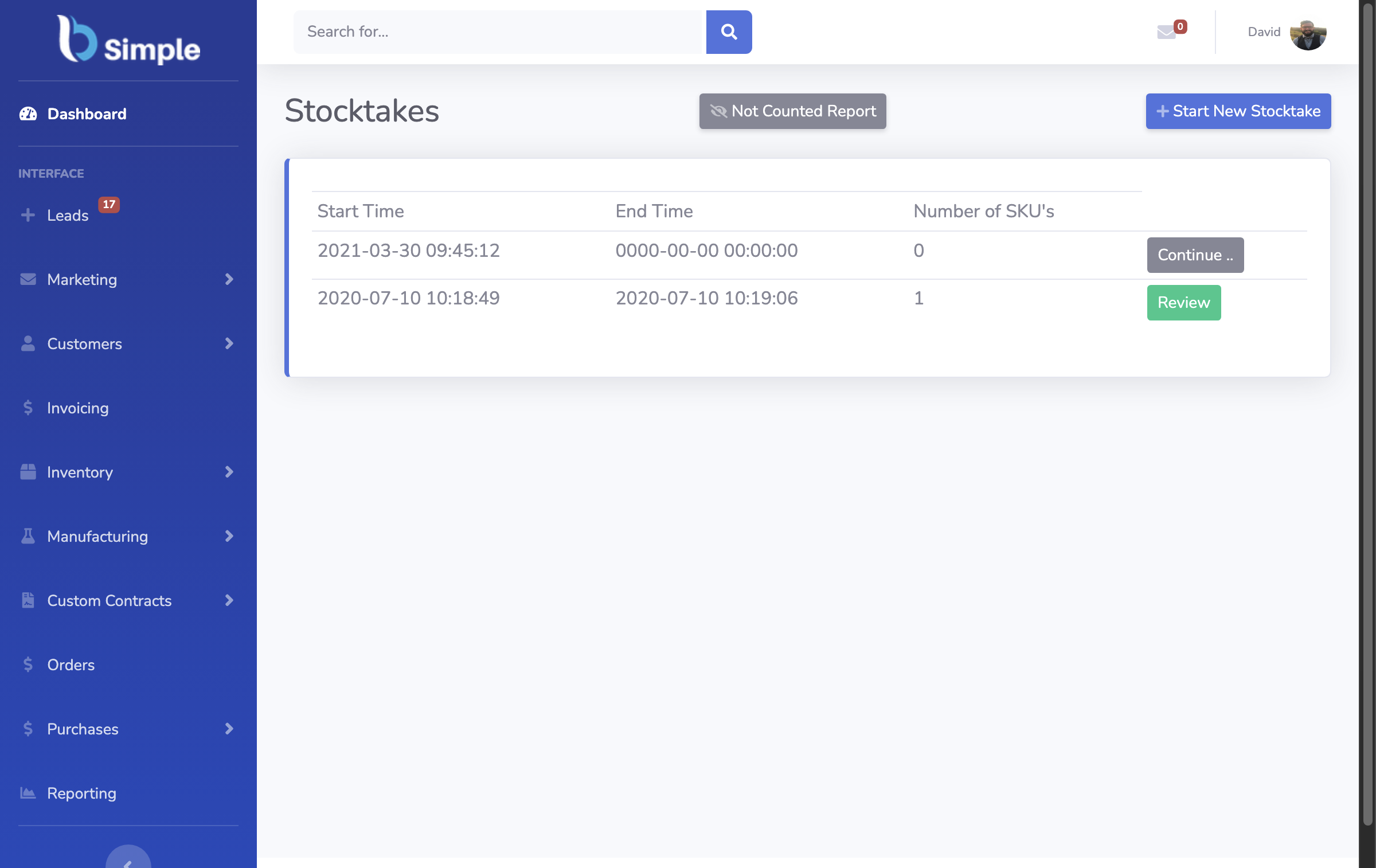
The spreadsheet is genuinely free and works for a modest menu's staples — until expiry tracking means extra columns, recipes mean a second sheet, and the daily count means the first sheet is stale by lunch. Free trials of real systems are the honest way to test structure: load a week's deliveries, run the counts, watch what breaks. POS-bundled "free" inventory is the trap to inspect: restaurants are sold POS first, with inventory features that cover the till, not the back door.
No free path includes the joined loop — suppliers, recipes consuming stock, expiry-traced batches, and accounting handed off. That loop is the paid product. The free stock management guide covers the crossover arithmetic; the restaurant inventory guide covers the workflow without the free-angle.
Where BSimple fits
We build BSimple, so weigh that — and be clear it is not free: plans run from $180/month (AUD) with a free trial. It is general business management software for product businesses, food included: batch and lot tracking with use-by dates and traceability search, recipes with multi-level bills of materials that consume ingredients as dishes or batches are made, purchase orders from demand, counts from any phone browser, and invoicing handed to Xero or MYOB.
The boundaries, plainly: BSimple is not a restaurant POS, not a reservations or table-management tool, and not designed for front-of-house. It is the back-of-house record — storeroom, suppliers, production. If front-of-house is the whole need, restaurant-specific platforms fit better; if the storeroom is the bleeding, the free trial is where to start.
Frequently Asked Questions
Is there a truly free restaurant inventory system?
A spreadsheet, genuinely. Software with batch expiry, recipe consumption and supplier purchasing is paid everywhere — free versions are trials or limited tiers. Be especially careful with POS-bundled free inventory: it usually counts what sold, not what arrived, spoiled or was prepped.
Does BSimple track use-by dates?
Yes — batch and lot tracking with expiry is core: each receipt can carry its dates, traceability search runs in both directions, and mass-balance reporting supports businesses under organic certification (ACO, NASAA and OFC are cited by existing customers). That depth matters as much for a kitchen as for a manufacturer.
Can recipes deduct ingredients automatically?
Yes — recipes with multi-level bills of materials consume component stock as production runs complete, with shortage checks before the run. In a restaurant context that maps to prepped goods and menu items: every unit produced draws down the ingredients it actually used.
What is the cheapest honest way to start?
Spreadsheet the staples if volumes are small, and trial real systems with real data before paying anyone. BSimple's trial is free; run a week of deliveries and counts through it. The trial, the spreadsheet phase or a paid plan are all honest answers — a free tier pretending to be an operating system is not.
BSimple