
Guide / BSimple
Inventory Management System Javascript for Wholesale with Local Support
Unlike legacy systems that require expensive installations and IT support, modern inventory management built on JavaScript frameworks offers flexibility, scalability, and the ability to integrate seamlessly with your …
- Real-time inventory visibility across multiple warehouse locations with instant stock level updates and automated allocation
- Seamless Xero integration synchronising inventory movements with accounting records for GST compliance and EOFY reporting
- Automated purchase order generation based on reorder points, sales velocity patterns, and supplier lead time data
- Customer ordering portal enabling self-service order placement, stock checking, and delivery tracking without staff intervention
- Mobile-responsive design allowing warehouse teams to process orders, perform stocktakes, and check inventory from smartphones and tablets
- Manufacturing-focused features including bill of materials tracking, negative inventory for committed orders, and production scheduling capabilities
- Sophisticated reporting and analytics identifying slow-moving stock, profitability by product line, and inventory turnover metrics
Building a robust inventory management system javascript solution is crucial for Australian wholesalers, manufacturers, and distributors who need real-time visibility into stock levels — see also our Inventory Management Software for the full picture on how modern cloud-based systems work together. If you're managing multiple warehouses, tracking hundreds of SKUs, and juggling customer orders alongside supplier purchases, a JavaScript-powered inventory system can transform how your business operates. Unlike legacy systems that require expensive installations and IT support, modern inventory management built on JavaScript frameworks offers flexibility, scalability, and the ability to integrate seamlessly with your existing tools. For Australian SMBs, this means you can access your inventory data from anywhere — whether you're checking stock levels from a Sydney warehouse, managing a Melbourne distribution centre, or reviewing orders from your home office. The beauty of JavaScript-based solutions is their responsiveness and real-time data synchronisation. When a customer places an order through your portal, the system instantly updates stock levels across all locations. This eliminates the frustration of overselling, double-booking inventory, or discovering stock discrepancies during EOFY stocktakes. For wholesale businesses dealing with high-volume transactions, this level of accuracy isn't just convenient — it's essential for maintaining customer relationships and managing cash flow effectively.
- 01Why JavaScript Powers Modern Inventory Management
- 02Real-Time Tracking Across Multiple Locations
- 03Seamless Xero Integration and Automated Ordering
- 04Scalability and Mobile Accessibility for Growing Businesses
Why JavaScript Powers Modern Inventory Management
JavaScript inventory management systems have revolutionised how Australian businesses handle stock control, particularly for those operating in wholesale, manufacturing, and distribution sectors. The technology provides speed and responsiveness that traditional desktop software simply cannot match. When you're running a busy operation — say, a Sydney coffee roaster fulfilling orders from café chains across New South Wales, or a Melbourne brewery managing ingredient inventory across multiple production lines — you need a system that keeps pace with your business velocity. A JavaScript-based platform delivers this through its event-driven architecture, which means changes happen instantly across your entire operation. One of the biggest advantages is the elimination of manual data entry errors. With automated inventory tracking, when stock moves in or out, the system updates automatically. This is particularly valuable during busy trading periods when your team is under pressure to process orders quickly. The integration capabilities are another game-changer. Most modern JavaScript inventory systems connect directly with accounting software like Xero, which means your inventory movements automatically sync with your financial records. This is critical for Australian businesses managing GST compliance and preparing for EOFY reporting. Rather than manually reconciling inventory records with accounting entries, everything flows seamlessly. For manufacturing businesses especially, JavaScript systems offer sophisticated features like bill of materials tracking, production scheduling, and raw material forecasting. You can see exactly how much stock you need to produce your finished goods, and the system alerts you when materials are running low.
Real-Time Tracking Across Multiple Locations
Real-time inventory tracking through JavaScript-powered systems addresses one of the most persistent pain points for Australian wholesalers and distributors — the inability to see accurate stock levels across multiple locations. Imagine running a distribution business with warehouses in Sydney, Melbourne, and Brisbane. Without a unified system, you might have three different spreadsheets, three different versions of the truth, and frustrated customers because you've oversold stock you thought you had. A JavaScript inventory management system creates a single source of truth. Every warehouse location feeds data into the central system, so when a customer places an order through your ordering portal, the system checks real-time availability across all locations and automatically allocates stock from the nearest warehouse. This reduces shipping times and costs significantly. The customer ordering portal functionality is particularly valuable for wholesale businesses. Your customers can log in, see what's in stock, place orders, and track deliveries — all without emailing or calling your team. This self-service capability reduces administrative burden on your staff while improving customer satisfaction. For manufacturing operations, negative inventory tracking is a game-changer. Some businesses operate with just-in-time inventory, where they manufacture to order rather than holding large stock buffers. JavaScript systems can track negative stock levels, showing you committed stock that's been ordered but not yet produced. This prevents double-booking and ensures realistic delivery promises. During stocktake periods — particularly important for Australian businesses managing EOFY compliance — the system streamlines the entire process. Rather than manually counting and entering data into spreadsheets, your team uses mobile devices to scan barcodes, and the system instantly compares physical counts to recorded levels, flagging discrepancies immediately.
Seamless Xero Integration and Automated Ordering
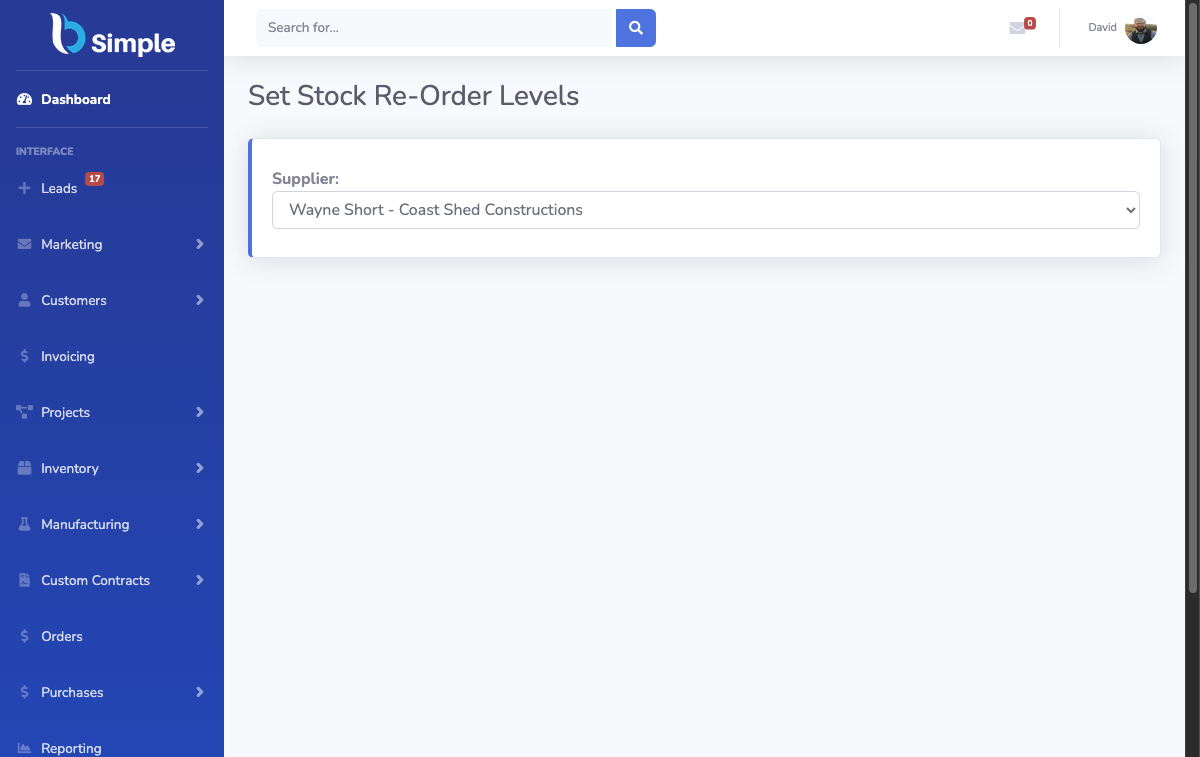
Integration with Xero represents a significant competitive advantage for Australian businesses using JavaScript inventory management systems. Rather than maintaining separate systems for inventory and accounting, everything connects seamlessly. When you sell stock, the inventory system automatically creates the corresponding invoice in Xero. When you receive goods from suppliers, the system updates both your inventory records and your accounts payable. This integration is particularly valuable for GST compliance — a critical consideration for Australian businesses. Your inventory movements are automatically tagged with the correct tax codes, making quarterly GST reporting straightforward. For businesses managing multiple customer POs and supplier orders, automated purchase order generation through JavaScript systems saves enormous amounts of time. When stock levels fall below your reorder point, the system can automatically generate a PO to your supplier, or at minimum, flag that reordering is needed. This prevents stockouts that could disrupt your production or disappoint customers. The system learns your ordering patterns and can even suggest optimal reorder quantities based on your historical sales velocity. For a Melbourne brewery managing ingredient inventory, this means the system knows exactly when to order hops, grain, and yeast based on your production schedule and historical usage patterns. Manufacturing businesses benefit from sophisticated production planning features. The system tracks raw materials, work-in-progress inventory, and finished goods separately, giving complete visibility into your production pipeline. You can see exactly where bottlenecks exist — whether materials are delayed, production is slow, or finished goods are accumulating. This data-driven visibility enables better decision-making around production scheduling and resource allocation. Many JavaScript inventory systems also include supplier management features, allowing you to maintain preferred supplier lists, track pricing histories, and manage lead times — all critical for optimising your procurement process.
Scalability and Mobile Accessibility for Growing Businesses
Scalability is one of the most compelling reasons Australian businesses choose JavaScript-based inventory management solutions. As your business grows — whether you're expanding from one warehouse to three, or increasing your product range from 500 SKUs to 5,000 — your system grows with you without requiring expensive upgrades or system migrations. Cloud-based JavaScript platforms handle this scaling automatically. You don't need to worry about server capacity or licensing costs increasing dramatically as you add users or data. The cost structure is predictable and scales with your business. Mobile accessibility is another critical advantage, particularly for businesses with field operations or multiple locations. Your team members can access inventory data, process orders, and perform stocktakes from anywhere using smartphones or tablets. A warehouse manager in Sydney can check stock levels in real-time, a sales representative visiting customer sites can confirm availability before quoting, and your procurement team can approve purchase orders from the office or remotely. For Australian businesses dealing with seasonal fluctuations — like wholesale distributors managing increased demand during peak trading periods — JavaScript systems provide the flexibility to handle volume spikes without system slowdowns. The reporting capabilities are sophisticated, offering insights into inventory turnover, slow-moving stock, and profitability by product line. You can identify which products are generating the best margins, which items are tying up excess capital, and which suppliers offer the best value. This intelligence drives better business decisions around product mix and pricing strategy. Customer support for Australian businesses is increasingly important, and reputable JavaScript inventory systems provide local support. Rather than dealing with overseas support teams unfamiliar with Australian business practices, GST requirements, or local compliance needs, you get support from people who understand your market and your challenges. For a closer look at how these capabilities fit together, our warehouse management software guide ties it all together, and the guide to java walks through the practical details.
Frequently Asked Questions
What makes JavaScript inventory systems better than traditional software?
JavaScript systems offer real-time updates, cloud accessibility from anywhere, automatic Xero integration, and lower IT maintenance costs. They're faster, more flexible, and scale with your business without expensive upgrades or licensing increases.
Can JavaScript inventory systems handle multiple warehouse locations?
Yes, absolutely. They maintain real-time stock visibility across all locations simultaneously, automatically allocate orders to nearest warehouses, and provide unified reporting. Perfect for Australian distributors with Sydney, Melbourne, and Brisbane operations.
How does Xero integration help with GST compliance?
Inventory movements automatically sync to Xero with correct tax codes applied, eliminating manual data entry errors. This streamlines EOFY reporting and ensures accurate GST calculations for quarterly compliance requirements.
Are JavaScript systems suitable for manufacturing businesses?
Yes. They track raw materials, work-in-progress, finished goods separately, manage bills of materials, support just-in-time inventory, and handle negative stock tracking for committed orders not yet produced.
What about mobile access for warehouse staff?
JavaScript systems provide full mobile functionality through responsive design. Warehouse teams can process orders, perform stocktakes with barcode scanning, and check inventory levels from smartphones and tablets on the warehouse floor.
How do automated PO features work?
The system monitors stock levels against reorder points, automatically generates purchase orders when thresholds are reached, learns your ordering patterns, and suggests optimal quantities based on historical sales velocity and supplier lead times.
Can the system prevent overselling and double-booking?
Yes. Real-time inventory tracking across all channels prevents overselling, while negative inventory tracking for manufacturing prevents double-booking of committed orders not yet produced, ensuring realistic delivery promises.
BSimple