
Guide / BSimple
Inventory Management System Java for Manufacturing
Java-based inventory management systems excel here because they're built on enterprise-grade architecture that can handle complex transactions, multi-location inventory tracking, and bill-of-materials management witho…
- Real-time inventory visibility across multiple warehouse locations with instant stock level updates
- Seamless Xero integration for automatic accounting entries and GST compliance tracking
- Automated purchase order generation when stock reaches customised reorder points
- Customer ordering portals enabling self-service stock checking and order placement
- Negative inventory tracking with immediate alerts for oversold items
- Mobile-enabled stocktake management for efficient EOFY inventory counts
- Just-in-time inventory optimisation reducing carrying costs and improving cash flow
If you're looking to streamline inventory management for your manufacturing or wholesale operation, understanding inventory management system java is essential—see also our Inventory Management Software for the full picture. Java-based inventory systems have become the backbone of modern supply chain operations across Australia, from Sydney coffee roasters managing seasonal stock to Melbourne breweries tracking fermentation batches and raw materials. These systems offer robust, scalable solutions that can handle complex inventory workflows without the bloat of enterprise software. For Australian SMBs, the real value lies in systems that integrate seamlessly with your existing tools—particularly Xero, which handles your accounting and GST compliance. A well-implemented Java inventory system gives you real-time visibility into stock levels, automates purchase order generation when stock hits reorder points, and tracks negative inventory scenarios that can otherwise slip through the cracks during busy periods. The beauty of Java-based solutions is their flexibility; they can be customised to match your specific business processes, whether you're managing multiple warehouses, handling just-in-time inventory, or conducting EOFY stocktakes. Rather than forcing your business into a rigid software box, modern Java inventory systems work the way you actually operate.
- 01Why Java Powers Modern Inventory Systems
- 02Wholesale Distribution and Inventory Optimisation
- 03Technical Architecture and Performance
- 04Integration and Real-World Implementation
Why Java Powers Modern Inventory Systems
Manufacturing businesses face unique inventory challenges that generic off-the-shelf solutions often miss. When you're managing component stock, work-in-progress inventory, and finished goods simultaneously, you need a system that understands manufacturing workflows. Java-based inventory management systems excel here because they're built on enterprise-grade architecture that can handle complex transactions, multi-location inventory tracking, and bill-of-materials management without slowing down. For Australian manufacturers, this means accurate stock forecasting for EOFY compliance, automated alerts when critical components run low, and the ability to track inventory across multiple production facilities. The advantage of Java is its stability and performance—it won't crash during your peak trading periods or when you're running year-end stocktakes. Integration with Xero means your inventory movements automatically sync with your financial records, eliminating manual data entry and reducing GST compliance headaches. Many Australian manufacturing businesses discover that once they implement a proper Java-based system, they recover the investment within months through reduced stock holding costs, fewer stockouts, and improved order fulfilment times. The system becomes your competitive advantage, allowing your team to focus on production rather than chasing inventory discrepancies. When you're dealing with hundreds or thousands of SKUs across multiple locations, having a reliable, fast inventory system isn't a luxury—it's essential for survival in competitive markets.
Wholesale Distribution and Inventory Optimisation
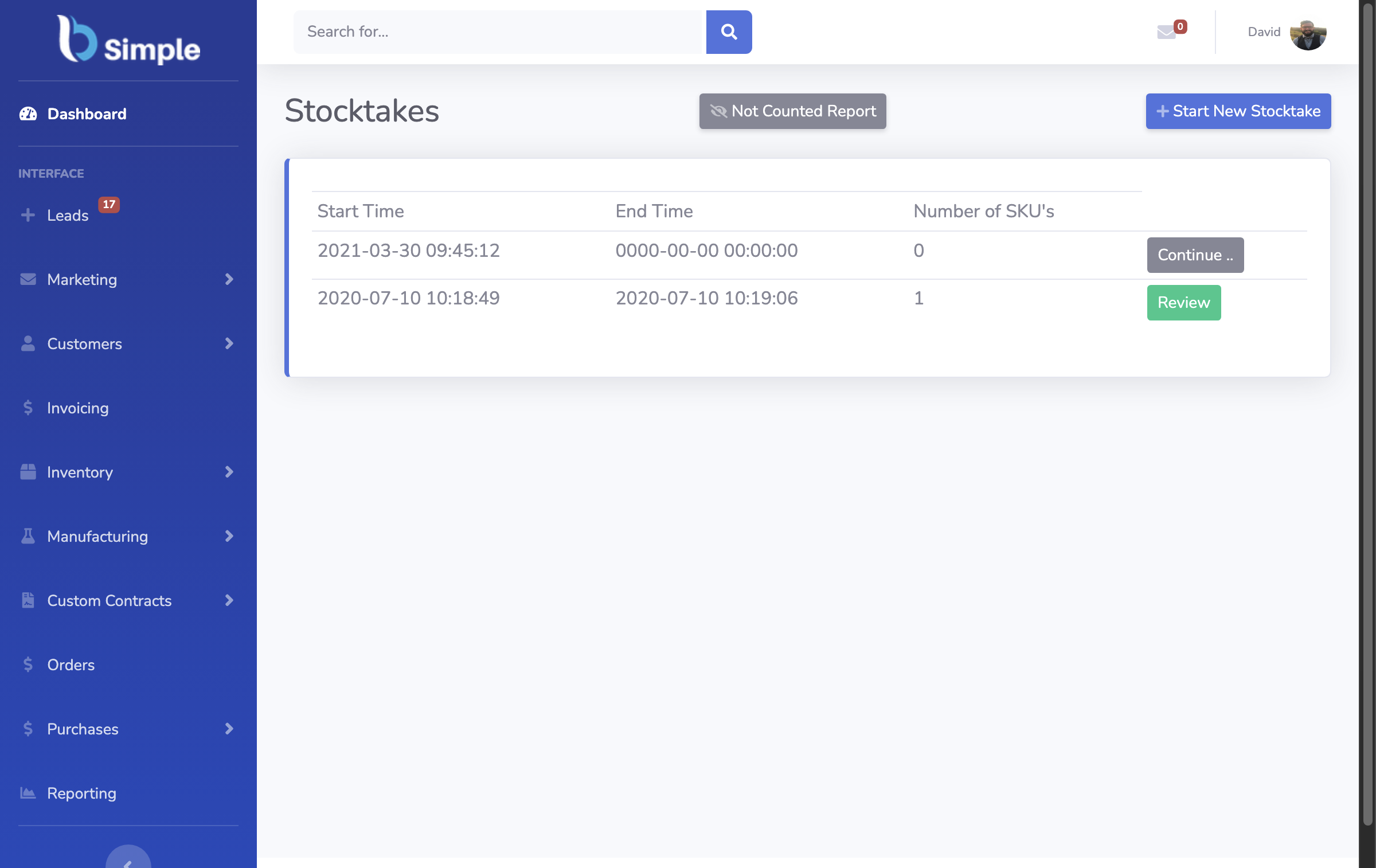
Wholesale and distribution businesses operate on razor-thin margins, which means inventory efficiency directly impacts profitability. An inventory management system java provides the precision you need to optimise stock levels, reduce carrying costs, and improve cash flow. Consider a typical Australian wholesale distributor managing stock across a central warehouse and regional depots. Without proper system support, you're vulnerable to overstocking slow-moving items whilst running out of fast-movers, tying up capital inefficiently. Java-based systems solve this through intelligent inventory analytics, demand forecasting, and automated reorder point calculations. The system learns your sales patterns and suggests optimal stock levels for each location, helping you maintain just-in-time inventory that maximises space and minimises waste. One of the most powerful features for wholesalers is customer ordering portals integrated directly into your inventory system. Your customers can check real-time stock availability, place orders, and track shipments without pestering your team. This reduces order processing time from hours to minutes, improving customer satisfaction whilst freeing your staff for higher-value activities. The cloud business management software approach means you're not locked into expensive on-premise infrastructure. You pay for what you use, scale as you grow, and access your inventory data from anywhere—critical when you're managing deliveries across multiple locations. For Australian wholesalers competing against larger national players, this technology levels the playing field.
Technical Architecture and Performance
The technical architecture of a Java inventory system matters more than most business owners realise. Java runs on the Java Virtual Machine (JVM), which means your inventory software works consistently across Windows, Mac, and Linux servers without modification. This cross-platform compatibility is invaluable for Australian businesses with mixed IT environments or those planning future migrations. Java applications also handle concurrency exceptionally well—multiple users can access inventory simultaneously without performance degradation, crucial when your warehouse team, sales staff, and management are all pulling data at the same time. The language's strong typing and comprehensive error-handling capabilities mean fewer bugs and data corruption issues compared to loosely-typed alternatives. Security is built into Java's DNA; it includes built-in protections against common vulnerabilities and integrates seamlessly with enterprise authentication systems like Active Directory. For compliance-conscious Australian businesses, this matters significantly. Your inventory data contains sensitive information about stock levels, customer orders, and supplier relationships. A Java-based system with proper security architecture protects that data whilst maintaining the audit trails GST and tax authorities expect. Performance-wise, Java applications scale beautifully. A system that handles 100 transactions per day can be upgraded to handle 10,000 without architectural changes, making it a genuinely future-proof investment. When you're evaluating cloud business management software options, understanding the underlying technology helps you choose systems that'll grow with your business rather than becoming bottlenecks.
Integration and Real-World Implementation
Implementation and integration represent the real-world challenges when deploying an inventory management system java in your business. The technical capabilities mean nothing if the system doesn't connect to your existing tools or requires months of painful data migration. Smart Australian businesses prioritise seamless Xero integration, which means inventory transactions automatically flow into your accounting records. When you receive stock, the system updates both your inventory count and your balance sheet. When you sell items, revenue and cost of goods sold entries post automatically. This eliminates manual journal entries, reduces accounting errors, and ensures your financial statements always reflect actual inventory positions. The integration extends to automated PO generation—when stock falls below your reorder point, the system can automatically create purchase orders and send them to suppliers, or flag them for approval depending on your preferences. For businesses conducting regular stocktakes, particularly critical during EOFY, a modern Java system streamlines the entire process. Rather than printing stock sheets and manually entering counts, your team uses mobile devices to scan barcodes, and the system instantly identifies discrepancies and suggests adjustments. Negative inventory tracking is another game-changer; the system alerts you immediately when you've oversold stock, allowing you to communicate with customers before they discover the problem. Training your team is straightforward because Java-based systems typically have intuitive interfaces that don't require IT expertise. Your warehouse staff can learn basic operations in hours, not weeks. The combination of robust technical architecture, seamless integrations, and practical usability makes Java-based inventory systems the smart choice for serious Australian manufacturers, wholesalers, and distributors who want systems that actually work. For a closer look at how these capabilities fit together, our warehouse management software guide ties it all together, and the guide to java walks through the practical details.
Frequently Asked Questions
What makes Java-based inventory systems better than spreadsheets?
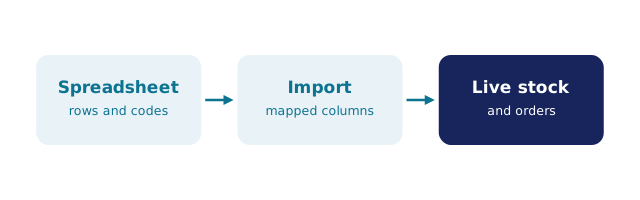
Java systems provide real-time accuracy, automated calculations, and instant alerts when stock runs low. Spreadsheets are prone to formula errors, version conflicts, and can't handle thousands of SKUs reliably. Java systems scale effortlessly as your business grows.
How does Xero integration improve inventory management?
Integration eliminates manual data entry between systems. Inventory movements automatically update your accounting records, ensuring financial statements match actual stock levels. This reduces errors and simplifies GST compliance during EOFY.
Can Java inventory systems handle multiple warehouse locations?
Yes, modern Java systems excel at multi-location inventory tracking. You can see stock across all facilities in real-time, transfer inventory between locations, and apply location-specific reorder points based on local demand patterns.
What's negative inventory tracking and why does it matter?
Negative inventory tracking alerts you when you've sold more stock than physically exists. This prevents overselling, allows you to communicate with customers proactively, and helps identify data entry errors or theft issues quickly.
How do customer ordering portals improve efficiency?
Customers check real-time stock availability and place orders directly without contacting your team. This reduces order processing time, improves accuracy, and frees your staff for more valuable tasks like relationship management and problem-solving.
Is Java inventory software suitable for small Australian businesses?
Absolutely. Cloud-based Java systems scale from small operations to large enterprises. You only pay for features you use, making them affordable for SMBs whilst providing room to grow without software changes.
How does just-in-time inventory reduce costs?
JIT systems maintain minimal stock levels by ordering exactly when needed. This reduces storage costs, minimises waste from obsolete inventory, and improves cash flow—critical for Australian wholesalers operating on tight margins.
BSimple