Best Order Management System For Small Business: What Actually Matters

Compare Best Order Management System For Small Business features, pricing, and integrations. Why Australian wholesalers and manufacturers choose BSimple for ...

Prefer to talk? Call 1300 980 598
  • Seamless Xero integration for automatic financial reconciliation and GST compliance
  • Real-time inventory tracking with negative inventory monitoring to prevent overselling
  • Automated purchase order generation based on reorder points and demand forecasting
  • Customer ordering portals showing live stock levels and order history visibility
  • Just-in-time inventory management reducing cash tied up in excess stock
  • Comprehensive stocktake management simplifying annual EOFY inventory counts
  • Real-time reporting and dashboards providing operational visibility and insights

Choosing the right order management system for your small business isn't just about ticking boxes on a feature list. It's about finding software that actually understands how your wholesale, manufacturing, or distribution operation works. Too many business owners end up with bloated systems designed for enterprise companies, complete with unnecessary complexity and sky-high costs that drain your budget without delivering real value. For a broader view of how these systems fit into your whole operation, our order management software guide and order management software for small business pages walk through exactly what to look for.

The best order management system for small business should solve your actual problems: tracking orders from customer to delivery, managing inventory without constantly overselling, automating repetitive tasks that waste your team's time, and integrating seamlessly with your existing accounting software. For Australian businesses especially, you need a system that handles GST compliance, supports local payment methods, and understands the unique demands of EOFY stocktakes. To compare the top contenders side by side, our best order management software for small business rundown is a great starting point, and if you're new to the concept, our what is order management software guide explains the fundamentals.

Think about a Sydney coffee roaster managing orders from multiple cafes across the city. They need to know exactly how much inventory they have, prevent overselling to customers, generate purchase orders to suppliers automatically, and reconcile everything with Xero at month-end. That's not a nice-to-have feature set—that's survival. A proper order management system should handle all of this without requiring a dedicated IT person or expensive consultants to set up. Modern inventory management has evolved to become genuinely accessible for small teams.

The reality is that many small businesses operate with spreadsheets, email chains, and crossed fingers. Orders get lost, inventory numbers don't match reality, and your accountant spends weeks reconciling discrepancies. An order management system worth its salt eliminates these friction points, giving you visibility across your entire operation and freeing your team to focus on growth rather than firefighting.

BSimple inventory management dashboard

Why Small Businesses Need Proper Order Management

When evaluating order management systems, most small business owners focus on the wrong criteria. They get distracted by flashy dashboards or trendy features when they should be asking: will this actually integrate with my Xero account? Can my customers place orders without calling me? Will it prevent me from accidentally overselling stock I don't have? These practical questions matter far more than marketing hype.

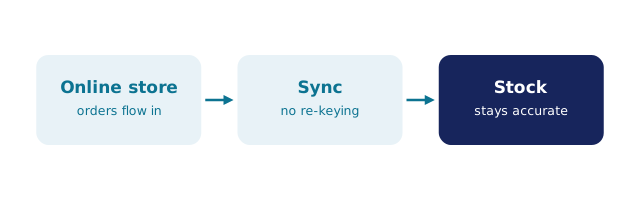
Integration capability is absolutely critical. Your order management system shouldn't exist in isolation—it needs to talk to your accounting software, your inventory records, and ideally your customer communication channels. If you're using Xero (and most Australian SMBs are), seamless Xero integration isn't optional, it's essential. You shouldn't need to manually enter data twice or spend hours reconciling records at month-end. Xero integration done properly means your financial records stay accurate automatically, your GST calculations are correct, and your accountant actually likes you.

Ease of use matters more than you might think. Your warehouse team, your office manager, and your owner need to use this system daily. If it requires extensive training or feels clunky to navigate, adoption will suffer. A Melbourne brewery we work with switched to a proper order management system and was amazed how quickly their staff adapted—because the interface made sense and solved real problems they faced every day.

Scalability is another consideration often overlooked by growing businesses. You might be a small operation now, but your order management system should grow with you. Can it handle double your current order volume? Can you add new product categories without breaking the system? Will it still perform well when you expand to new markets or add warehouse locations? The best systems for small business are actually designed to scale efficiently.

Talk to us

BSimple inventory control software

Essential Features That Transform Your Operations

One of the biggest pain points for wholesale and manufacturing businesses is inventory accuracy. You think you have 500 units of a product in stock, but when a customer orders 600, you're in trouble. Negative inventory tracking prevents this disaster by showing you exactly what you owe suppliers and what you've promised customers. This feature alone can transform how you operate, especially during busy periods when orders are flying in.

Automated purchase order generation is another game-changer that small business owners often underestimate. Instead of manually creating POs to suppliers based on inventory levels, your system should automatically generate them when stock falls below your reorder point. A manufacturing business in Brisbane told us this feature alone saved them three hours per week—time their operations manager now spends on strategic planning instead of administrative drudgery. Automated PO generation means you're never caught short on critical materials, and your suppliers appreciate the consistency.

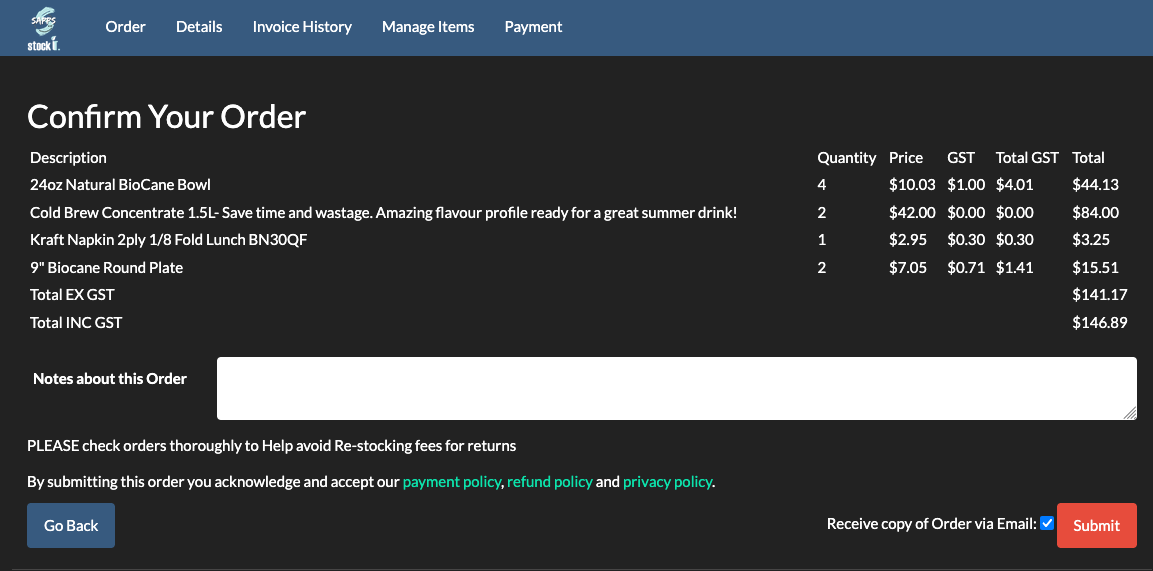
Customer ordering portals deserve special mention because they fundamentally change your business dynamics. Instead of managing orders through email, phone calls, and spreadsheets, your customers log in and place orders themselves. This reduces errors, speeds up processing, and gives customers visibility into their order status. A distributor in Sydney implemented this and saw order accuracy improve by 40% because customers could see real-time stock levels and confirm quantities before submitting.

Just-in-time inventory management is particularly valuable for businesses with limited storage space or high inventory carrying costs. Rather than stockpiling products, you order precisely what you need, when you need it. This requires reliable supplier relationships and accurate demand forecasting, but when executed properly, it dramatically improves cash flow. For small businesses operating on tight margins, this can be the difference between thriving and merely surviving.

Learn more

BSimple order management interface

Real-World Impact On Your Bottom Line

Stocktake management becomes genuinely manageable with the right order management system. Australian businesses face the annual challenge of EOFY stocktakes, and doing this with spreadsheets is a nightmare. A proper system lets you conduct cycle counts throughout the year, identify discrepancies before they become major problems, and generate accurate stock reports for your accountant without weeks of manual reconciliation.

The financial impact of poor order management is often hidden but substantial. When you're overselling inventory, you damage customer relationships and incur rush delivery costs. When you're carrying excessive stock, you're tying up cash that could fuel growth. When orders are processed manually, data entry errors create accounting headaches. A solid order management system addresses all these cost drains simultaneously. Stocktake management features in modern systems make the annual inventory count something your team can actually complete without pulling all-nighters.

For Australian distributors and wholesalers, GST compliance is non-negotiable. Your order management system should automatically calculate GST on sales, track it properly for your BAS reporting, and integrate seamlessly with Xero so your accountant has clean records. This isn't a luxury feature—it's fundamental to operating legally and keeping the ATO happy. A manufacturing business in Melbourne avoided a compliance audit issue entirely because their system automatically tracked GST correctly across all transactions.

Real-time reporting and visibility matter more as your business grows. You should be able to see which products are moving fastest, which customers are your most valuable, and where bottlenecks exist in your fulfillment process. This intelligence drives better business decisions. Rather than guessing about inventory levels or customer trends, you're working from actual data. For small business owners wearing multiple hats, this visibility is invaluable for strategic planning and identifying growth opportunities.

Register for a free trial

BSimple purchase order workflow

Frequently Asked Questions

What's the difference between order management and inventory management?

Order management focuses on processing customer orders from placement through delivery, while inventory management tracks stock levels and movements. The best systems integrate both seamlessly so orders automatically update inventory, preventing overselling and maintaining accurate records simultaneously.

Do I really need order management software or can I use spreadsheets?

Spreadsheets work initially but create serious problems as you grow: data entry errors, inventory mismatches, manual reconciliation nightmares, and zero visibility into operations. Most businesses find spreadsheets become unworkable once they exceed 50+ orders monthly, making proper software essential.

How important is Xero integration for small business?

Critical. Xero integration eliminates manual data entry, ensures accurate financial records, automates GST calculations, and saves your accountant hours during EOFY. Without it, you're creating extra work and increasing error risk significantly, especially for compliance purposes.

Can order management systems prevent overselling?

Yes, through real-time inventory tracking and negative inventory monitoring. The system shows available stock before confirming orders, and alerts you when stock runs low. Some systems even generate automatic purchase orders to prevent shortages, though this requires supplier integration.

What should I look for in customer ordering portals?

Look for portals that show real-time stock levels, allow customers to check order history and status, support bulk ordering, and integrate with your main system so orders flow directly into your fulfillment process without manual entry.

How does just-in-time inventory work for small businesses?

Just-in-time means ordering exactly what you need when you need it, minimising storage costs and cash tied up in inventory. It requires reliable suppliers, accurate demand forecasting, and an order management system that alerts you when stock hits reorder points automatically.

Why is negative inventory tracking important?

Negative inventory tracking shows you what you've promised customers but haven't yet received from suppliers. This prevents overselling, helps you manage customer expectations, and identifies when you need expedited orders or alternative products to fulfil commitments.